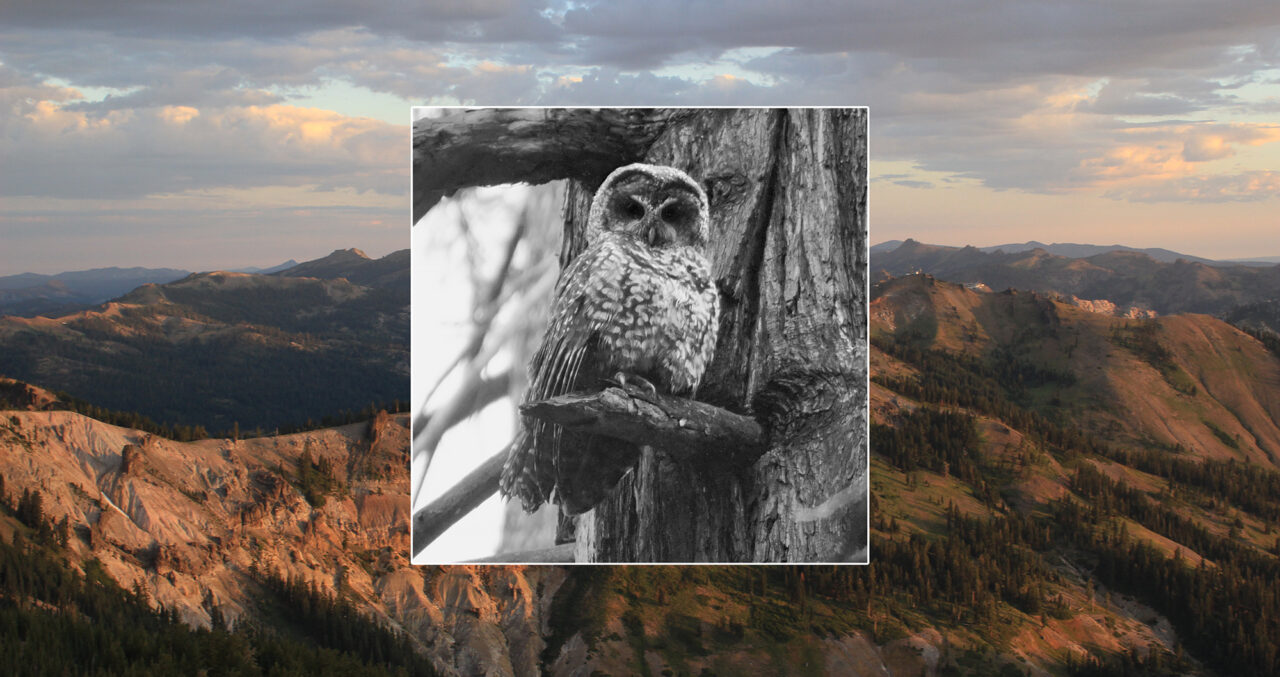
The spotted owl, a creature of quiet majesty and ecological significance, has long been a symbol of the fragile balance between human expansion and wilderness preservation. Museums, those bastions of knowledge and cultural curation, hold a unique power to illuminate the plight of this elusive bird, transforming abstract conservation narratives into visceral, unforgettable experiences. Beyond mere repositories of artifacts, museums can become dynamic platforms for advocacy, education, and emotional connection—bridging the chasm between scientific data and public empathy. This article explores how museums can harness their multifaceted resources to elevate the spotted owl from a footnote in biodiversity reports to a rallying cry for environmental justice.
The Power of Visual Storytelling: Exhibits That Captivate and Educate
Visual storytelling is the heartbeat of museum engagement, and when wielded with intention, it can transcend language barriers to evoke empathy. Imagine stepping into a dimly lit gallery where the air hums with the haunting calls of spotted owls, their voices woven into an immersive soundscape. High-resolution photographs, such as those capturing the owl’s piercing gaze or the intricate patterns of its feathers, can be displayed alongside interactive touchscreens that reveal the owl’s nocturnal habits. But why stop at static images? Augmented reality (AR) can allow visitors to “see” the owl in its natural habitat, its wings unfurling in slow motion as it glides through ancient forests.
Museums can also employ dioramas—those three-dimensional windows into other worlds—to transport visitors into the owl’s ecosystem. A meticulously crafted diorama might depict the dense canopy of a Pacific Northwest forest, where the owl perches on a moss-covered branch, its talons gripping the bark with quiet precision. Lighting can be used to simulate the dappled sunlight of dawn or the eerie glow of moonlight, reinforcing the owl’s role as a creature of twilight. By blending artistry with accuracy, these exhibits can make the invisible visible, turning a species once relegated to the margins of public consciousness into a focal point of wonder and concern.

Interactive Learning: Engaging Audiences Through Participation
Static displays are no longer enough to hold the attention of modern audiences. Museums must embrace interactivity to foster deeper connections with their subjects. Interactive kiosks can challenge visitors to match owl calls to their corresponding species, testing their auditory acuity while teaching them about the acoustic diversity of these birds. Gamification, too, has a place in conservation education. A quiz might ask participants to navigate the owl’s habitat, avoiding threats like deforestation or invasive species, to reach a safe nesting site. The stakes? A virtual egg hatching successfully, symbolizing the owl’s survival.
Workshops led by ornithologists or Indigenous knowledge keepers can offer hands-on experiences, such as building nest boxes for spotted owls or learning to track their movements using radio telemetry. These sessions demystify the science behind conservation while empowering visitors to become active participants in the owl’s protection. For younger audiences, storytelling sessions can weave Indigenous legends of the owl—often revered as a messenger or guardian—into narratives that highlight the bird’s cultural significance. By making learning tactile and participatory, museums can cultivate a generation of stewards rather than passive observers.
Digital Frontiers: Online Exhibits and Virtual Engagement
The digital realm offers museums an unprecedented opportunity to reach global audiences, democratizing access to knowledge about the spotted owl. Virtual exhibits can feature 360-degree tours of owl habitats, complete with embedded videos of researchers at work. Online collections can showcase historical artifacts, such as early 20th-century field notes or vintage photographs, juxtaposed with contemporary data to illustrate the owl’s decline over time. Social media campaigns can leverage short-form video content—think slow-motion footage of an owl in flight or time-lapse sequences of forest regeneration—to spark curiosity and shareability.
Podcasts and webinars can delve into the complexities of spotted owl conservation, featuring voices from diverse perspectives: scientists, Indigenous leaders, loggers, and policymakers. These platforms can humanize the issue, revealing the tensions between economic development and ecological preservation. For example, a podcast episode might explore how the owl’s habitat overlaps with timber-dependent communities, fostering empathy for those whose livelihoods are intertwined with the forest. By embracing digital storytelling, museums can extend their reach far beyond their physical walls, engaging audiences who may never set foot in a gallery but still care deeply about the owl’s fate.
Community Collaboration: Museums as Hubs for Advocacy
Museums are not islands; they are nodes in a vast network of communities, institutions, and individuals. By forging partnerships with local schools, environmental organizations, and Indigenous groups, museums can amplify their impact. A traveling exhibit, for instance, might tour rural towns where spotted owls are known to reside, accompanied by bilingual educational materials that honor both scientific and traditional ecological knowledge. Pop-up events in farmers’ markets or libraries can offer bite-sized lessons on owl conservation, using props like owl pellets or feather samples to spark conversation.
Museums can also host forums where stakeholders debate the future of owl habitats, from logging practices to climate change mitigation. These events can model civil discourse, ensuring that all voices—even those with conflicting interests—are heard. By positioning themselves as neutral yet passionate facilitators, museums can help bridge divides and foster collective action. Imagine a town hall where a logger and an ecologist sit side by side, their differences softened by a shared reverence for the owl’s role in the ecosystem. Such moments can plant the seeds of compromise and collaboration.
Art as Activism: Creative Campaigns for Conservation
Art has the power to move people in ways that data alone cannot. Museums can commission artists to create installations that challenge perceptions of the spotted owl, transforming it from a passive subject into a symbol of resistance. A sculpture might depict an owl with wings outstretched, its feathers woven from recycled materials to symbolize resilience. A mural could cover an entire gallery wall, blending scientific illustrations with abstract patterns to evoke the owl’s mystique. Temporary exhibits can feature works by Indigenous artists, whose cultural ties to the owl infuse the space with spiritual and historical depth.
Performance art, too, can leave a lasting impression. A dance piece might interpret the owl’s flight as a metaphor for freedom and fragility, while a theater production could dramatize the owl’s struggle against habitat loss. These creative endeavors can be paired with call-to-action elements, such as postcards for visitors to send to legislators or pledges to support conservation organizations. By merging art with activism, museums can transform passive observation into active participation, turning the act of viewing into a catalyst for change.
Educational Outreach: Inspiring the Next Generation of Conservationists
The future of the spotted owl depends on the actions of today’s youth, and museums are uniquely positioned to nurture their curiosity and sense of responsibility. School programs can align with curriculum standards, offering lessons on biodiversity, ecosystems, and human impact. A field trip might include a guided hike to observe owl habitats, followed by a classroom activity where students design their own conservation plans. For older students, internships or volunteer programs can provide hands-on experience in wildlife monitoring or habitat restoration.
Educational kits can be distributed to teachers, packed with lesson plans, activity sheets, and even live owl cams to stream into classrooms. These resources can be tailored to different age groups, ensuring that even the youngest learners can grasp the importance of the spotted owl. By investing in youth education, museums can cultivate a lifelong commitment to environmental stewardship, ensuring that the owl’s story is not just heard but carried forward by future generations.