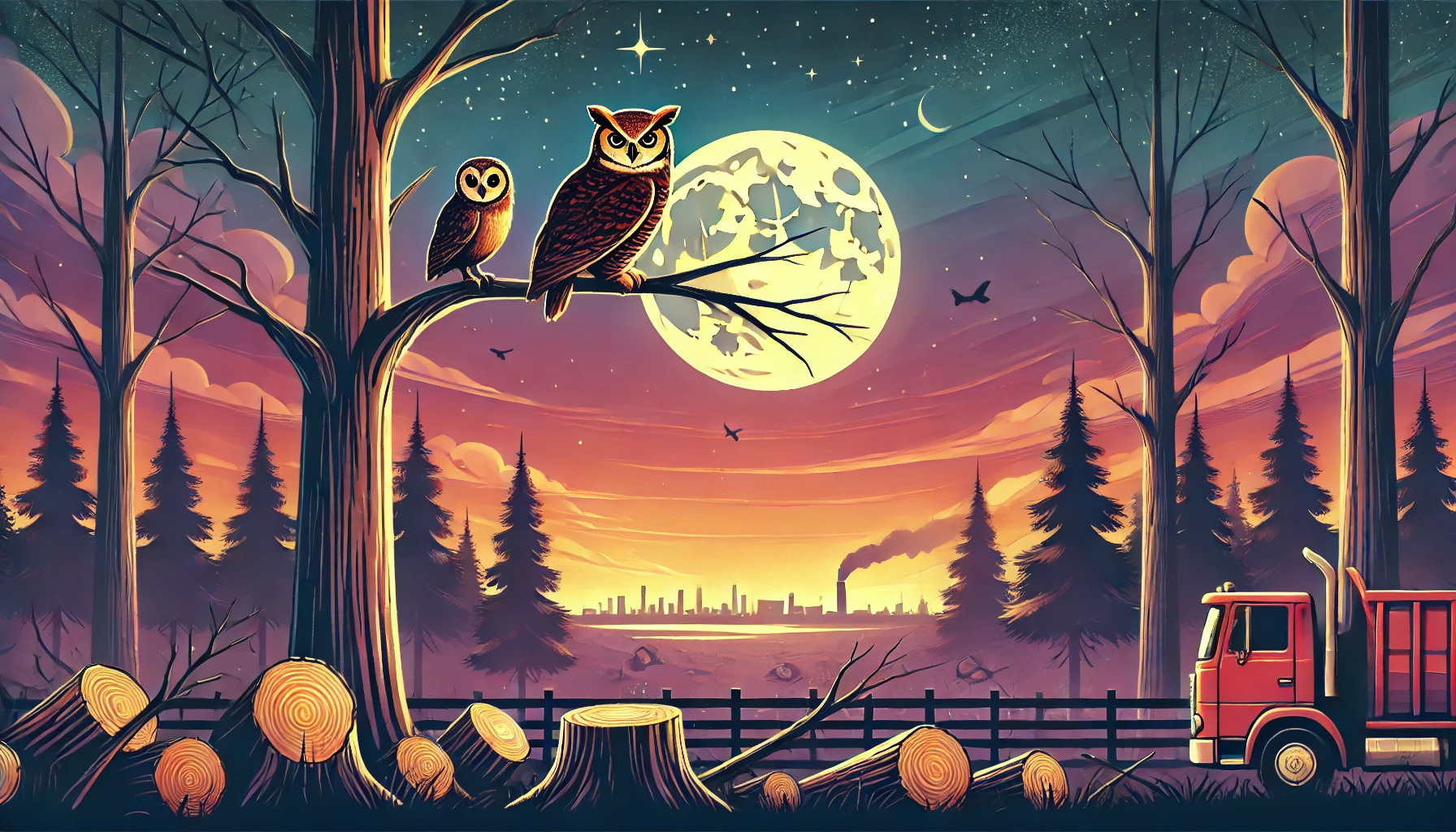
The spotted owl, with its piercing amber eyes and mottled plumage, is more than just a bird—it is a living emblem of the ancient forests it calls home. Yet, this enigmatic creature faces silent extinction, its habitat shrinking beneath the weight of human progress. To rally communities around its cause is not merely an act of conservation; it is a defiant assertion that the wild must persist, that the whispers of the old-growth woods deserve to be heard above the din of chainsaws and bulldozers. Organizing a spotted owl awareness campaign is not just about saving a species; it is about reclaiming our collective responsibility to the earth’s vanishing wonders.
The Lure of the Elusive: Why the Spotted Owl Captivates Us
There is something inherently mesmerizing about the spotted owl—a creature that thrives in the shadows, its presence felt more than seen. Unlike the bold eagle or the boisterous hawk, the spotted owl moves with a ghostly grace, its silent flight a metaphor for the fragility of the ecosystems it inhabits. This elusiveness is not mere shyness; it is a survival tactic, a testament to millennia of adaptation in a world increasingly hostile to its kind. The owl’s fascination lies not in its grandeur but in its quiet resilience, a reminder that even the most unassuming beings hold stories of endurance worth preserving.
Yet, this fascination is often superficial, reduced to the owl’s photogenic allure or its symbolic role in environmental lore. The deeper truth is that the spotted owl is a harbinger—a living barometer of the health of our forests. Its decline is not an isolated tragedy but a symptom of systemic neglect, where short-term profit eclipses the long-term vitality of the land. To campaign for the spotted owl is to confront the uncomfortable reality that our own survival is intertwined with its fate.
Mapping the Battlefield: Identifying the Threats
The spotted owl’s habitat is not just a patch of trees; it is a cathedral of biodiversity, where ancient Douglas firs and ponderosa pines stand as silent sentinels over a web of life. The primary threat to this sanctuary is industrial logging, which carves through old-growth forests with ruthless efficiency, leaving behind fragmented landscapes where the owl cannot thrive. But the assault is not solely physical. Climate change, with its shifting weather patterns and intensifying wildfires, further constricts the owl’s range, turning once-hospitable territories into inhospitable wastelands.
Urban sprawl and agricultural expansion compound these pressures, encroaching upon the owl’s remaining strongholds. Even well-intentioned conservation efforts can falter if they fail to address the root causes of habitat destruction—corporate greed, policy loopholes, and a cultural disconnect from the natural world. A successful campaign must therefore be as multifaceted as the threats themselves, weaving together scientific rigor, legal advocacy, and grassroots mobilization to create a bulwark against oblivion.
Building the Coalition: Who Holds the Power to Act
No single voice can save the spotted owl. The campaign must be a chorus, uniting Indigenous communities who have stewarded these lands for generations, scientists who study the owl’s ecology, and local residents who bear witness to its decline. Environmental NGOs, with their resources and networks, can amplify the message, while artists and storytellers can evoke the owl’s plight in ways that statistics never could. Even businesses with a stake in sustainable forestry can be allies, proving that economic viability and ecological integrity are not mutually exclusive.
The key is to identify the decision-makers—the logging companies with permits to clear-cut, the policymakers who shape land-use laws, and the investors who fund these operations. By targeting these nodes of power, the campaign can disrupt the status quo, forcing a reckoning with the true cost of exploitation. This is not about vilification but about accountability, recognizing that the fate of the spotted owl is a litmus test for our collective conscience.
Crafting the Narrative: Stories That Stir the Soul
A campaign without a story is a campaign without a heartbeat. The spotted owl’s tale is one of ancient forests and disappearing shadows, but it is also a human story—of loggers who once worked in harmony with the land, of children who have never heard the owl’s call, of communities torn between survival and stewardship. By framing the owl’s struggle as part of a larger narrative of loss and renewal, the campaign can transcend mere advocacy and become a movement for cultural transformation.
Visual storytelling is particularly potent. A photograph of an owl perched in a dying tree, its feathers ruffled by the wind, can evoke more emotion than a thousand policy papers. Short documentaries, social media campaigns, and public art installations can make the owl’s plight visceral, turning abstract data into tangible outrage. The goal is to make the audience feel the owl’s absence before they ever see its silhouette in the dusk.
Mobilizing the Masses: From Awareness to Action
Awareness is the spark, but action is the wildfire. To translate concern into change, the campaign must offer clear pathways for involvement—petitions to sign, rallies to attend, and boycotts to support. Letter-writing campaigns can flood the inboxes of legislators, while community clean-ups can restore degraded habitats. Even something as simple as planting native trees in urban spaces can symbolize a commitment to the owl’s future.
The most powerful tool, however, is the power of numbers. A single protest might be ignored, but a thousand voices, raised in unison, cannot be silenced. Town halls, teach-ins, and art exhibitions can draw diverse crowds, each bringing their own perspective to the fight. The challenge is to keep the momentum alive, to ensure that the owl’s story does not fade into the background once the initial outrage subsides.
The Long Game: Sustaining the Fight for the Spotted Owl
Conservation is not a sprint; it is a marathon. The spotted owl’s survival will require decades of relentless pressure, legal battles, and ecological restoration. The campaign must therefore be built to last, with clear milestones and long-term goals. This means investing in youth engagement, ensuring that the next generation inherits not just the problem but the tools to solve it. It means forging alliances with scientists who can monitor owl populations, with land trusts that can protect critical habitats, and with policymakers who can enshrine protections into law.
It also means confronting the deeper cultural shift required to truly save the spotted owl. This is not just about saving a bird; it is about redefining our relationship with the natural world. It is about recognizing that old-growth forests are not resources to be exploited but living entities deserving of reverence. The spotted owl is not just a symbol; it is a teacher, reminding us that the wild is not a backdrop to human life but the very foundation of it.
The fight for the spotted owl is a fight for the soul of the planet. Every campaign, every protest, every restored acre is a defiant stand against the creeping erasure of the wild. The owl’s fate is not yet sealed—but neither is ours. The choice is ours to make: to let the shadows swallow the last of the spotted owls, or to rise, together, and reclaim the night.