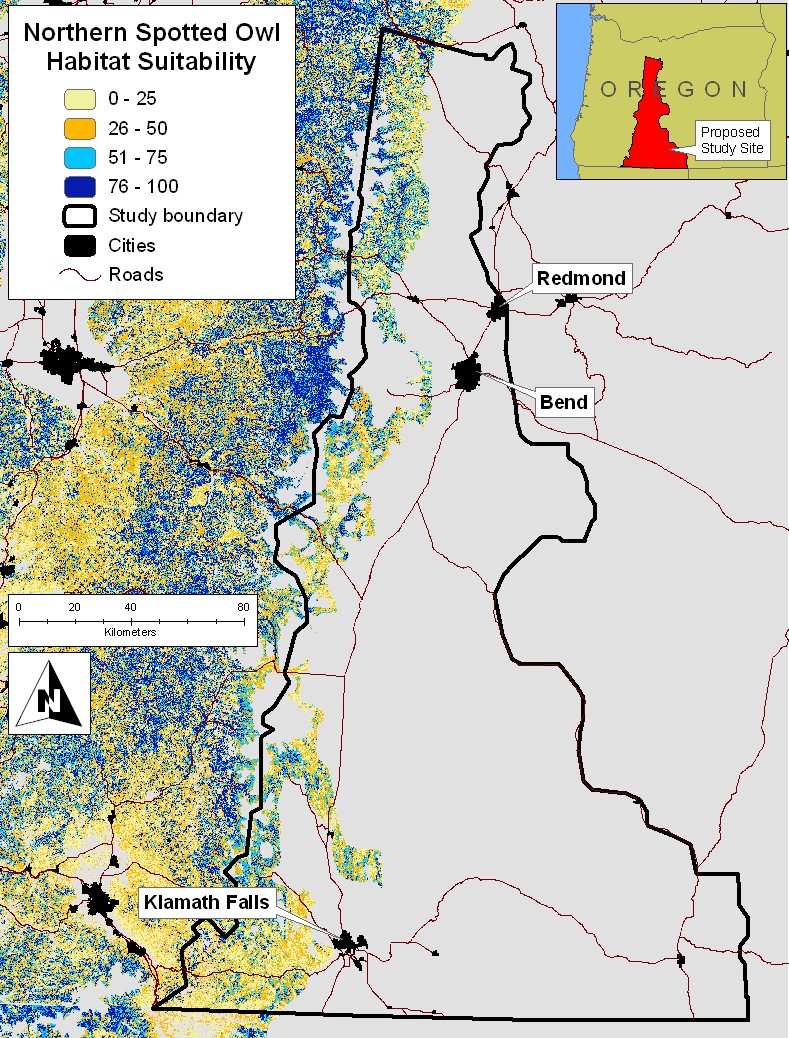
The spotted owl, a creature of quiet forests and ancient canopies, has become an unlikely symbol in the fraught battle over land use policies. Its haunting call echoes through the debates of conservationists, loggers, and policymakers, each group interpreting its presence as a sign of nature’s resilience or humanity’s encroachment. Yet beneath the surface of this emblematic bird lies a complex web of ecological necessity, economic pressure, and political compromise. The impact of land use policies on spotted owl habitat protection is not merely a matter of environmental regulation—it is a litmus test for how society values wilderness in an era of relentless development.
The Illusion of Balance: How Land Use Policies Fail the Spotted Owl
At first glance, land use policies appear as a delicate balancing act, a middle path between conservation and exploitation. But this illusion crumbles under scrutiny. The spotted owl, a species uniquely adapted to old-growth forests, finds itself caught in a paradox: policies designed to protect it often arrive too late, their protections rendered meaningless by decades of unchecked logging and habitat fragmentation. The Northern Spotted Owl, in particular, has been a flashpoint in the Pacific Northwest, where its survival hinges on the preservation of ecosystems that have existed for centuries. Yet, even as policies like the Northwest Forest Plan were implemented to safeguard these forests, their enforcement has been inconsistent, allowing industrial interests to chip away at critical habitats under the guise of “sustainable” management.
This failure is not accidental. It is the result of a systemic prioritization of short-term economic gains over long-term ecological stability. Logging companies, with their deep political ties, have long argued that restrictions on old-growth harvesting would cripple rural economies. The truth, however, is far more insidious: the decline of the spotted owl is not just an environmental crisis but a symptom of a broader cultural myopia that treats nature as a resource to be extracted rather than a living system to be revered.
The Ghosts of Forests Past: Historical Land Use and Its Lingering Shadows
To understand the present, we must confront the past. The history of land use in the Pacific Northwest is a story of relentless extraction, where forests were reduced to commodities and ecosystems were treated as disposable. The spotted owl’s plight is inextricably linked to this legacy. By the time the owl’s habitat became a focal point for conservation, vast tracts of old-growth forest had already been clear-cut, leaving behind a patchwork of fragmented habitats that could no longer support viable populations. The owl, once a symbol of untouched wilderness, became a victim of the very policies that were supposed to protect it.
This historical amnesia is deliberate. Policymakers and industry leaders have often downplayed the cumulative impact of past decisions, framing the spotted owl’s decline as an inevitable consequence of natural change rather than a direct result of human action. Yet the evidence is undeniable: the owl’s habitat loss correlates directly with the expansion of logging roads, the conversion of forests into plantations, and the relentless pursuit of profit at the expense of biodiversity. The ghosts of these decisions linger in the silent groves where the owl once thrived, their absence a stark reminder of what was lost.
The Political Alchemy of Policy: How Compromise Dilutes Protection
Land use policies are not crafted in a vacuum; they are the product of political negotiation, where competing interests vie for dominance. The spotted owl’s protection has been repeatedly diluted by this alchemy of compromise, where conservation goals are watered down to appease industry lobbyists and political expediency. The Northwest Forest Plan, for instance, was hailed as a landmark achievement when it was introduced in 1994, setting aside millions of acres for owl habitat. Yet, within years, loopholes and exemptions eroded its effectiveness, allowing logging to continue under the guise of “ecosystem management.”
This pattern is not unique to the spotted owl. It is a recurring theme in environmental policy, where the language of sustainability is co-opted to justify further exploitation. The result is a system where protections exist on paper but are rendered meaningless in practice. The spotted owl, once a rallying cry for conservationists, has become a cautionary tale about the limits of policy when faced with entrenched economic interests. The question is no longer whether we can save the owl, but whether we are willing to confront the deeper failures of a system that prioritizes profit over preservation.
The Invisible Hand of Climate Change: An Unseen Threat to Habitat
While land use policies have directly contributed to the spotted owl’s decline, an even more insidious threat looms on the horizon: climate change. The owl’s habitat is not just threatened by logging and development; it is also vulnerable to the cascading effects of a warming planet. Rising temperatures, prolonged droughts, and increased wildfire intensity are transforming the forests the owl depends on into inhospitable landscapes. The owl, a species adapted to cool, moist old-growth forests, finds itself increasingly out of place in a world where its home is being reshaped by forces beyond its control.
This is the cruel irony of the spotted owl’s predicament: even as policies struggle to protect its habitat, the very ecosystems it relies on are being dismantled by a changing climate. The owl’s decline is not just a story of human greed; it is a story of nature’s fragility in the face of global upheaval. Policymakers, however, have been slow to acknowledge this reality, treating climate change as a distant threat rather than an immediate crisis. The result is a double bind: the owl is caught between the failures of past land use policies and the accelerating impacts of a warming world.
The Silent Majority: What the Spotted Owl’s Decline Reveals About Our Values
The spotted owl is more than a species in decline; it is a mirror held up to society, reflecting our priorities, our contradictions, and our failures. Its story is one of quiet resilience in the face of relentless pressure, a testament to nature’s ability to endure even when pushed to the brink. Yet it is also a story of human shortsightedness, where the pursuit of immediate gain has come at the cost of irreplaceable ecological wealth. The owl’s plight forces us to confront a fundamental question: what do we value more—the forests that sustain us or the industries that exploit them?
This question is not just about the spotted owl. It is about the future of old-growth forests, the integrity of biodiversity, and the very notion of sustainability. The owl’s decline is a warning, a sign that our relationship with the natural world is fundamentally broken. To heal it, we must move beyond the hollow rhetoric of balance and compromise. We must recognize that the spotted owl is not just a symbol but a living, breathing reminder of what we stand to lose if we continue to treat the Earth as a resource rather than a home.
The time for half-measures is over. The spotted owl’s fate is a test of our collective will to do better—to craft policies that are not just reactive but visionary, not just protective but restorative. The forests of the Pacific Northwest still hold echoes of the owl’s call. Whether those echoes grow fainter or louder depends on the choices we make today.