The night descends like a velvet shroud over the ancient forests, where the silent sentinels of the sky—owls—perch upon gnarled branches, their golden eyes piercing the darkness with unblinking vigilance. These creatures, draped in feathers of dusk and dawn, are not merely predators; they are the living embodiment of ecological balance, the unseen architects of a world where prey and predator dance in an eternal waltz. Yet, beneath the canopy of their nocturnal dominion, a storm brews—one that threatens to unravel the very fabric of their existence. The Migratory Bird Treaty Act (MBTA), a cornerstone of avian conservation, stands at a precipice, its legacy now tangled in the claws of political expediency and corporate greed. To understand the impact of this act on owl conservation policies is to peer into a mirror that reflects not just the fate of these enigmatic birds, but the soul of humanity’s relationship with the natural world.
The MBTA: A Beacon of Hope or a Relic of the Past?
The Migratory Bird Treaty Act, enacted in 1918, was a revolutionary pact—a promise between nations to safeguard the feathered wanderers that traverse borders with the seasons. It was born from the ashes of extinction, a response to the wanton slaughter of birds for fashion, sport, and sheer cruelty. For decades, it stood as an unassailable bulwark, its provisions shielding over 1,000 species from harm, including the great horned owl, whose haunting calls echo through the twilight like a lament for lost wilderness. But in the 21st century, the act has become a battleground. Industry lobbyists whisper in the ears of policymakers, arguing that the MBTA’s strict liability standards stifle progress. They claim that unintentional harm—oil spills, wind turbines, or habitat destruction—should not be criminalized. Yet, where does one draw the line between progress and plunder? The owl does not distinguish between intentional and collateral damage; it only knows hunger, and the silence that follows when its world is erased.
The Silent Slaughter: How Policy Gaps Endanger Owls
Consider the plight of the barred owl, a species whose range has expanded northward, encroaching upon the territories of the endangered spotted owl. The MBTA’s protections are clear—no harm shall come to these birds—but enforcement is a different beast entirely. When logging companies raze old-growth forests, when wind farms rise like metallic forests in migratory paths, when pesticides seep into the soil and poison the rodents owls depend on, the act’s loopholes become chasms. The U.S. Fish and Wildlife Service, once a steadfast guardian, now wavers under political pressure. The result? A slow, creeping decimation of owl populations, their numbers dwindling not with a bang, but with the quiet rustle of falling leaves. The barred owl, once a symbol of adaptability, now faces the irony of being both a survivor and a victim of a system that claims to protect.
The Corporate Cloak: How Industry Exploits Legal Ambiguity
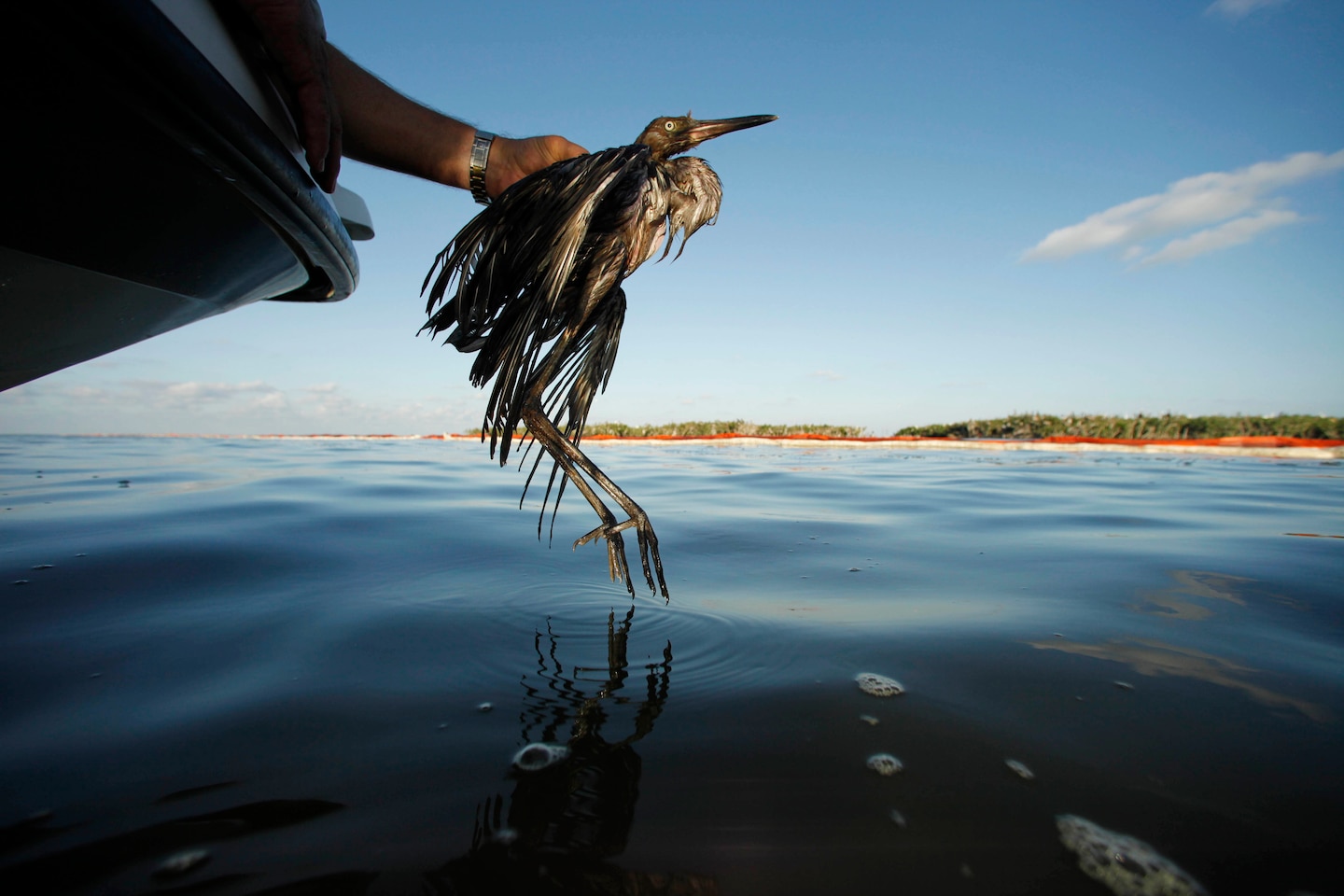
Corporations, those titans of industry, have long viewed the natural world as a resource to be extracted, not a heritage to be cherished. The MBTA’s reinterpretations under recent administrations have given them a cloak of legitimacy. Oil companies, energy conglomerates, and agribusinesses now operate under the delusion that “incidental take”—the unintended but inevitable harm to migratory birds—is a cost of doing business. Wind energy, hailed as a beacon of sustainability, has become a silent killer, its turbines slicing through the night skies where owls hunt. The irony is bitter: a sector that claims to fight climate change is accelerating the demise of creatures that have thrived for millennia. The MBTA, once a shield, now resembles a sieve, its protections leaking like oil from a ruptured tanker.
The Owl’s Dilemma: Adaptation or Extinction?
Owls are survivors. They have endured ice ages, deforestation, and the encroachment of human civilization. Yet, their resilience is not infinite. The barred owl, for instance, has expanded its range into the Pacific Northwest, displacing its spotted cousin. But displacement is not salvation. As forests shrink and prey grows scarce, even the most adaptable species face collapse. The MBTA’s weakening emboldens those who see the natural world as a commodity, not a community. Without robust protections, owls—and the ecosystems they anchor—will be pushed to the brink. The question is no longer whether they can adapt, but whether humanity will allow them the space to do so.
Grassroots Guardians: The Rise of Citizen Science
Amid the gloom, a flicker of hope emerges from the grassroots. Citizen scientists, armed with binoculars and smartphones, are mapping owl territories, tracking their movements, and sounding the alarm when habitats are threatened. Organizations like the Owl Research Institute and local conservation groups have become the new sentinels, their work a testament to the power of collective action. These unsung heroes remind us that conservation is not the sole domain of governments or corporations—it is a duty shared by all who walk this Earth. Their data, their passion, their refusal to accept silence as the status quo, may yet tip the scales in favor of the owls.
The Path Forward: Reclaiming the MBTA’s Legacy
To save the owls is to save ourselves. The MBTA must be reclaimed, not as a relic, but as a living, breathing covenant between humanity and the wild. This means closing legal loopholes, enforcing strict liability, and holding industries accountable for the harm they cause. It means recognizing that progress without conscience is not progress at all. Conservation policies must evolve to reflect the interconnectedness of all life—where the fate of an owl is intertwined with the health of the forest, the purity of the air, and the stability of the climate. The MBTA’s original architects understood this. Do we?
The night is deep, and the owls are watching. Their golden eyes reflect not just the moonlight, but the choices we make in the daylight. Will we let them fade into memory, or will we rewrite the story of their survival? The ink is not yet dry. The branches still stand. The hunt goes on.