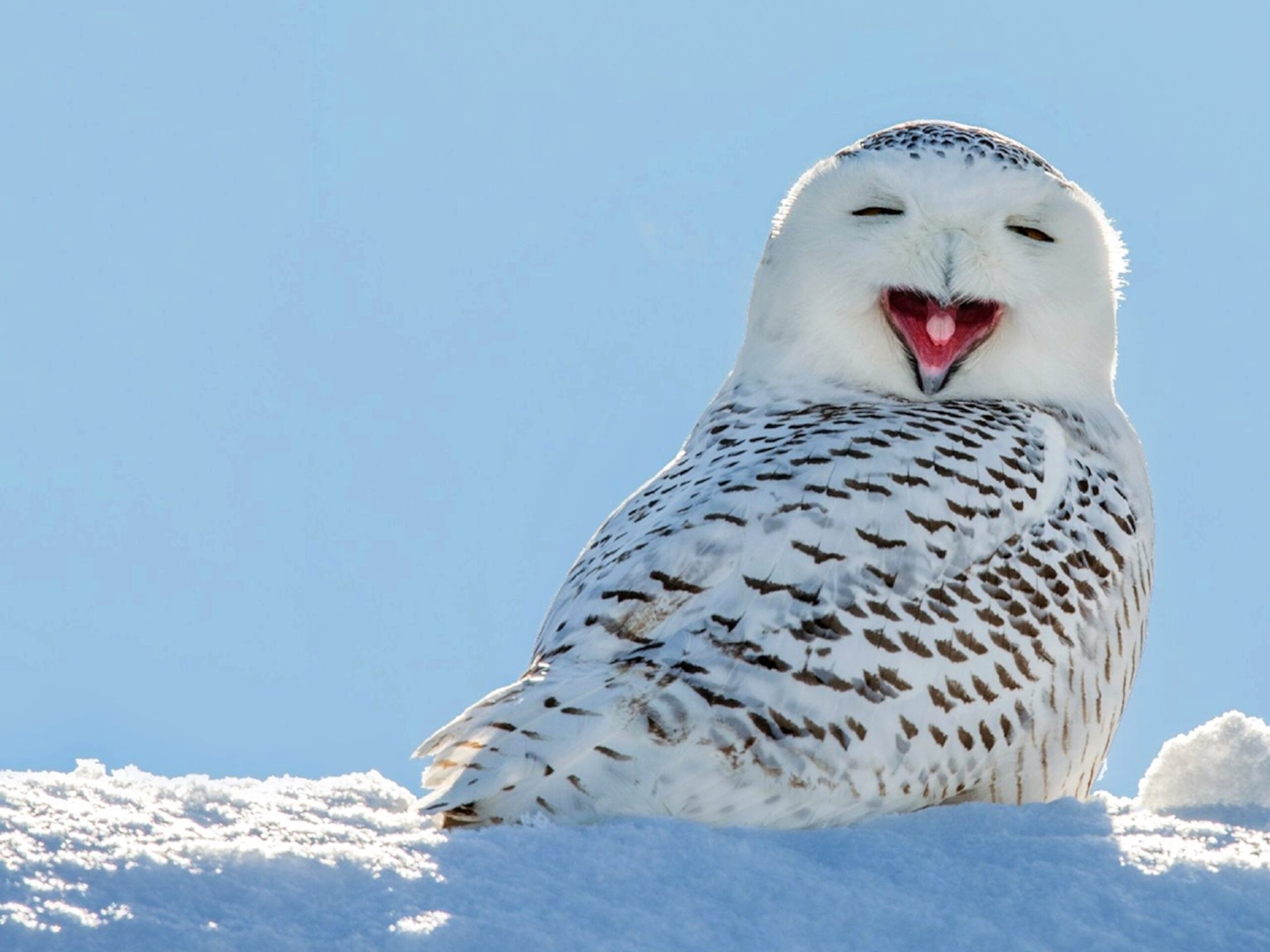
There is a peculiar magnetism to the snowy owl—a creature of stark contrasts, where the alabaster plumage of the female contrasts sharply with the dappled, charcoal-streaked feathers of the male. Museums, those bastions of curiosity and conservation, have long served as gateways to understanding such enigmatic species. They do more than merely display specimens; they weave narratives that illuminate the fragile intricacies of Arctic ecology. In doing so, they transform fleeting curiosity into enduring awareness, bridging the chasm between scientific fact and public fascination.
The Museum as a Portal: Transforming Specimens into Stories
When a visitor steps into a museum gallery and encounters a snowy owl perched in a diorama, it is not merely an encounter with a bird—it is an immersion into an ecosystem. Museums curate more than feathers and talons; they curate context. A well-designed exhibit doesn’t just show the owl in repose; it situates it within the vast, windswept tundra, where the ground thaws just enough to sustain lemmings, the owl’s primary prey. This spatial storytelling transforms abstract ecological concepts into visceral experiences. The owl’s piercing yellow eyes, frozen in a taxidermied gaze, seem to watch the viewer, a silent sentinel of the Arctic’s vanishing wilderness. Museums leverage this emotional resonance to foster empathy, making the invisible—like the impact of climate change on lemming populations—palpable.
Beyond the Display Case: Interactive Learning and Citizen Science
Modern museums are no longer static repositories of the past; they are dynamic hubs of engagement. Interactive touchscreens allow visitors to trace the snowy owl’s migratory routes across the circumpolar North, revealing how warming temperatures disrupt ancient patterns. Some institutions even partner with researchers to integrate citizen science initiatives, where visitors can log sightings of snowy owls in their regions, contributing to real-time data collection. This democratization of knowledge empowers individuals to become active participants in conservation. When a child uploads a photo of an owl spotted in their backyard, they are not just sharing an image—they are becoming a steward of Arctic ecology. Museums, in this way, evolve from passive educators to collaborative networks of environmental guardianship.
The Aesthetic and the Ethical: Balancing Beauty with Conservation Messaging
There is an undeniable allure to the snowy owl’s ethereal beauty, but museums must tread carefully between admiration and exploitation. The same striking plumage that captivates audiences has, in some cases, fueled demand for illegal wildlife trade. Museums address this paradox by coupling visual splendor with unflinching ethical discourse. Exhibits often highlight the owl’s role as an indicator species—its decline a harbinger of broader ecological collapse. By framing beauty within a narrative of vulnerability, museums cultivate a more nuanced appreciation. Visitors leave not just awestruck, but informed, understanding that the owl’s survival is inextricably linked to the health of the Arctic’s permafrost, sea ice, and microbial communities. This duality—celebrating and cautioning—ensures that wonder does not overshadow responsibility.
Cultural Narratives: Snowy Owls in Indigenous Knowledge and Global Mythology
The snowy owl is not merely a biological entity; it is a cultural touchstone. Museums increasingly recognize the importance of centering Indigenous perspectives in their exhibits. In Inuit traditions, the owl is a messenger between the living and the spirit world, a symbol of wisdom and foresight. By integrating these narratives, museums transcend the purely scientific, offering visitors a glimpse into the owl’s symbolic resonance across cultures. This approach fosters cross-cultural understanding while underscoring the owl’s ecological significance. A display that juxtaposes a taxidermied specimen with an Inuit carving or a Sámi chant does more than educate—it honors the deep, ancestral connections between humans and this Arctic icon.
The Climate Crisis in Focus: How Museums Frame Urgency Without Despair
Addressing climate change in museum exhibits is a delicate balance—one that museums navigate with increasing sophistication. A snowy owl exhibit might begin with its resplendent beauty, then pivot to the stark reality of habitat loss. Interactive elements could allow visitors to “experience” the shrinking of Arctic sea ice through augmented reality simulations. Yet, museums avoid the pitfall of ecological doomism by emphasizing solutions. They highlight conservation programs, policy initiatives, and community-led efforts to protect critical habitats. By framing the owl’s plight as a call to action rather than a tragedy, museums inspire hope. They remind visitors that while the Arctic’s future is uncertain, human agency—through policy, advocacy, and lifestyle changes—can still shape its outcome.
The Future of Museum Advocacy: Digital Expansion and Global Reach
The digital revolution has expanded museums’ reach far beyond their physical walls. Virtual exhibits, 360-degree tours, and online databases allow global audiences to engage with snowy owl ecology. A student in Jakarta can explore an Arctic diorama as vividly as a visitor in Oslo. Social media campaigns amplify these efforts, using viral challenges—like #SnowyOwlWatch—to engage younger demographics. Museums are also leveraging artificial intelligence to create personalized learning experiences, where visitors can “ask” a digital owl about its habitat. This technological democratization ensures that the snowy owl’s story is not confined to the privileged few who can visit a museum in person. It becomes a universal narrative, uniting diverse audiences in a shared mission of conservation.
Conclusion: The Owl as a Mirror of Our Relationship with Nature
The snowy owl, with its piercing gaze and silent wings, serves as a mirror reflecting humanity’s evolving relationship with the natural world. Museums, through their exhibits and programs, do not just inform—they transform. They turn passive observers into active participants, skeptics into advocates, and fleeting curiosity into lifelong stewardship. In the quiet hush of a gallery, where the owl’s feathers seem to shimmer under museum lights, lies a profound truth: the fate of the snowy owl is intertwined with our own. By elevating its story, museums remind us that every creature, no matter how remote, is a vital thread in the tapestry of life. And in that reminder lies the hope for a more conscious, compassionate future.