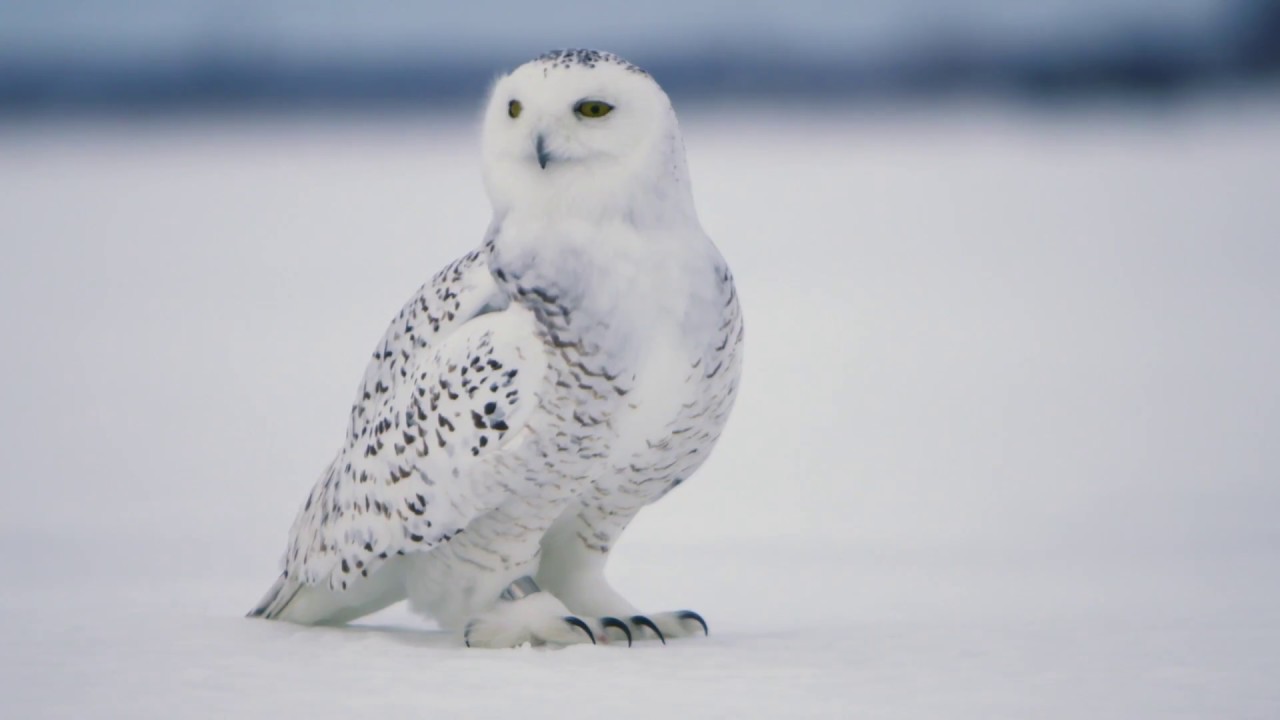
The Arctic, a vast and pristine wilderness, is under siege—not by the icy winds that sweep across its tundra, but by the insidious creep of pollution. This silent invader, often overlooked in favor of more dramatic environmental crises, is wreaking havoc on one of the Arctic’s most iconic inhabitants: the snowy owl. These majestic birds, with their piercing golden eyes and snowy plumage, are not just symbols of Arctic resilience; they are sentinels of an ecosystem teetering on the brink. Pollution, in its myriad forms, is infiltrating their habitat, altering their health, and threatening their very survival. From the mercury-laden waters they drink to the microplastics clogging their food chain, the snowy owl’s world is being poisoned. This is not just an ecological tragedy—it is a feminist issue. The degradation of the Arctic disproportionately affects women and marginalized communities who rely on these ecosystems for sustenance, cultural identity, and economic stability. The snowy owl, too, is a victim of a system that prioritizes exploitation over preservation. To understand the full scope of this crisis, we must examine the multifaceted ways pollution is reshaping the Arctic and, by extension, the fate of its most vulnerable inhabitants.
The Toxic Tides: How Industrial Pollution Poisons the Arctic Food Web
The Arctic may seem remote, untouched by the relentless march of industry, but its isolation is an illusion. Persistent organic pollutants (POPs), heavy metals, and industrial chemicals travel thousands of miles on atmospheric and oceanic currents, accumulating in the region’s fragile ecosystems. These toxins enter the food web at the microscopic level, where phytoplankton absorb them before being consumed by zooplankton, which are then eaten by fish, and ultimately, by the snowy owl. This process, known as biomagnification, concentrates pollutants to levels that can be thousands of times higher in top predators than in the environment itself. Mercury, a byproduct of coal combustion and industrial smelting, is particularly insidious. It disrupts the nervous system, impairing the owl’s ability to hunt, navigate, and reproduce. Studies have shown that even sublethal doses of mercury can lead to reduced clutch sizes, failed eggshell formation, and increased chick mortality. The owl’s role as a keystone predator means that its decline sends shockwaves through the entire Arctic food web, from lemmings to foxes to the indigenous communities that depend on these species for survival.
Plastic Fantastic? The Microplastic Menace in Arctic Ecosystems
Microplastics, those ubiquitous fragments of our disposable culture, have infiltrated every corner of the Arctic, from the depths of the ocean to the peaks of glaciers. These tiny particles, often invisible to the naked eye, are ingested by Arctic cod, a primary food source for snowy owls. The consequences are dire. Microplastics can cause physical blockages in the digestive tract, leading to starvation, or they can leach toxic additives like phthalates and bisphenol A (BPA), which disrupt endocrine function. For female snowy owls, this means hormonal imbalances that can result in reduced fertility, abnormal egg development, and increased susceptibility to disease. The irony is stark: an owl that once thrived in a pristine environment is now forced to navigate a landscape littered with the remnants of human excess. The feminist lens reveals a deeper truth here—the Arctic’s pollution crisis is not gender-neutral. Women, particularly Indigenous women, are often the first to bear the brunt of environmental degradation, as they are frequently responsible for gathering food and water. The snowy owl, too, is a harbinger of this injustice, its suffering a reflection of our collective failure to protect the most vulnerable.
Climate Change: The Amplifier of Arctic Pollution
Pollution and climate change are inextricably linked, each exacerbating the other in a vicious cycle that threatens the Arctic’s delicate balance. As temperatures rise, permafrost thaws, releasing long-sequestered pollutants like POPs and heavy metals into the environment. These toxins then re-enter the food web, compounding the damage already done by industrial emissions. For snowy owls, this means a double-edged sword: their habitat is shrinking as sea ice melts, and their food sources are becoming increasingly toxic. The timing of these changes is critical. Snowy owls rely on the seasonal abundance of lemmings, which are highly sensitive to environmental disruptions. When lemming populations crash due to pollution or climate-induced habitat loss, the owls face starvation. Female owls, already stressed by the demands of reproduction, are less likely to survive prolonged food shortages, leading to population declines. The feminist perspective underscores the intersectionality of this crisis. Indigenous women, who have stewarded these lands for generations, are witnessing the erosion of their traditional knowledge as the Arctic’s ecosystems unravel. The snowy owl’s plight is a microcosm of this broader struggle—a struggle for survival in a world that has prioritized short-term gain over long-term sustainability.
The Silent Scourge: Noise and Light Pollution in the Arctic Night
Pollution is not limited to chemicals and plastics; it also manifests in the form of noise and light, two often-overlooked disruptors of Arctic ecosystems. The Arctic night, once a sanctuary of silence and darkness, is now fractured by the hum of industrial machinery, the roar of ships, and the glare of artificial lights. For snowy owls, which rely on acute hearing and low-light vision to hunt, these disturbances are catastrophic. Noise pollution masks the subtle sounds of prey moving beneath the snow, forcing owls to expend more energy searching for food. Light pollution, meanwhile, disrupts their circadian rhythms, leading to disorientation and reduced reproductive success. The irony is palpable: in a region where the sun does not set for months, artificial light is stealing the very darkness that defines the Arctic’s ecological rhythms. This form of pollution is particularly insidious because it is invisible—until it is too late. The feminist lens reveals that women, who are often more attuned to the rhythms of nature, are disproportionately affected by these disruptions. The snowy owl, too, is a victim of a world that has lost its connection to the natural cycles that sustain life.
Conservation in Crisis: Can We Save the Snowy Owl Before It’s Too Late?
The future of the snowy owl hangs in the balance, but it is not yet too late to act. Conservation efforts must address the root causes of Arctic pollution: industrial emissions, plastic waste, and unchecked climate change. This requires global cooperation, stringent regulations on pollutant emissions, and a commitment to sustainable practices. For Indigenous communities, conservation must be rooted in traditional knowledge and led by women, who have long been the guardians of Arctic ecosystems. The snowy owl’s survival depends on a holistic approach—one that recognizes the interconnectedness of all life and the shared responsibility we bear for protecting it. The feminist perspective reminds us that justice is not just about gender equality; it is about environmental justice, about recognizing that the health of the planet and the health of its inhabitants are inseparable. The snowy owl is not just a symbol; it is a call to action. Its fate is a reflection of our own—a test of whether we can rise to the challenge of creating a world where both humans and wildlife can thrive.