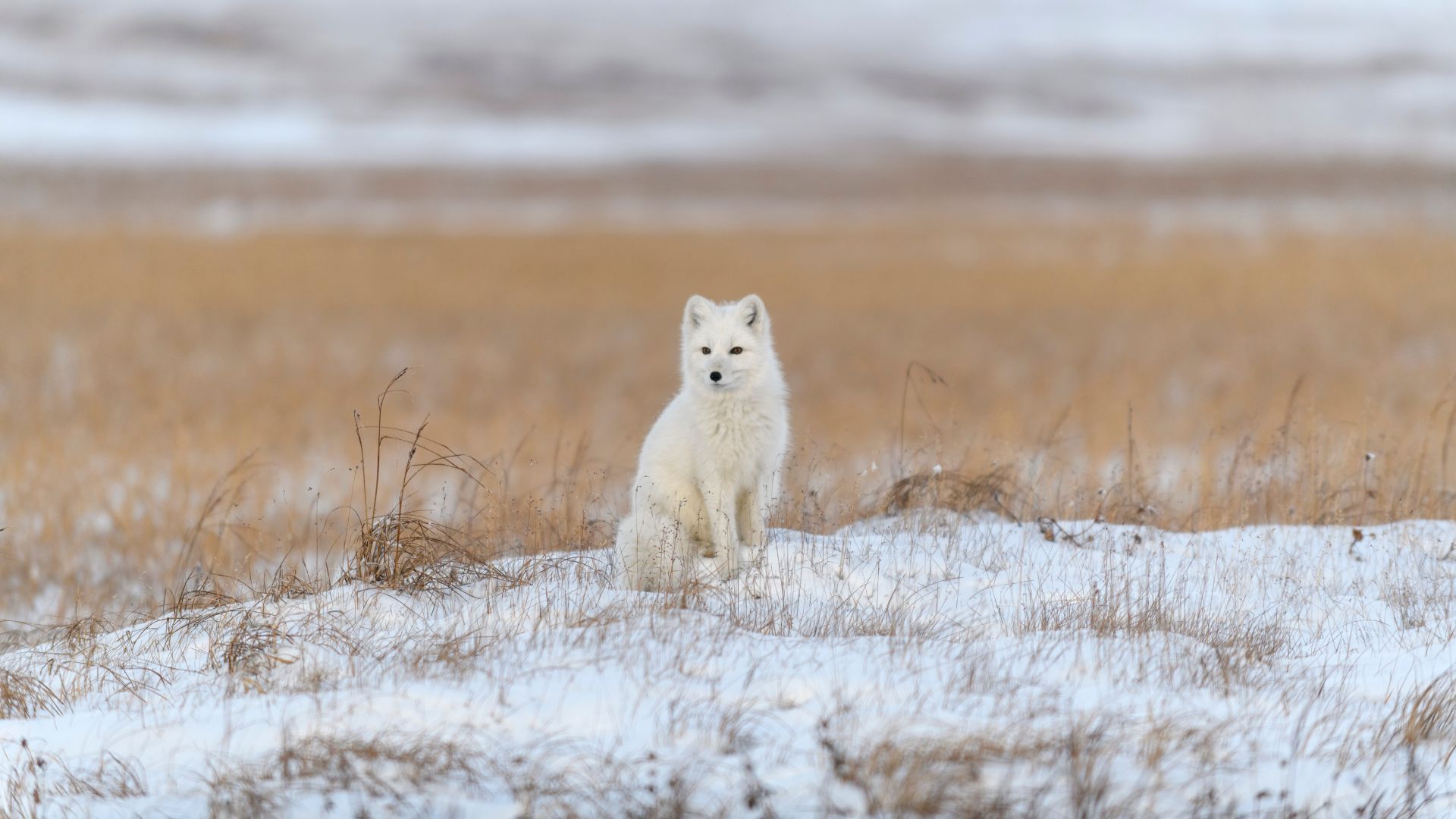
The Arctic, a realm of stark beauty and fragile equilibrium, has long captivated the human imagination. Its icy expanse, where the auroras dance and the tundra whispers ancient secrets, draws travelers from every corner of the globe. Yet beneath the allure of this pristine wilderness lies a troubling paradox: the very tourism that fuels our fascination often disturbs the delicate lives of its inhabitants. Among these, the snowy owl, a regal emblem of Arctic resilience, finds itself increasingly imperiled by the footsteps of those who come to admire it. This is not merely a tale of ecological disruption—it is a narrative of how human curiosity, when left unchecked, can unravel the threads of nature’s tapestry.
The Allure of the Arctic and Its Perils
The Arctic’s mystique is undeniable. Its vast, untouched landscapes offer a rare escape from the clamor of modernity, a place where time seems to slow and the natural world asserts its dominance. For many, the snowy owl embodies this wilderness—a creature of silent grace, its feathers a ghostly white against the snow, its gaze piercing yet serene. Yet this fascination is a double-edged sword. The same tourists who travel thousands of miles to witness such splendor often do so without considering the cost. Each footstep on the tundra, each drone’s buzz overhead, each flash of a camera disrupts the owl’s habitat, forcing it to expend vital energy fleeing perceived threats rather than hunting or nesting. The Arctic, it seems, is not just a destination; it is a stage where human ambition plays out, often at the expense of its most vulnerable performers.
Disturbance as a Silent Intruder
The impact of tourism on snowy owl populations is not always visible, but it is profound. Studies have shown that even low levels of human presence can trigger stress responses in these birds, altering their behavior in ways that jeopardize survival. A snowy owl, disturbed from its perch, may abandon a nest, leaving eggs or chicks vulnerable to predators or the elements. The cumulative effect of such disturbances—repeated over seasons—can lead to declining reproductive success, a slow but inexorable decline in numbers. Worse still, habituation to human presence can make owls more susceptible to poaching or vehicle strikes, as they lose their natural wariness of danger. The Arctic’s silence, once a sanctuary, is now fractured by the echoes of engines and voices, a cacophony that drowns out the whispers of the wild.
The Economics of Fascination
Tourism in the Arctic is not merely a leisurely pursuit; it is an industry, one that thrives on the promise of untouched wonder. Operators market the region as a last frontier, a place where one can commune with nature in its purest form. Yet this commodification of the wild comes at a price. The more the Arctic is packaged as a tourist commodity, the more its ecosystems are treated as backdrops rather than living, breathing systems. Local economies grow dependent on this influx of visitors, creating a cycle where the pressure to attract tourists outweighs the imperative to protect. Conservation efforts, though well-intentioned, often struggle to compete with the immediate financial gains of unregulated tourism. The snowy owl, in this context, becomes a symbol—not just of Arctic resilience, but of how easily wonder can be exploited.
Climate Change: The Invisible Hand
While tourism directly disturbs snowy owl populations, it is not the only force at play. Climate change, the invisible hand of human industry, exacerbates the pressures on these birds. Melting ice and shifting tundra ecosystems force snowy owls to adapt or perish, their traditional hunting grounds vanishing beneath their talons. Tourism, in this scenario, acts as a multiplier of harm. The carbon footprint of Arctic travel—flights, cruises, heated lodges—accelerates the very changes that threaten the owl’s survival. The irony is stark: those who travel to the Arctic to witness its beauty are, in part, hastening its decline. The snowy owl, already a survivor of harsh conditions, now faces a gauntlet of human-induced challenges, each one a thread in the unraveling of its world.
Ethical Tourism: A Path Forward
The question, then, is not whether tourism in the Arctic should exist, but how it can exist responsibly. Ethical tourism demands more than passive observation; it requires active participation in preservation. Visitors must recognize that their presence is not neutral—it is an intervention. Guided tours that prioritize minimal impact, strict adherence to protected zones, and support for local conservation initiatives can mitigate some of the harm. Travelers must also confront their own complicity in the systems that enable ecological destruction. The allure of the Arctic is undeniable, but so too is the responsibility that comes with it. The snowy owl, after all, is not just a spectacle to be captured in a photograph; it is a living testament to the Arctic’s fragility, a creature whose survival depends on our restraint.
The Future of the Snowy Owl
The fate of the snowy owl is not yet sealed, but the window for action is closing. Without urgent, collective efforts to curb harmful tourism practices and address the root causes of climate change, these birds may soon join the ranks of species lost to human indifference. The Arctic’s silence, once a refuge, could become a eulogy. Yet there is hope. The same curiosity that draws people to the Arctic can also inspire them to protect it. By redefining tourism as a force for good—one that values preservation over spectacle—we can ensure that the snowy owl’s piercing gaze remains a fixture of the tundra for generations to come. The Arctic does not belong to us. It is a borrowed land, and its wonders demand our reverence, not our exploitation.