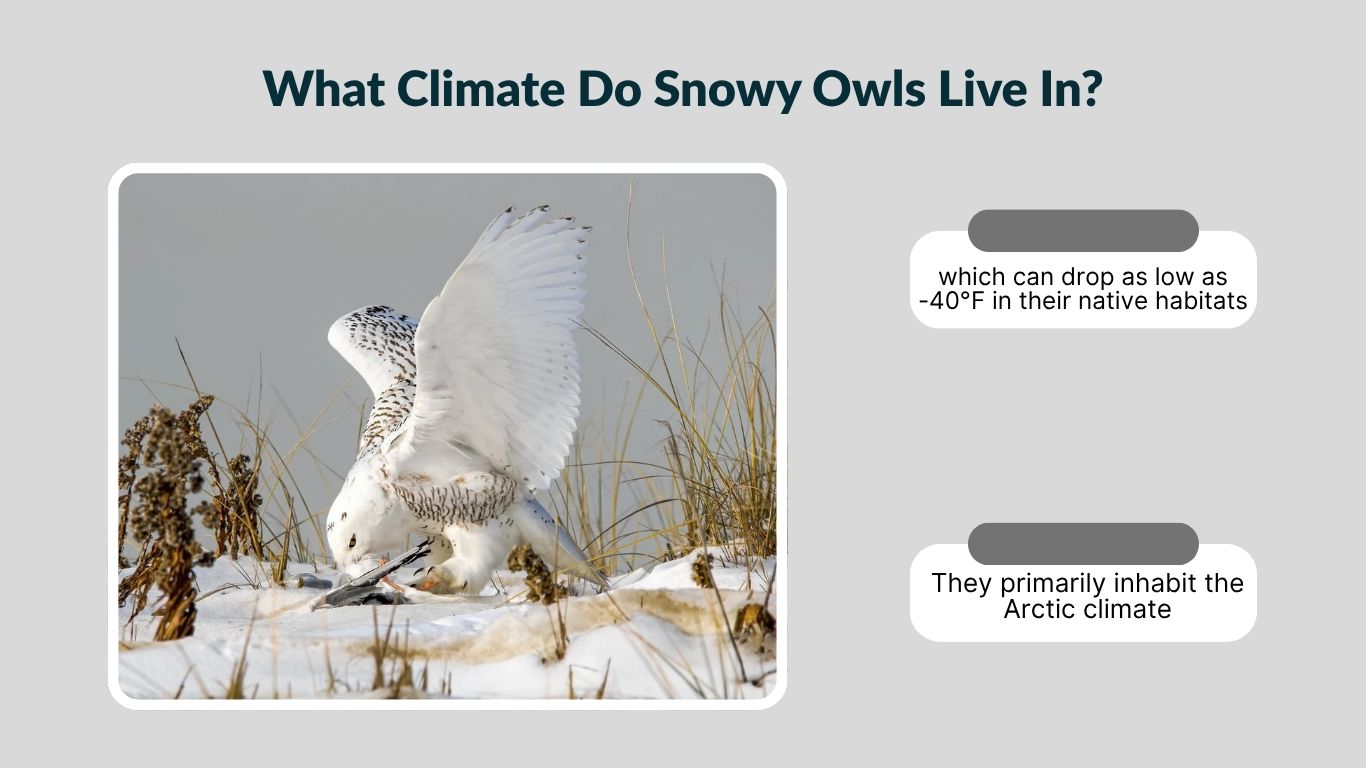
The Snowy Owl, a majestic Arctic dweller, faces an existential crisis as climate change reshapes its icy domain. Once a symbol of resilience against the harshest winters, this apex predator now confronts shrinking habitats, erratic food sources, and shifting migration patterns. Yet, amid this turmoil, a glimmer of hope emerges in the form of climate refuges—sanctuaries where nature’s rhythms are preserved, if only temporarily. These refuges are not just patches of untouched wilderness; they are lifelines, offering Snowy Owls a reprieve from the relentless march of environmental degradation. Understanding their role is not just an ecological imperative—it’s a feminist act of solidarity with a species that, like so many marginalized communities, is disproportionately affected by systemic neglect.
The Urgency of Climate Refuges for Snowy Owls
Climate refuges are pockets of stability in a world of escalating chaos. For Snowy Owls, these areas—often remote, often overlooked—provide the last bastions of predictable prey, undisturbed nesting grounds, and unbroken seasonal cycles. The Arctic tundra, their ancestral home, is thawing at an alarming rate, forcing these birds into unfamiliar territories where survival is precarious. Refuges act as ecological anchors, slowing the erosion of their habitat while scientists and conservationists scramble to mitigate broader climate impacts. Without these havens, the Snowy Owl’s future would resemble a cliff’s edge—one misstep, and the species could vanish into the annals of extinction. The irony is stark: a creature evolved to thrive in the cold now depends on the very systems humanity is dismantling.
Geographical Hotspots: Where Refuges Matter Most
Not all refuges are created equal. Some are vast, like the Wrangel Island Reserve in Russia, a UNESCO World Heritage Site where Snowy Owls nest undisturbed by industrial encroachment. Others are small but critical, such as the Banks Island Migratory Bird Sanctuary in Canada, where seasonal food abundance lures owls during lean years. These locations share a common trait: they are either geographically isolated or legally protected, shielding them from the worst effects of climate change. Yet, even these sanctuaries are not impervious. Rising temperatures and invasive species threaten to erode their protective qualities, underscoring the need for adaptive management. The challenge lies in identifying and preserving these refuges before they, too, become relics of a bygone era.
Food Security in a Changing World
For Snowy Owls, food is not merely sustenance—it is survival. Their primary prey, lemmings and voles, are declining as Arctic ecosystems destabilize. Climate refuges offer a reprieve by maintaining stable rodent populations, ensuring owls can hunt without expending excessive energy. Yet, the relationship between predator and prey is delicate. Overgrazing by herbivores in warmer winters can deplete food sources, while unpredictable snowmelt disrupts the timing of rodent population booms. Refuges mitigate these risks by preserving the intricate balance of Arctic food webs. Without them, Snowy Owls would face a grim calculus: starve, migrate to even more hostile environments, or perish. The stakes are high, and the window for intervention is closing.
Nesting Grounds: The Battle for Safe Reproduction
Snowy Owls are meticulous nesters, selecting sites that offer both seclusion and access to prey. Climate refuges provide these conditions by limiting human disturbance and preserving the open, windswept landscapes owls prefer. Yet, as Arctic summers grow longer and wetter, nesting grounds are increasingly vulnerable to flooding and vegetation encroachment. Refuges act as buffers, delaying the onset of these threats. However, their effectiveness depends on scale. A single refuge cannot sustain a population if adjacent areas are degraded. This is where corridor conservation comes into play—linking refuges through protected migration routes to ensure owls can access multiple safe havens. The fight for nesting grounds is not just about space; it’s about time, and whether humanity can act before the clock runs out.
The Human Factor: Indigenous Knowledge and Collaborative Stewardship
Indigenous communities have long been the stewards of Arctic ecosystems, their knowledge of animal behavior and seasonal cycles far surpassing modern scientific models. In regions like Nunavut and Sápmi, traditional ecological knowledge (TEK) informs refuge management, ensuring that conservation strategies align with the rhythms of nature. For example, Inuit hunters recognize that Snowy Owl populations fluctuate with lemming cycles, a pattern that modern ecologists are only now beginning to document. By integrating TEK with climate science, refuges become more than static protected areas—they transform into dynamic, living systems where human and animal coexistence is not just possible but essential. This collaborative approach is a feminist triumph, centering marginalized voices in the fight against ecological collapse.
Policy and Advocacy: Turning Refuges into Legal Fortresses
The creation of climate refuges is not enough; they must be enshrined in law to withstand political and economic pressures. International agreements like the Agreement on the Conservation of Albatrosses and Petrels provide a blueprint for protecting migratory species, but Snowy Owls require tailored policies. Advocacy groups are pushing for expanded Arctic reserves, stricter emissions regulations, and funding for habitat restoration. Yet, progress is slow. Fossil fuel extraction, shipping routes, and military activity continue to encroach on critical owl habitats. The battle for refuges is, at its core, a battle for the soul of the Arctic—a region where corporate greed and climate justice collide. The question is not whether refuges can save Snowy Owls, but whether humanity has the will to let them.
Citizen Science and Community Engagement: Empowering the Public
Protecting Snowy Owls is not the sole responsibility of scientists and policymakers. Citizen science initiatives, such as the Snowy Owl Tracking Project, invite birdwatchers and enthusiasts to contribute data on owl sightings, migration patterns, and habitat use. These efforts democratize conservation, turning passive observers into active participants. Schools, too, play a role, integrating owl ecology into curricula to foster the next generation of environmental stewards. The power of community lies in its ability to amplify voices, pressure decision-makers, and create a groundswell of support for refuges. When people see themselves as part of the solution, the fight for Snowy Owls becomes a shared struggle—one that transcends borders and ideologies.
The Future: Can Refuges Outpace Climate Change?
The prognosis is uncertain. Climate refuges buy time, but they cannot reverse the tide of global warming. The Arctic is warming at three times the global average, and even the most remote sanctuaries are feeling the heat. Yet, refuges offer a glimmer of hope—a chance to study, adapt, and intervene before it’s too late. The key lies in scalability: expanding existing refuges, creating new ones in strategic locations, and ensuring they are interconnected. It also lies in urgency. Every degree of warming matters, every lost hectare of habitat is a tragedy. The Snowy Owl’s fate is a litmus test for humanity’s relationship with nature. Will we act with the same ferocity as the owl itself, defending its home with unwavering resolve? The answer will define not just the future of a single species, but the moral compass of our time.