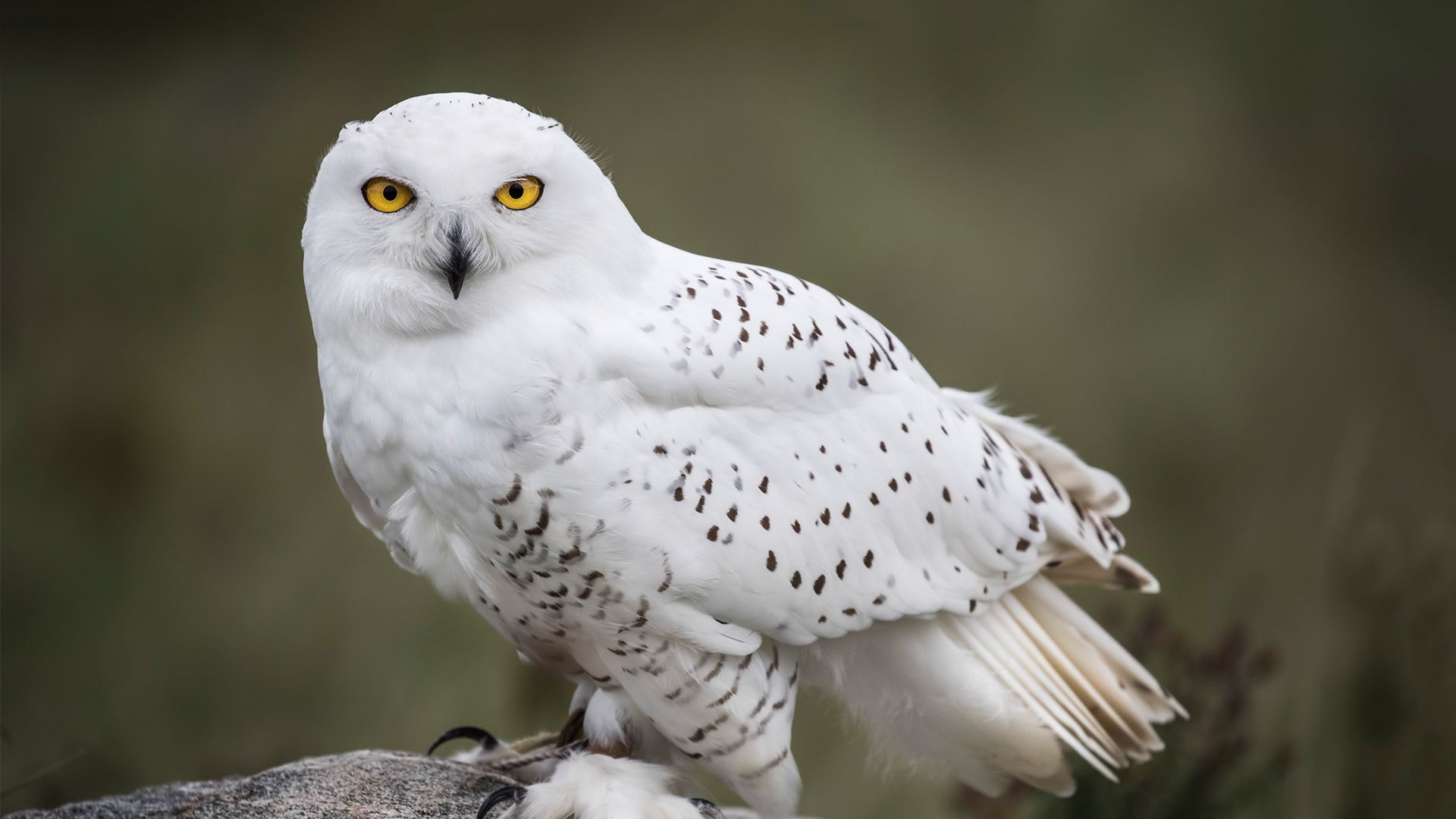
The Arctic, a land of eternal twilight and frozen majesty, is no stranger to the whims of nature. Yet, as the planet’s thermostat climbs, even its most resilient inhabitants—like the ethereal snowy owl—face a gauntlet of challenges. What happens when the blizzards that once defined survival now give way to unrelenting heatwaves? How does a creature clad in a feathered armor designed for subzero winds adapt when the Arctic itself seems to forget its own rules? Buckle up, dear reader, because the snowy owl’s story is one of grit, cunning, and a dash of Arctic magic.
The Arctic’s Unraveling Fabric: When the Cold No Longer Holds
The Arctic is a paradox—a place of paradoxes. It is both a fortress of ice and a tinderbox of change. For millennia, the snowy owl (*Bubo scandiacus*) has thrived in this icy realm, its snowy plumage a masterclass in camouflage against the endless white. But as the planet warms, the Arctic’s icy grip loosens. Heatwaves, once a rarity, now scorch the tundra with increasing frequency, turning frozen lakes into murky puddles and melting the permafrost that anchors the ecosystem.
Imagine, if you will, a world where the blizzard’s howl is replaced by the oppressive silence of a heat haze. The snowy owl, a creature of the deep cold, must now navigate a landscape that no longer obeys the old rules. Its thick, insulating feathers—once a shield against the biting wind—now trap heat like a woolen sweater in a sauna. The very adaptations that made it a hunter now threaten its survival. It’s as if the Arctic has pulled the rug out from under its most iconic resident.
The Heatwave Gambit: Can the Snowy Owl Outsmart the Sun?
Heatwaves in the Arctic are not the sultry, humid affairs of the tropics. They are dry, relentless, and often accompanied by a cruel irony: the sun that once melted the ice now scorches the land. For the snowy owl, this means a battle against overheating. Unlike mammals, birds cannot sweat. Instead, they rely on a clever trick—panting. But panting is a double-edged sword. While it cools the body, it also dehydrates, leaving the owl parched in a land where water is scarce.
Then there’s the issue of prey. Arctic lemmings, the owl’s primary food source, are also struggling. Heatwaves dry up vegetation, reducing the lemmings’ food supply and forcing them into deeper burrows to escape the heat. A snowy owl that can’t find food is a snowy owl on borrowed time. Some may resort to hunting during the cooler twilight hours, but the Arctic’s new unpredictability makes even that a gamble. The owl’s legendary patience is tested as it waits for a meal that may never come.
But nature, ever the innovator, has equipped the snowy owl with one more trick: behavioral flexibility. Some individuals have been observed seeking refuge in the shadows of rocky outcrops or even burrowing into the earth to escape the worst of the heat. It’s a desperate measure, but in a world where the old rules no longer apply, desperation is the new survival strategy.
Storms of the New Arctic: When the Sky Turns Against You
If heatwaves are the Arctic’s silent assassins, then storms are its chaotic maestros. The Arctic’s weather is a tempestuous symphony of wind, snow, and ice, but climate change has turned up the volume. Unseasonal storms now lash the tundra with a ferocity that would make even the hardiest Arctic fox pause. For the snowy owl, these storms are a triple threat: they disrupt hunting, damage nests, and can bury food sources under layers of ice and snow.
Consider the plight of a snowy owl with chicks to feed. A sudden storm can wipe out an entire clutch, leaving the parents to start anew in a landscape that offers no guarantees. The owl’s nest, typically a shallow scrape in the ground lined with feathers and moss, is no match for the fury of a modern Arctic storm. And if the storm strikes during the breeding season? The consequences are catastrophic. The owl’s reproductive success, once a marvel of evolutionary precision, is now at the mercy of the wind.
Yet, even in the face of such adversity, the snowy owl demonstrates a resilience that borders on defiance. Some individuals have been spotted relocating their nests to higher ground, away from the flood-prone lowlands. Others have adapted their hunting techniques, using the storm’s chaos to their advantage by swooping in on prey disoriented by the tumult. It’s a testament to the owl’s intelligence—and its refusal to surrender to the Arctic’s new whims.
The Invisible Threat: How Climate Change Rewires the Arctic’s Food Web
The snowy owl’s struggle is not just about weather—it’s about the entire web of life that sustains it. Climate change is a puppeteer, pulling strings in ways that ripple through the ecosystem. As the Arctic warms, new species are moving in, competing for resources, and altering the balance. Red foxes, once rare in the owl’s territory, are now encroaching, stealing prey and even preying on owl chicks. Meanwhile, migratory birds that once avoided the Arctic’s harsh winters are now overwintering, depleting food stocks before the owl’s breeding season even begins.
This invisible war is perhaps the most insidious challenge the snowy owl faces. It’s not just about surviving the heat or outlasting a storm—it’s about competing in a landscape that no longer recognizes its place. The owl, a creature of the open tundra, now finds itself in a world where the rules are rewritten daily. Its survival depends not just on its own adaptability, but on the resilience of the entire Arctic ecosystem—a system that is, at best, teetering on the edge.
And yet, the snowy owl endures. It is a survivor, a testament to nature’s unyielding spirit. In a world where the Arctic is melting, where storms rage with unnatural fury, and where the old certainties crumble, the owl remains—a silent sentinel in a land that is no longer its own.
What’s Next for the Snowy Owl? A Call to Action
The snowy owl’s story is not just one of survival—it’s a mirror held up to our own choices. The Arctic’s transformation is a warning, a stark reminder of the consequences of unchecked climate change. If we fail to act, we may lose not just a species, but a symbol of the wild, untamed beauty that once defined the Arctic.
So what can we do? Support conservation efforts that protect the Arctic’s fragile ecosystems. Advocate for policies that curb greenhouse gas emissions. And most importantly, recognize that the snowy owl’s struggle is our struggle—a fight for a planet that still has room for magic, for resilience, and for the wild things that refuse to surrender.
The Arctic’s future is uncertain, but the snowy owl’s spirit is not. It will endure. And so, too, must we.