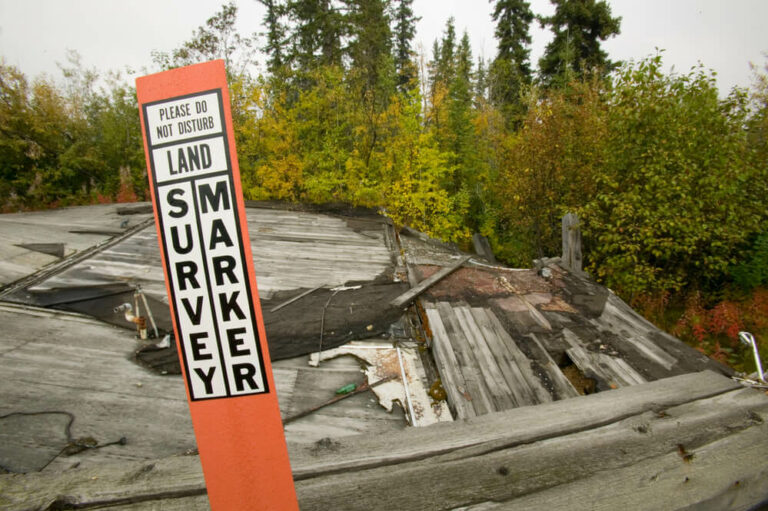
The Arctic, a realm of eternal ice and whispering winds, is undergoing a transformation so profound that even its most resilient inhabitants are being forced to adapt—or perish. Among these, the snowy owl, a creature of ethereal beauty and fierce independence, finds itself at the mercy of a silent, creeping crisis: thawing permafrost. Once a steadfast foundation for its nesting grounds, the once-frozen earth is now yielding to the relentless advance of climate change, reshaping ecosystems in ways that are as subtle as they are devastating. This is not merely a story of melting ice; it is a narrative of survival, resilience, and the delicate balance between tradition and upheaval in one of Earth’s most unforgiving landscapes.
The Arctic’s Shifting Foundations: How Permafrost Thaw Reshapes the Land
Permafrost, that ancient and unyielding layer of frozen soil and rock, has long been the bedrock of the Arctic’s ecological stability. For millennia, it has remained locked in a perpetual winter, its icy grip preserving the secrets of past epochs while providing a stable platform for life to flourish. But beneath this frozen veneer, a slow and insidious transformation is underway. As global temperatures rise, permafrost is thawing at an unprecedented rate, causing the ground to slump, crack, and collapse in a phenomenon known as thermokarst. The once-solid earth becomes a quagmire of mud and meltwater, erasing the familiar contours of the landscape.
For the snowy owl, this is more than a geological curiosity—it is an existential threat. These birds, which have evolved to nest in the open tundra, rely on the firm, undisturbed ground to build their nests and raise their young. The thawing permafrost disrupts this delicate arrangement, turning their ancestral nesting sites into unstable, waterlogged traps. The ground that once supported their eggs and chicks now gives way beneath them, leaving nests vulnerable to flooding and predation. The Arctic’s foundation, once a symbol of permanence, is crumbling beneath the owls’ talons.

The Snowy Owl’s Plight: Nesting in a World of Uncertainty
The snowy owl, *Bubo scandiacus*, is a creature of paradox—a hunter of the open skies and a denizen of the frozen expanse, equally at home in the blinding white of winter and the dim glow of the Arctic summer. Its snowy plumage, a masterpiece of evolutionary camouflage, has long allowed it to blend seamlessly into the tundra, where it perches atop hummocks and ridges, scanning the horizon for prey. But as the permafrost thaws, these ridges dissolve into soggy depressions, and the once-reliable vantage points vanish. The owls are forced to adapt, seeking out new nesting grounds on higher, drier terrain—or, in some cases, abandoning their traditional sites altogether.
This displacement is not merely an inconvenience; it is a disruption of the very rhythms that have governed the snowy owl’s life for generations. The Arctic’s nesting season is a fleeting window of opportunity, a brief window when the ground is firm enough to support a nest and the prey is abundant. When permafrost thaw alters the timing and availability of these conditions, the owls face a cruel dilemma: nest too early, and the ground may still be too soft; nest too late, and the brief Arctic summer may have already begun to wane. The result is a precarious balancing act, one that grows increasingly difficult as the climate continues to warm.
Prey and Predation: The Ripple Effects of a Thawing Landscape
The snowy owl’s survival is inextricably linked to the abundance of its prey, particularly lemmings and other small mammals that burrow in the tundra. These creatures, too, are affected by the thawing permafrost, as their burrows collapse and their habitats shrink. A decline in prey availability forces the owls to range farther afield in search of food, expending precious energy that could otherwise be used for nesting and rearing their young. The result is a vicious cycle: fewer prey means hungrier owls, which in turn means fewer chicks surviving to adulthood.
But the challenges do not end there. As the permafrost thaws, it releases vast quantities of stored carbon into the atmosphere, accelerating the very warming that is driving the crisis. This creates a feedback loop, one that intensifies the pressure on the Arctic’s ecosystems. Predators that once relied on the snowy owl as a competitor now find themselves with fewer prey options, while invasive species—those hardy opportunists that thrive in disturbed landscapes—begin to encroach on the owls’ territory. The Arctic, once a bastion of stability, is becoming a battleground of shifting alliances and dwindling resources.
The Human Factor: How Our Actions Echo in the Arctic
To understand the plight of the snowy owl, we must acknowledge the role that human activity has played in reshaping the Arctic. The burning of fossil fuels, the destruction of habitats, and the relentless march of industrialization have all contributed to the warming that is now unraveling the permafrost. The Arctic, often seen as a distant and untouched wilderness, is in fact a mirror reflecting our own actions back at us. The thawing permafrost is not merely a natural phenomenon; it is a consequence of our collective choices, a testament to the interconnectedness of all life on Earth.
Yet, within this crisis lies an opportunity—a chance to rethink our relationship with the planet and to recognize that the fate of the snowy owl is intertwined with our own. The Arctic is not just a laboratory for climate science; it is a sacred landscape, a place of ancient wisdom and untold beauty. By addressing the root causes of permafrost thaw, we can begin to restore balance to this fragile ecosystem. This means reducing our carbon footprint, protecting critical habitats, and supporting Indigenous communities that have long been stewards of the Arctic’s lands.
Hope in the Snow: Can the Snowy Owl Adapt in Time?
Despite the daunting challenges, there is reason for cautious optimism. The snowy owl is a survivor, a creature that has endured ice ages and shifting climates for millennia. Its ability to adapt—whether by altering its nesting habits, expanding its range, or even hybridizing with other owl species—suggests that it may yet find a way to persist in a changing world. Scientists are studying these adaptations closely, seeking clues that could help us predict how other species might respond to the warming Arctic.
But adaptation is not a guarantee of survival. The snowy owl’s fate hinges on the actions we take today. If we continue to ignore the warning signs, if we allow the permafrost to thaw unchecked, we risk losing not just a species, but a symbol of the Arctic’s wild and untamed spirit. The snowy owl is more than a bird; it is a sentinel, a harbinger of the changes that are sweeping across the planet. Its struggle is our struggle, a reminder that the Earth’s ecosystems are not separate from our own, but deeply and inextricably connected.
The Arctic’s silence is breaking. The ice is melting. The ground is shifting beneath our feet. It is time to listen—to the whispers of the wind, to the cries of the owls, and to the urgent call of a planet in transition. The snowy owl’s story is not yet over. But the window to change its ending is closing.