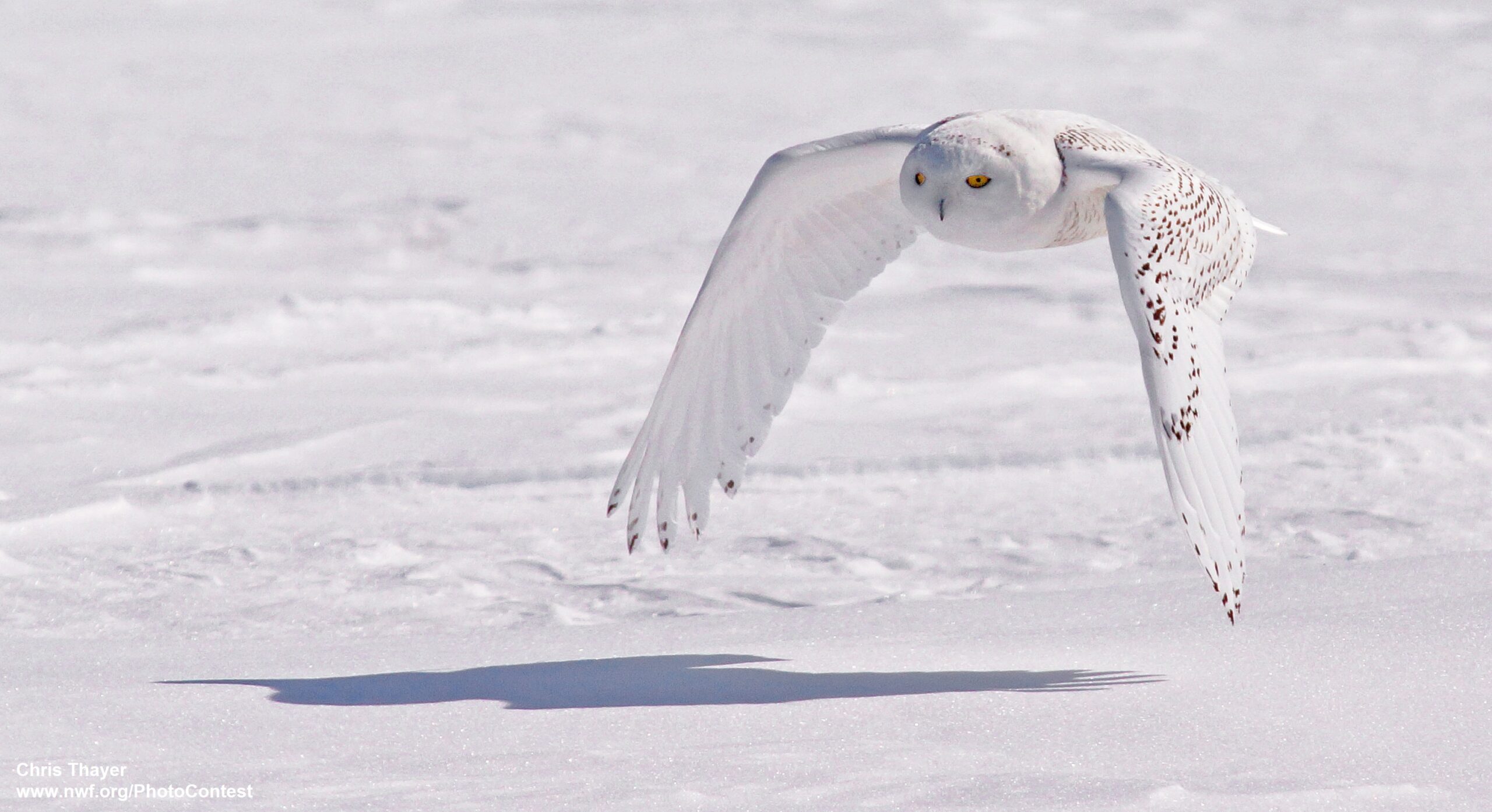
The Arctic tundra is a realm of stark, breathtaking beauty—a vast, windswept expanse where the earth meets the sky in a seamless, monochromatic canvas. Here, the snowy owl reigns as a silent sovereign, its ghostly plumage blending seamlessly with the frozen landscape. To witness this bird in its natural habitat is to glimpse a world where survival is an art form, where silence speaks louder than words, and where the boundaries between predator and prey blur into a delicate dance of existence. The fascination with the snowy owl is not merely about its striking appearance; it is about the resilience it embodies, the mysteries it guards, and the untold stories etched into the permafrost beneath its talons.
The Arctic Tundra: A Crucible of Extremes
The Arctic tundra is not for the faint of heart. It is a place where temperatures plummet to depths that would freeze the marrow in one’s bones, where the sun may vanish for months on end, only to return in a blaze of endless daylight. This is a land of paradoxes—where the ground remains perpetually frozen yet bursts into a riot of life during the brief summer months. The snowy owl thrives in this crucible of extremes, its thick, insulating feathers a marvel of evolutionary ingenuity. Unlike other birds that migrate southward to escape the harshest conditions, the snowy owl remains, a testament to nature’s unyielding adaptability.
The tundra’s ecosystem is a fragile tapestry, woven with threads of lichen, moss, and hardy shrubs. It is a place where every living thing must be both predator and survivor. The snowy owl, with its piercing yellow eyes and silent flight, is the apex of this frozen world. Its presence is a reminder that life, no matter how tenuous, will always find a way to endure.
The Snowy Owl: A Phantom of the Frozen Wastes
To see a snowy owl is to witness a creature that seems almost otherworldly. Its pristine white plumage, streaked with delicate bars of dark brown, is a masterclass in camouflage, allowing it to melt into the snowy expanse with eerie precision. But it is not just its appearance that captivates; it is the aura of mystery that surrounds it. The snowy owl is a creature of few words—its hoots echoing across the tundra like whispers from another time. It is a bird that does not merely inhabit the Arctic; it commands it.
Unlike its nocturnal cousins, the snowy owl is diurnal, active both day and night. This adaptation is crucial in a land where daylight is a fleeting luxury during winter. Its keen eyesight, capable of spotting prey from miles away, is a marvel of nature’s design. Yet, for all its prowess, the snowy owl is not invincible. Its survival hinges on the delicate balance of its ecosystem, a balance increasingly threatened by the encroaching shadows of climate change.
Hunting in the Silence: The Owl’s Predatory Ballet
The snowy owl’s hunting technique is a study in patience and precision. It perches atop a rise, its body a statue carved from ice, waiting for the slightest movement in the snow below. When prey—a lemming, perhaps, or a small rodent—stirs, the owl strikes with a speed that belies its size. There is no wasted motion, no unnecessary sound. This is hunting as an art form, a silent ballet where life and death are decided in the blink of an eye.
The lemming, a small, unassuming rodent, is the snowy owl’s primary sustenance. In years when lemming populations boom, the owl thrives. But when their numbers dwindle, the owl must adapt, traveling farther in search of food. This ebb and flow of predator and prey is a delicate dance, one that has played out for millennia in the Arctic. Yet, as the tundra warms and the permafrost thaws, this dance grows increasingly precarious.
The Arctic’s Fragile Balance: Climate Change and the Owl’s Future
The Arctic is warming at an alarming rate, and the snowy owl is on the front lines of this crisis. As the permafrost melts and the tundra’s delicate balance shifts, the owl’s habitat is under siege. Shrinking sea ice, unpredictable weather patterns, and dwindling prey populations threaten its existence. The snowy owl is not just a symbol of the Arctic’s beauty; it is an indicator of its health. Its decline would be a harbinger of a far greater unraveling.
Yet, there is hope. Conservation efforts, research, and global awareness are slowly turning the tide. By protecting the Arctic’s fragile ecosystems, we are not just saving the snowy owl; we are preserving a way of life that has endured for centuries. The owl’s story is our story—a reminder that we are all connected, that the fate of one creature is intertwined with the fate of the planet.
The Owl’s Cultural Significance: A Symbol Across Time
The snowy owl has long captivated human imagination. In Inuit mythology, it is a messenger between the living and the spirit world, a guardian of secrets whispered on the wind. In Western culture, it is often seen as a symbol of wisdom and mystery, a creature that sees what others cannot. Yet, its true significance lies in its role as a keystone species, a linchpin in the Arctic’s delicate web of life.
To lose the snowy owl would be to lose a piece of our collective heritage. It would be to erase a chapter from the book of life, a chapter written in ice and snow. But to protect it is to honor the resilience of nature, to acknowledge that we are not separate from the wild but a part of it.
Conclusion: A Call to Witness and Protect
The Arctic tundra is a place of silence and solitude, where the wind carries the echoes of a world untouched by time. Here, the snowy owl stands as a sentinel, a silent witness to the ebb and flow of life. To witness it is to be humbled by the power of nature, to be reminded of our own fragility and our responsibility to protect the wild places that remain.
We must not let the snowy owl become a relic of the past. We must ensure that its ghostly silhouette continues to grace the Arctic skies, a symbol of endurance, mystery, and the unbreakable spirit of life. The tundra is calling. Will we answer?