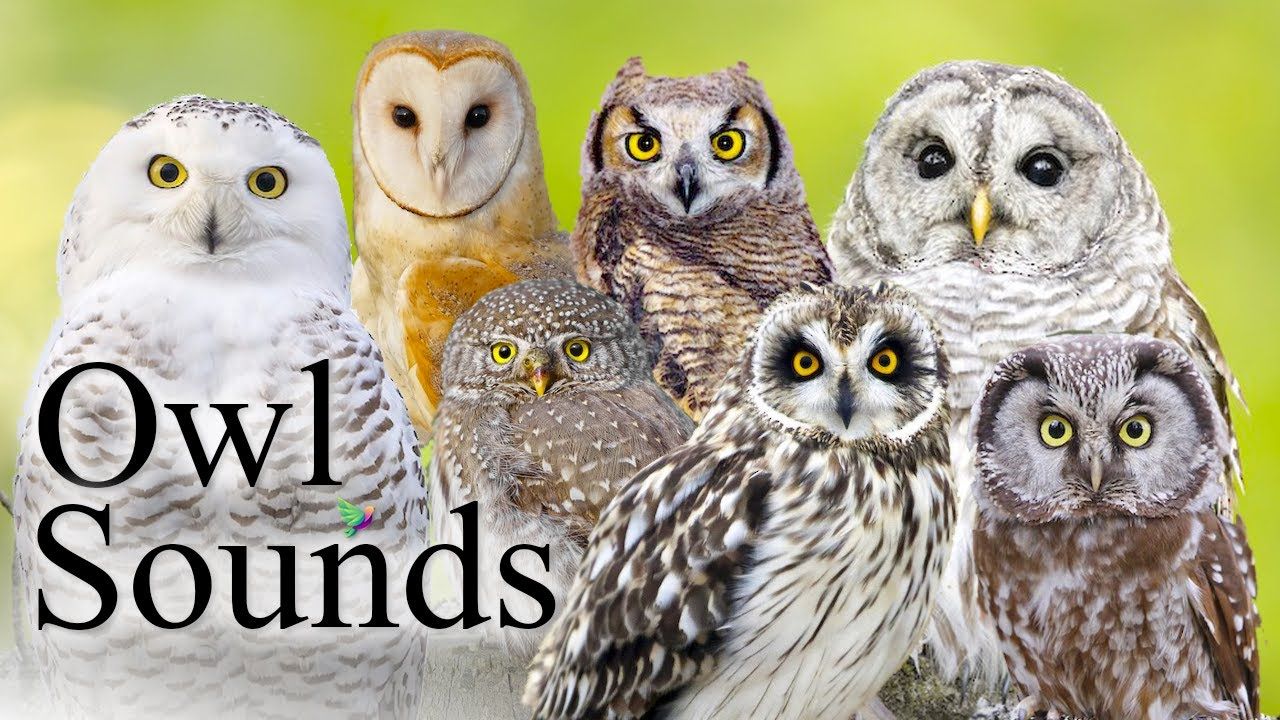
The ethereal calls of the spotted owl echo through ancient woodlands, stirring a primal curiosity that has captivated birdwatchers, naturalists, and casual listeners alike. These enigmatic melodies are more than simple sounds; they serve as a bridge to understanding the secretive life of one of North America’s most intriguing raptors. Every hoot, whistle, and trill contains an intricate language of survival, communication, and territorial proclamation. Yet, beyond the biological purpose, the allure of the spotted owl’s calls reveals a profound human fascination with nature’s mysterious symphony.
The Acoustic Signature of the Spotted Owl
The spotted owl’s vocalizations possess a distinctive tonal quality that sets them apart from their avian counterparts. Unlike the often harsh or piercing calls of other owls, the spotted owl’s hoots are deep, mellow, and pulsating, evoking an almost haunting ambiance within their dense forest habitats. Their primary song is a series of four-note hoots, spaced by precise pauses, resembling a slow, measured rhythm that resonates through the twilight. This acoustic signature acts like an auditory fingerprint, enabling skilled observers to differentiate spotted owls from other sympatric species such as barred owls or great horned owls.
The modal frequencies of their call often fall within a lower range, lending a velvety texture to their sounds. This low-frequency modulation is an evolutionary adaptation optimized for long-distance communication through thick coniferous forests. It allows the sound to travel considerable distances with minimal degradation, ensuring that territorial messages or mating calls reach their intended recipients even amidst dense vegetation. The musicality of these calls, coupled with their functionality, underscores the remarkable balance nature strikes between beauty and utility.
Behavioral Contexts Behind Vocalizations
Unraveling the reasons behind the spotted owl’s calls sheds light on their behavioral ecology. These birds use vocalizations for an array of social interactions, ranging from mate attraction to territorial defense. The traditional four-note hoot primarily functions as a territorial call, a clear proclamation to rivals that a given region is already claimed. When two spotted owls are pairing, their mutual vocal exchanges become more elaborate, sometimes involving duet hoots that fortify their bond and communicate joint ownership of territory.
Juvenile spotted owls add another layer of complexity. Their calls often manifest as softer, less structured hoots or scratchy trills, signaling distress or attempts to solicit care from parents. This vocal variability reflects the dynamic communicative web within spotted owl populations, where each sound variation carries distinct social cues. Appreciating these nuanced vocal behaviors enriches our understanding of their social structures and survival tactics.
The Role of Vocalizations in Conservation Awareness
The spotted owl’s calls have transcended mere biological interest, becoming potent symbols in conservation narratives. As old-growth forests face anthropogenic threats, the haunting hoots of the spotted owl are galvanizing voices for preservation efforts. Conservationists have long harnessed audio monitoring of these calls to track populations, assess habitat health, and implement protective measures. Since the species is nocturnal and elusive, their vocalizations are often the most reliable metrics for gauging abundance and spatial distribution.
Moreover, the emotional resonance evoked by hearing a spotted owl’s call in the wild mobilizes public support for habitat conservation. The primal and somewhat mystical nature of their sounds touches something deep within human listeners, inspiring advocacy and fostering a reverence for the fragile ecosystems these birds inhabit. It is this intersection of science and sentiment that situates the spotted owl’s calls as more than ecological phenomena—they become calls to conscience.
Techniques for Identifying Spotted Owl Calls in the Field
For enthusiasts seeking to experience and correctly identify spotted owl calls, several practical guidelines can enhance success and deepen appreciation. First, familiarity with their characteristic hoot patterns is crucial. Spending time listening to recordings before heading into their habitats can attune the ear to subtle variations that distinguish spotted owls from other nocturnal birds.
Second, understanding the temporal context of their calls can assist identification. Spotted owls are most vocally active during dusk and dawn. Patience during these “crepuscular” periods often rewards the listener with clearer and more frequent vocalizations. Positioning oneself near likely perching spots, such as dense old-growth stands and riparian zones, further increases chances of auditory encounters.
Listening for the rhythm and pitch of calls is equally important. Unlike some owls whose calls rapidly fluctuate in pitch or tempo, the spotted owl’s slow, deliberate hoots create a hypnotic pattern that can be discerned even amidst ambient forest noises. Carrying quality recording equipment can also enhance field studies, allowing for later analysis and confirmation of species identity.
Mythos and Cultural Impressions of Spotted Owl Calls
The mystical aura surrounding spotted owl calls has woven them into folklore and popular imaginations. Revered by indigenous cultures and nature enthusiasts alike, these owls symbolize wisdom, guardianship, and the mysteries of the forest night. Their vocalizations, often heard but seldom seen, evoke a sense of the unknown—a tantalizing reminder of the wild’s secret realm.
This cultural dimension amplifies the intrigue around their sounds, prompting many to pause and listen with a heightened sense of wonder. The spotted owl’s calls bridge the tangible and intangible—a sonic portal into a world where nature’s enigmas whisper through the trees. It is this blend of natural history and human mythology that enriches the experience of hearing these calls beneath the canopy.
Challenges in Studying and Preserving Spotted Owl Vocalizations
Despite advancements in bioacoustic technology, several challenges persist in the study and conservation of spotted owl calls. Habitat fragmentation diminishes the continuity of their forest homes, altering acoustic landscapes and potentially disrupting communication signals. Noise pollution from human activities imposes an additional barrier, masking their calls and complicating auditory surveys.
Furthermore, the similarity of some calls between spotted owls and other species can sometimes lead to misidentifications, necessitating meticulous analysis and cross-referencing. Researchers must often integrate vocal data with visual sightings and habitat assessments to paint comprehensive ecological portraits.
Preserving the integrity of these calls requires holistic conservation approaches that protect large swaths of old-growth forests and curb encroaching anthropogenic disturbances. Only by safeguarding their habitats can the pure, haunting melodies of the spotted owl continue to enrich our wilderness soundscapes.
Conclusion: Embracing the Resonance of Spotted Owl Calls
The calls of the spotted owl transcend their immediate ecological functions, entering the realm of human fascination and emotional connection. They are not just signals but symphonic narratives that tell stories of survival, partnership, and forest stewardship. Learning to discern these unique vocalizations opens a profound dialogue with nature—one that encourages patience, attentiveness, and respect.
Through the layered complexity of their soundscape, the spotted owl invites us to listen deeply, to appreciate the subtle rhythms of the wild, and to champion the preservation of the ancient woodlands they call home. In their calls, a timeless echo resonates—a reminder that some of nature’s most compelling tales are told not through sight, but through the enchanting language of the night.