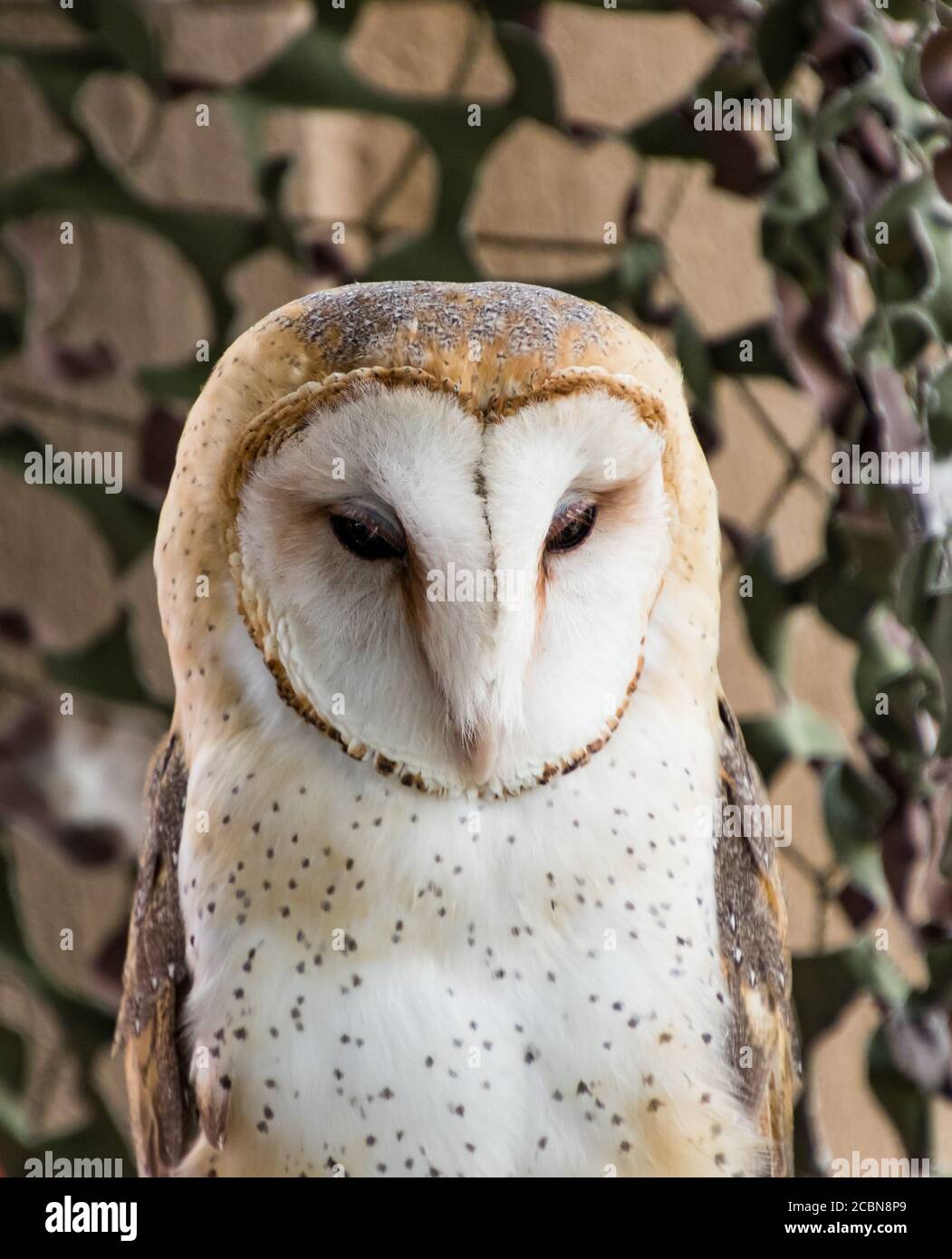
In the dim, whispering forests where the elusive spotted owl silently navigates the twilight, a new alliance is forming—an alliance between ancient avian grace and cutting-edge technology. Like a delicate symphony in which nature and innovation harmonize, robotics are weaving themselves into the tapestry of spotted owl rehabilitation. They are the unseen tenders of these enigmatic creatures, augmenting human effort with precision, patience, and visionary care. These mechanical auxiliaries act as both silent sentinels and nurturing hands, poised to ensure the survival of a species that teeters on the edge of existence.
The Enigma of the Spotted Owl: Why Rehabilitation Matters
The spotted owl is a phantom of the Pacific Northwest, a species veiled by dappled shadows and ancient trees. Its existence is a barometer of forest health, an environmental indicator entwined with the fate of its majestic canopy home. Yet habitat loss, climate upheaval, and competition have cast a pall over their numbers. Rehabilitation is not merely an act of saving individual owls but a crusade to preserve a living emblem of ecological balance. Within this context, the pursuit of advanced methods, including robotic assistance, becomes a poignant endeavor filled with urgency and hope.
Robotics as the New Caretakers: A Symphony of Technology and Tenderness
Imagine a guardian that never tires, with senses calibrated to the finest scale, capable of administering care with uniform dedication. Robotics in spotted owl rehabilitation function as this tireless custodian, a mechanical extension of human empathy. From intricate feeding mechanisms mimicking parental beak-to-beak transfers to automated monitoring systems that vigilantly track vital signs, these devices embody a fusion of engineering finesse and biological insight. They move like clockwork caregivers, orchestrating a nurturing environment that replicates the subtle nuances of natural owl rearing.

Automated Monitoring: The Eyes and Ears of Rehabilitation
The rehabilitation journey is fraught with vulnerability. Subtle changes in behavior or health can signal critical shifts that demand instantaneous response. Enter the realm of automated monitoring—a blend of sensors, cameras, and artificial intelligence parsing every flutter and murmur. Through real-time data acquisition, these robotic observers discern patterns invisible to the human eye, from minute temperature fluctuations to irregular breathing rhythms. This symbiotic surveillance not only safeguards owls but enables rehabilitationists to tailor interventions with unprecedented precision, enhancing success rates dramatically.
Robotic Feeding Systems: Mimicking Nature’s Tender Touch
Feeding a recovering owl is an act steeped in delicacy. The mechanical counterparts in this endeavor translate the instinctual care of owl parents into replicable, gentle motions. Robotic feeders dispense nourishment at measured intervals and quantities, simulating the subtle pecking and offering behavior essential for the owl’s well-being. This technology alleviates human presence stress, reduces zoonotic risk, and maintains hygienic conditions with precision. It is as if invisible hands cradle the young owls, providing sustenance in harmony with their biological rhythms.
Environmental Enrichment: Robotics Crafting a Lively Habitat
Spotted owls are creatures of complexity, thriving in environments rich with stimuli that hone their survival skills. Robotics enable rehabilitation spaces to transcend sterility, creating dynamic habitats infused with mechanical elements that simulate natural forest conditions. Moving perches, variable lighting schedules, and automated soundscapes immerse owls in worlds that challenge and engage them. This environmental enrichment fortifies their instincts and muscular prowess, preparing them for the wilderness and life beyond captivity. Technology becomes the invisible architect of resilience.
The Ethical Compass: Balancing Technology with Compassion
Wielding robotics in animal rehabilitation is not without profound ethical reverberations. The machinery must not overshadow the human heart that beats for the owls’ welfare. Developers and caregivers walk a tightrope, ensuring technology serves as an empathetic tool rather than a cold substitute. Careful calibration guarantees that robotic intervention upholds dignity, avoids undue interference, and prioritizes the owls’ psychological and emotional needs alongside their physical recovery. It is a delicate dance where technology amplifies compassion without eclipsing it.
Future Horizons: Robotics and Conservation Synergy
The trajectory of robotics in spotted owl rehabilitation signals a burgeoning era of ecological custodianship, where artificial intelligence and mechanical ingenuity catalyze conservation efforts. Emerging innovations foreshadow autonomous drones for habitat assessment, AI-powered behavioral analysis, and biofeedback-driven therapies tailored to individual owls’ needs. This synergy promises to transcend traditional limitations, transforming rehabilitation from merely reactive care into proactive, anticipatory stewardship. Here, technology becomes a co-author of nature’s ongoing story, enriching the possibility of coexistence.
Conclusion: A Harmonious Future for Owls and Innovation
Like a delicate dance between shadows and light, the rehabilitation of spotted owls absorbs the rhythm of robotics—both silent and eloquent participants. They narrate a tale of survival where nature’s fragile melodies are augmented, not overridden, by human ingenuity and mechanical precision. In this interlacing of past and future, feather and metal, compassion and calculation, there emerges a renewed hope. The spotted owl, emblem of elusive beauty, now finds an unlikely but steadfast ally in robotics—guardians of extinction’s threshold and champions of rebirth beneath the canopy’s gentle embrace.