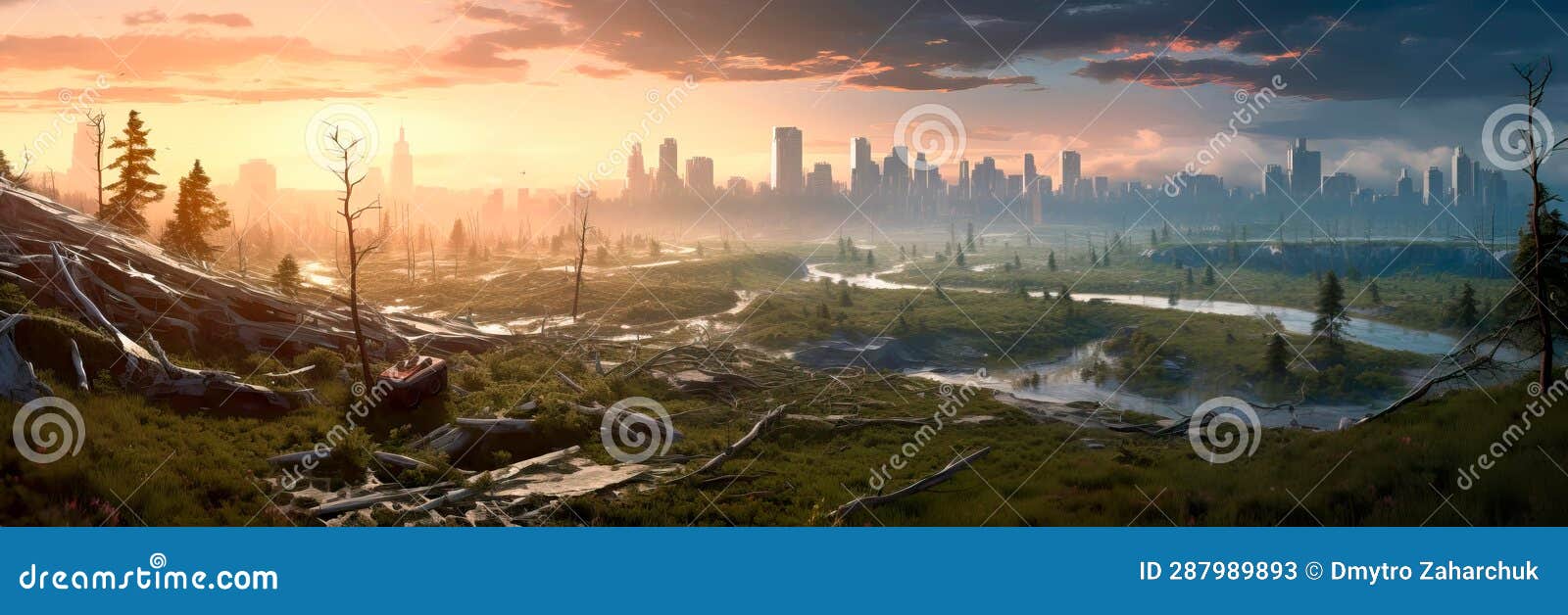
The spotted owl, a creature of twilight and ancient forests, finds itself in a precarious dance with progress. As cities sprawl like ink on parchment, swallowing meadows and woodlands into their concrete embrace, this elusive bird of prey faces a silent siege. What happens when the last bastions of old-growth forests—its sanctuary—are carved into parking lots and subdivisions? The answer is a tale of resilience, loss, and the unyielding march of urbanization.
When Concrete Meets Canopy: The Unseen War on Spotted Owl Habitats
Picture this: a pair of spotted owls, their feathers a mottled tapestry of earth and shadow, perched on the gnarled branch of a thousand-year-old Douglas fir. Below them, the forest hums with life—lichen-draped trunks, mossy undergrowth, and the distant chatter of squirrels. Now, fast-forward to the present. The forest is a memory. In its place stands a grid of cul-de-sacs, a highway cloverleaf, and the hum of traffic. The owls? They’re gone, vanished like mist at dawn.
Urban sprawl is not merely an expansion of concrete and steel; it’s a voracious appetite for land, one that gobbles up the quiet, the wild, and the untamed. For the spotted owl, a species already teetering on the edge due to historical logging, this encroachment is the final blow. These birds are not just territorial—they are ecological anchors, their presence a barometer of forest health. When their habitats shrink, so does the biodiversity that thrives beneath their watchful gaze.

From Old-Growth to Outskirts: The Fragmentation of a Kingdom
The spotted owl’s domain is not just any forest—it’s the deep, dark heart of old-growth woodlands, where trees stand like sentinels and the air is thick with the scent of damp earth and pine. These forests are not merely collections of trees; they are living cathedrals, their canopies so dense that sunlight barely pierces the gloom below. But urban sprawl doesn’t respect such sanctuaries. It nibbles at the edges, then devours whole, leaving behind a patchwork of isolated forest fragments.
This fragmentation is a death knell for spotted owls. These birds are creatures of habit, their lives woven into the fabric of their territory. A single highway cutting through their habitat can disrupt their hunting grounds, their nesting sites, and their ability to find mates. Studies show that even small clearings can isolate owl populations, leading to inbreeding and genetic decline. It’s as if a once-unified kingdom is being carved into tiny, ungovernable city-states—each too small to sustain its people.
The Silent Victims: How Urban Noise Drowns Out Survival
Imagine trying to court a mate, hunt for prey, or raise your young while the world around you roars with the cacophony of engines, sirens, and construction. For spotted owls, urban sprawl doesn’t just steal their land—it drowns out their voices. Their haunting, four-note call, a melody of the wilderness, is now often drowned beneath the din of human activity.
Noise pollution is a silent killer. It disrupts communication, masks the sounds of approaching predators, and forces owls to expend energy avoiding disturbances rather than hunting or nesting. In some cases, urban noise has been shown to alter the behavior of wildlife, pushing species like the spotted owl into suboptimal habitats where survival rates plummet. It’s a cruel irony: the very expansion meant to improve human lives is erasing the symphony of the wild.
Prey in Peril: The Domino Effect of Habitat Loss
The spotted owl is a gourmand of the night, feasting on flying squirrels, woodrats, and other small mammals that thrive in old-growth forests. But as urban sprawl gobbles up these forests, the owl’s prey faces its own existential crisis. Flying squirrels, for instance, rely on the lichen and fungi that grow only in ancient trees. Remove the trees, and you remove the squirrels—and with them, the owls’ next meal.
This is the insidious nature of habitat loss: it doesn’t just affect one species. It triggers a domino effect, toppling the delicate balance of an ecosystem. When prey populations decline, owls must travel farther for food, increasing their risk of predation or starvation. Meanwhile, invasive species—rats, raccoons, and domestic cats—move into the void, outcompeting the owls for resources. It’s a grim reminder that nature doesn’t operate in silos. Every loss echoes.
Can We Build a Future Where Cities and Owls Coexist?
The question isn’t whether urban sprawl will continue—it’s whether we can reimagine our cities to leave room for the wild. Greenbelts, wildlife corridors, and sustainable development aren’t just buzzwords; they’re lifelines. Cities like Portland, Oregon, have experimented with urban growth boundaries, preserving green spaces that allow wildlife to thrive alongside human expansion. But these efforts are often met with resistance from developers and policymakers who prioritize short-term gains over long-term survival.
What if, instead of paving over forests, we designed cities that mimic the natural world? Imagine rooftop gardens teeming with life, vertical forests that double as owl nesting sites, and highways lined with native plants to support prey species. It’s not a fantasy—it’s a necessity. The spotted owl’s fate isn’t sealed yet, but it demands bold action, not half-measures.
The choice is ours: a world where the only spotted owls left are in photographs, or a world where concrete jungles coexist with ancient forests. The latter isn’t just possible—it’s imperative.