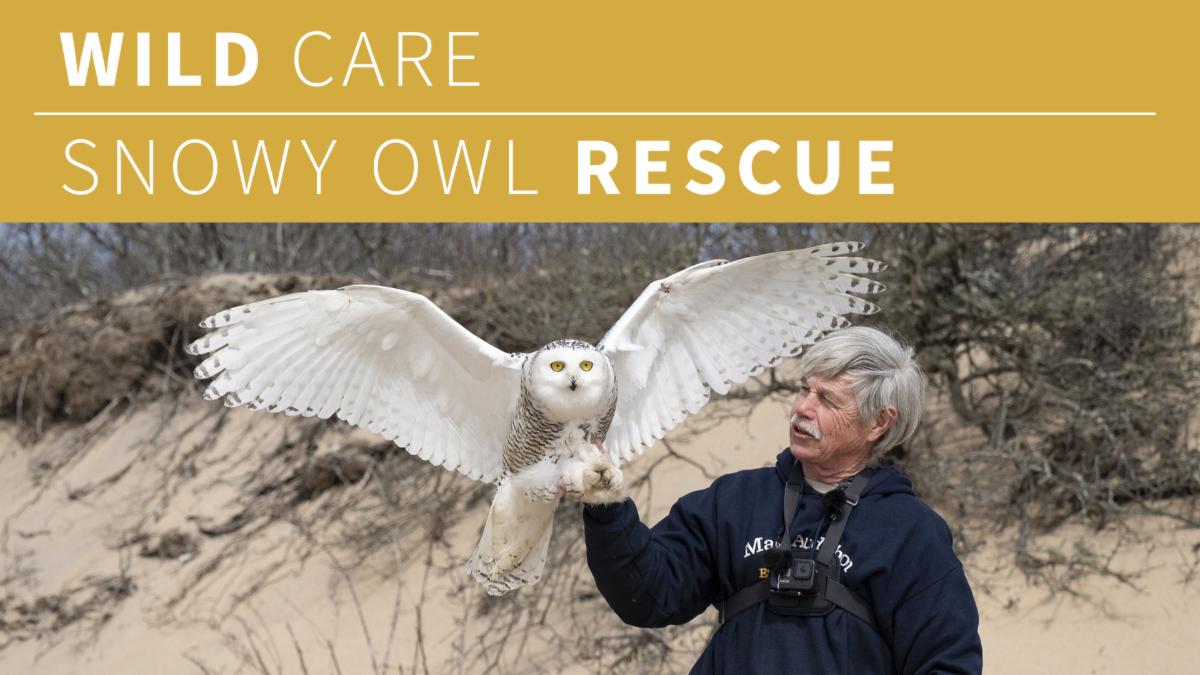
There is something undeniably captivating about the snowy owl. Its ghostly white feathers, intense amber eyes, and ethereal presence evoke a sense of mystique and wonder that draws us in, time and time again. But beyond their arresting appearance lies a fragile wild creature, often vulnerable to the ravages of injury, habitat loss, and human interference. The challenges faced in rehabilitating these majestic birds are complex, demanding innovative approaches and unwavering dedication. Among the tools emerging from this modern era is 3D printing, a technology that is subtly but profoundly revolutionizing the way snowy owls are nurtured back to health. This blend of high technology and conservation passion offers a beacon of hope, shining light on the intricate dance between nature and human ingenuity.
The Captivating Challenge of Snowy Owl Rehabilitation
Snowy owls are enigmatic denizens of the north, expertly adapted to intense cold and open tundra landscapes. Their rehabilitation presents unique challenges due to their delicate physiology, specialized dietary needs, and the environmental specificity essential for their survival. When rescued from injury or illness, these birds require precise care, often necessitating customized solutions that conventional veterinary tools and methods fail to provide. The delicate structure of their talons, beaks, and feather arrangements often demands prosthetic support or protective measures, without which recovery may be hindered or even impossible.
Compounding this complexity is the owl’s innate sensitivity to stress, which can exacerbate injuries or provoke behavioral changes detrimental to reintegration into the wild. Traditional rehabilitation practices, while effective to a degree, sometimes fall short in tailoring interventions that are anatomically and functionally congruent with these avian marvels. Here, the mysterious allure of the snowy owl intertwines with much deeper biological needs—needs that beckon for innovative solutions.
3D Printing: The Convergence of Art and Science in Wildlife Care
3D printing, or additive manufacturing, has seamlessly transitioned from industrial and design niches into the realm of wildlife rehabilitation. This technology offers an unprecedented ability to produce bespoke, intricate components that can mimic biological structures with astonishing precision. For snowy owls, 3D printing facilitates the creation of custom prosthetics and supportive devices that align perfectly with their unique anatomy.
The process begins with detailed 3D scanning of an injured owl’s affected limb or body part, capturing minuscule contours and dimensions that traditional molds could never replicate with such fidelity. From these scans, digital models are engineered and refined, often utilizing biomimetic principles that emulate natural biomechanics. The resultant print material, often lightweight yet durable polymers or composites, ensures that the devices integrate comfortably and functionally with the bird’s physiology.
This marriage of digital accuracy with material innovation not only expedites the production timeline but also enhances the therapeutic outcome—owls can regain mobility and dexterity in ways previously deemed unattainable. More than just mechanical aids, these 3D printed components become extensions of the owl itself, attuned to its survival instincts and daily rituals.
Restoring Flight and Functionality with Precision Prosthetics
Flight is the essence of a snowy owl’s existence. When wing injuries restrict this vital ability, their prospects dim significantly. Traditional splints or casts can repair fractures but often lack the sophistication needed to replicate the complex biomechanics of a raptor’s wing. This is where 3D printed prosthetics shine brilliantly.
Using customized digital models, prosthetic wings or wing supports can be fabricated to restore natural aerodynamics and movement ranges. These designs consider feather placement, joint articulation, and load distribution, minimizing discomfort and allowing rehabilitated owls to practice flight exercises within controlled environments. The impact of these innovations is measurable in improved recovery rates and enhanced psychological well-being; flight control is intertwined with confidence and survival instincts.
Moreover, 3D printing enables iterative adjustments. As the owl heals, prosthetics can be modified or replaced quickly, adapting to changes in the bird’s physical condition. This dynamic responsiveness outperforms static traditional solutions, underscoring the technology’s transformative promise.
Enhancing Enclosures and Environmental Enrichment
Beyond prosthetics, 3D printing empowers rehabilitators to revolutionize the living environments crafted for recovering snowy owls. Enclosures must mimic natural habitats, not just in space but also in complexity and sensory stimulation. Custom perches, feeding platforms, and enrichment tools can be rapidly produced to suit specific behavioral needs and physical limitations.
For example, textured perches with precise diameters support healthy foot structure and ease of grip. Toys or puzzle feeders tailored with 3D printed parts encourage cognitive engagement, a crucial factor in reducing rehabilitation stress and preparing owls for eventual return to the wild. Such specialized devices also cater to injured birds who may have limited mobility or specific therapeutic requirements.
These enhancements elevate the quality of care significantly, recognizing the owl’s need for mental and physical stimulation. The technology’s flexibility translates to greater creativity and adaptability in designing environments where healing transcends mere survival to embrace true rehabilitation.
Future Horizons: Integrating Bio-Inspired Design and Bioprinting
The unfolding potential of 3D printing in snowy owl rehabilitation hints at even more profound intersections between biomimicry and technology. Researchers are exploring bio-inspired designs that replicate not only form but also the responsive properties of natural tissues. Advances in bioprinting—layering living cells to create regenerative scaffolds—could one day offer direct tissue repair or augmentation for injured wings and talons.
Such developments could eradicate current limitations of synthetic prosthetics by encouraging true biological integration, fostering healing at a cellular level rather than merely compensating for lost function. The allure of snowy owls would then be mirrored in the elegance of science, blurring the boundaries between organic and engineered life.
This paradigm shift will demand multidisciplinary collaboration—bringing together wildlife biologists, engineers, material scientists, and veterinarians—to devise solutions that honor both the complexity of avian biology and the marvels of modern technology.
A Testament to Compassion and Innovation
At its heart, the use of 3D printing in snowy owl rehabilitation exemplifies a profound empathy matched with unrelenting innovation. It addresses a common admiration for these stunning creatures, while peeling back layers of complexity to reveal the intricate tapestry of survival challenges they face. The fascination with snowy owls thus becomes a catalyst, inspiring inventive solutions that safeguard their existence.
Through this lens, 3D printing is more than a tool—it is a testament to the possibilities that emerge when human creativity meets natural resilience. Each therapeutic device crafted, every customized perch designed, contributes to a larger narrative of hope, bridging the gap between vulnerability and vitality. In the delicate embrace of technology, snowy owls find new wings to rise again.