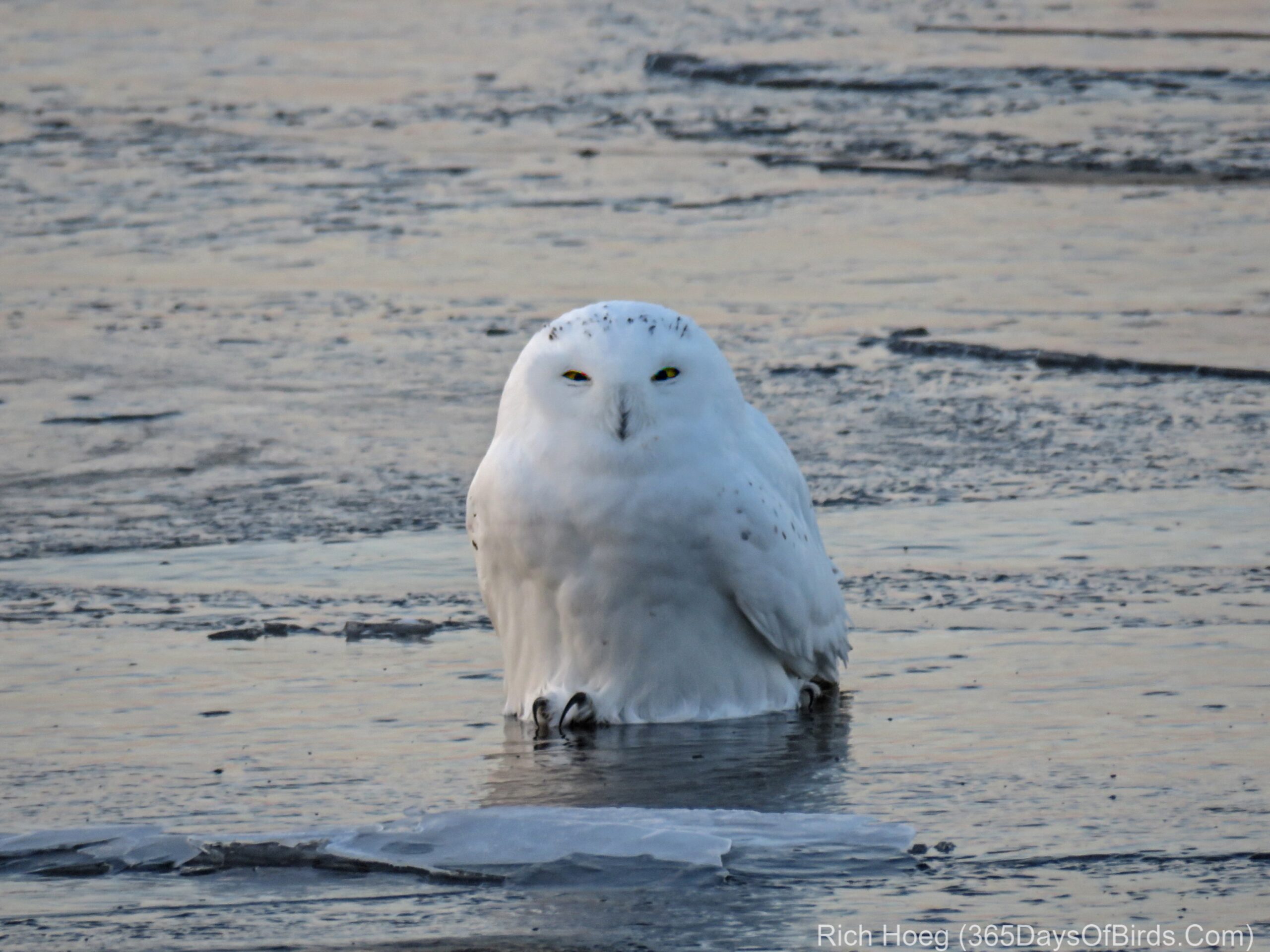
In the vast, frostbitten cathedrals of the Arctic tundra, where the horizon dances with endless white and the silence is broken only by the whisper of the wind, the Snowy Owl reigns as a spectral sovereign. These creatures, with their ghostly plumage and piercing eyes, embody the harsh beauty and fragility of the polar wilderness. Yet, beneath their ethereal veneer lies a vulnerability that calls for vigilant guardianship. Snowy owl rehabilitation is a beacon of hope, a delicate weaving of science, compassion, and tenacity aimed at restoring these majestic birds to their rightful throne in the icy wilds.
The Arctic’s Winged Phantom: Understanding the Snowy Owl
The Snowy Owl, or Bubo scandiacus, is not merely a bird but a living paradox—a harbinger of winter adorned in feathers as white as the Arctic snow itself. Their plumage acts as an exquisite cloak of invisibility, allowing them to blend seamlessly into the frozen tapestry of their habitat. But this adaptation, while wondrous, also masks the silent hardships these creatures endure. With a wingspan that speaks of both grace and power, they navigate brutal winters and summer storms, their survival deeply intertwined with the unpredictable rhythms of the tundra’s ecosystem.
However, the stunning beauty of these “ghosts of the north” belies the dangers they face. From environmental changes and diminishing prey to human-induced threats such as habitat encroachment, Snowy Owls’ existence teeters on a precipice. In such an unforgiving milieu, injury or illness too often spells a death sentence—unless a lifeline is extended through dedicated rehabilitation efforts.
Injuries in a Frozen Kingdom: Challenges Facing Snowy Owls
The natural world is ruthless, and Snowy Owls are no strangers to the bane of injury. Fractured wings, puncture wounds, and chronic illnesses can devastate their ability to hunt, migrate, and ultimately survive. Their habitat, a vast expanse of ice and stone, is both sanctuary and crucible, where even minor wounds can spiral into life-threatening afflictions amid subzero temperatures.
Collisions with vehicles, entanglements in wires, and accidental falls during fledging are common culprits of trauma in these owls. Furthermore, climate change exacerbates these challenges by disrupting prey populations like lemmings, forcing owls to venture into human-inhabited areas where perils abound. Injured owls, struggling not only with pain but with impaired mobility, face a brutal race against time—where survival often hinges on the intervention of human stewards who blend expertise with empathy.
The Art and Science of Rehabilitation: A Symphony of Care
Rehabilitating a Snowy Owl is akin to orchestrating a delicate symphony, where each note—the medical treatment, nourishment, behavioral therapy—must harmonize perfectly. Upon rescue, a thorough veterinary assessment is paramount. Fractures demand precise stabilization; infections require targeted antibiotic regimens, while malnutrition is countered with carefully calibrated feeding plans that mimic their natural diet. This phase is a testament to the intersection of avian medicine and patient, painstaking care.
But rehabilitation transcends cure. It is a transformative odyssey where the owl is gradually reintroduced to the skills critical for wild survival: hunting prowess, flight stamina, and wariness. Enclosures mimic the Arctic’s open expanse, enabling the birds to exercise their wings and sharpen reflexes. The caregivers become silent mentors, striking a balance between involvement and fostering independence. Healing, in this context, is both corporeal and instinctual.
Releasing the Trusty Sentinel: The Emotional Pinnacle of Rehabilitation
After weeks or months of careful tending, the moment arrives when the rehabilitated Snowy Owl must be returned to the wilderness—a pivotal rite of passage. This release is not merely an act but a profound ritual where science yields to respect for nature’s sovereignty. The chosen site often mirrors the owl’s original habitat, ensuring familiarity with terrain and prey availability.
Watching an owl ascend into the polar sky is an awe-inspiring spectacle. It embodies resilience and rebirth, an avian phoenix rising from hardship to reclaim its ethereal dominion. Yet, this moment carries an undercurrent of hope tempered with uncertainty; the wild remains a realm of endless challenges. The success of such releases hinges on rigorous post-release monitoring, deploying tracking technologies to glean insights and refine future interventions.
A Collective Commitment: Community and Conservation Efforts
Rehabilitating Snowy Owls is not a solitary endeavor. It is the nexus of an extensive network comprising wildlife rehabilitators, veterinarians, scientists, indigenous communities, and conservationists. Indigenous knowledge, passed through generations, often guides understanding of owl behavior and habitat nuances, enriching rehabilitation methodologies. Meanwhile, educational outreach galvanizes public awareness about the plight of these enigmatic birds, nurturing stewardship and reducing inadvertent human harm.
Conservation programs support habitat preservation and advocate for policies mitigating climate change impacts—critical in securing the long-term viability of Snowy Owls. Research initiatives delve into the intricate ecology of the Arctic, informing adaptive management strategies. This multifaceted approach emphasizes that rehabilitation is both a compassionate act and a crucial cog in a grander scheme of environmental guardianship.
The Unique Appeal of Snowy Owl Rehabilitation
What renders Snowy Owl rehabilitation uniquely captivating is its profound blend of raw natural beauty and intricate human empathy—a narrative woven across frozen landscapes where every rescued owl symbolizes defiance against overwhelming odds. These birds encapsulate a paradox of fragility and majesty, elusive spirits tethered precariously to life by threads of human compassion and scientific acumen.
This endeavor is more than avian medicine; it is an epic tale of restoration, where each feather patched and each wing healed rekindles a fragment of the Arctic’s soul. It summons us to witness the delicate dance between survival and extinction, compelling a deeper reverence for wildness and an urgent call to defend it.
The rescue and rehabilitation of Snowy Owls serve as a luminous testament that even in the starkest realms, compassion can carve a sanctuary. They remind us that alongside the raw forces of nature exists a realm of hope—a powerful, stirring narrative written on wings edged with ice and hope.