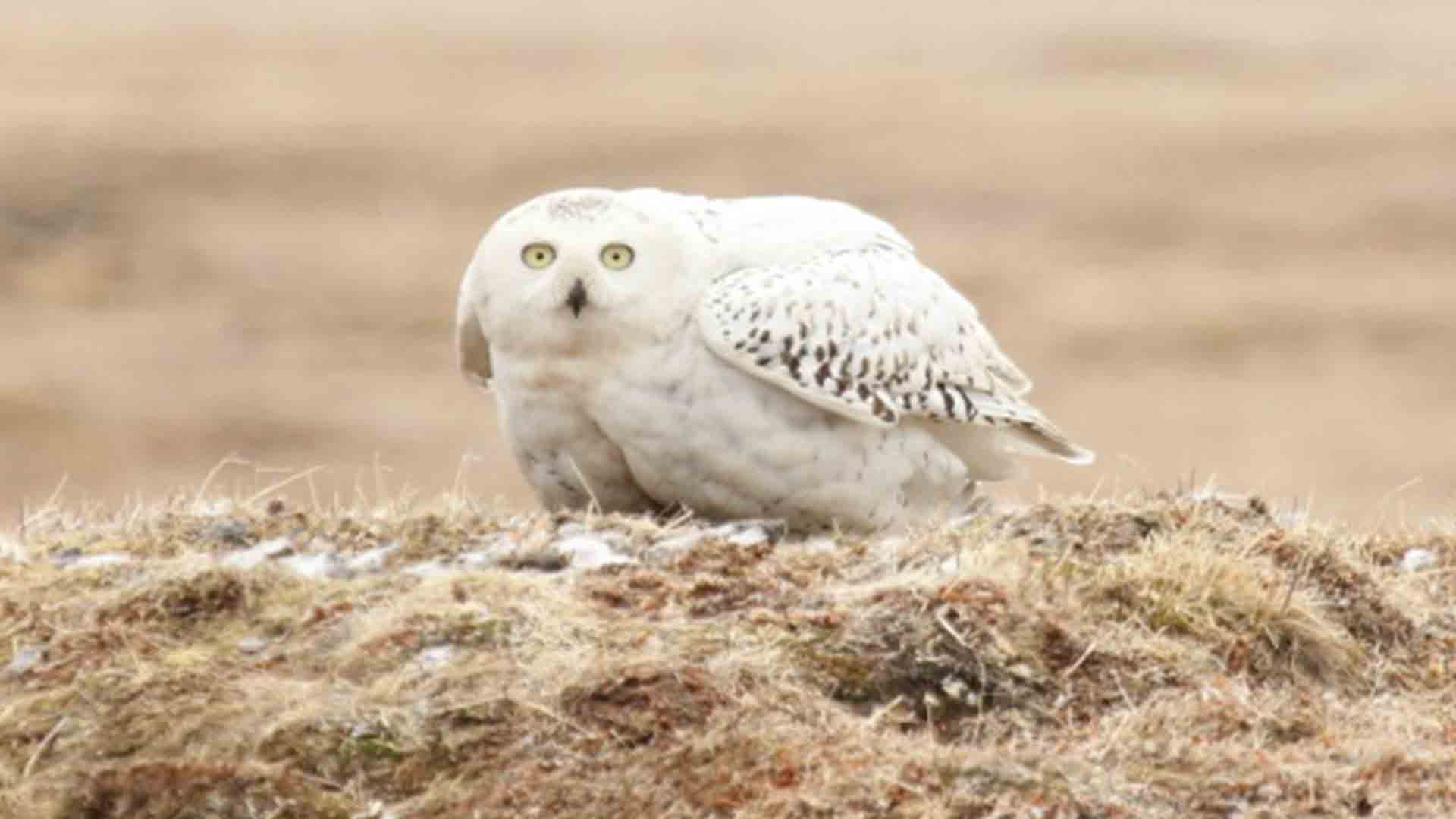
Have you ever wondered what happens when the icy foundations of the Arctic begin to surrender to creeping warmth? Imagine the cool, silent world of the snow-cloaked tundra suddenly shifting beneath your feet. For the majestic snowy owl, a sentinel of the frozen wastelands, this isn’t just a curious marvel but a looming challenge—one that threatens the very sanctity of its nesting grounds. As the permafrost thaws, it’s rewriting the story of survival and reshaping habitats in profoundly unsettling ways.
Unraveling the Arctic’s Frozen Time Capsule: What is Permafrost?
Permafrost, that enigmatic layer of soil and rock perpetually locked in subzero embrace, serves as the Arctic’s foundational bedrock. It’s a geological chronicle, preserving millennia of organic matter and stabilizing the landscape above it. This frozen ground extends from the surface to depths often exceeding hundreds of feet, encapsulating a delicate equilibrium of ice, soil, and organic remnants.
For the snowy owl, the permafrost indirectly crafts the very contours of its nesting sites. These owls rely on elevated, dry tundra patches, often underlain or bordered by frozen earth, where they can lay eggs safely above floodwaters and predators. This icy shelf is not just a backdrop but a crucial habitat engineering component forged by thousands of years of climatic stasis.
The Slow Melt: How Thawing Permafrost Transforms the Tundra Landscape
Yet, as global temperatures stealthily climb, permafrost is losing its icy grip. This thaw is not a mere melting of ice; it engenders profound geomorphological repercussions. The subsoil’s thawing releases trapped water, leading to ground subsidence, slumping, and the formation of thermokarst features such as sinkholes and uneven terrains.
Such transformations create a patchwork of unstable ground, reshaping the tundra into a mosaic of saturated wetlands and eroded mounds. The static, familiar terrain that snowy owls have grown accustomed to starts to shift unpredictably. What once served as reliable nesting islands now become prone to flooding or collapse, threatening nest integrity and hatchling survival.
Snowy Owl Nesting Habits: A Delicately Balanced Dance with the Arctic Environment
Snowy owls are consummate adaptors, yet they depend heavily on a finely tuned environment for reproductive success. Generally, they select elevated scrapes on the tundra, often near prey-rich areas where lemmings abound. These nests are open, shallow depressions lined with down and feathers—vulnerable structures precisely positioned to optimize warmth and concealment.
Because snowy owls do not build elaborate nests, the physical stability and dryness of the ground is paramount. They require firm substrates that remain frost-bound well into the breeding season. Flooding or erosion caused by thawing permafrost can inundate these nests, destroy eggs, or render sites unusable altogether.
Ecological Dominoes: Ripple Effects of Permafrost Thaw on Prey Availability
The snowy owl’s reproductive success is intricately linked to prey abundance, especially cyclic populations of small mammals like lemmings. Thawing permafrost also disturbs these populations by altering vegetative patterns and soil conditions. The greening tundra might seem beneficial, but it changes the distribution and abundance of key prey species, disrupting the ecosystem’s nutrient and energy flows.
With shifting prey dynamics, snowy owls face the dual dilemma of impaired nesting habitat and diminished food availability. This dual stressor amplifies reproductive failures and jeopardizes juvenile survival, potentially precipitating population declines.
Rising Waters and Changing Climates: The Threat of Increased Flooding
As permafrost thaws, the ground’s ability to absorb and retain water deteriorates. This leads to increased surface runoff and pooling, creating flood-prone conditions during the critical nesting period. Snowy owl nests, typically found on flat or gently sloping tundra, become vulnerable to inundation, leading to egg loss or forcing owls to abandon otherwise suitable nesting territories.
Moreover, warmer temperatures may cause earlier snowmelt, resulting in mismatched timing between prey availability and nesting seasons. The snow cover, vital for thermal insulation of nests, diminishes prematurely, exposing eggs and young chicks to harsher elements.
Behavioral and Adaptive Responses: Can Snowy Owls Keep Pace?
Nature is not without its resilience. Some snowy owls demonstrate remarkable plasticity, occasionally adapting nesting behaviors or relocating to marginal habitats. There are observations of overwintering in more temperate zones or shifting breeding ranges northward. However, these shifts may be met with unknown hazards such as increased competition, predation, and habitat fragmentation.
Yet, the question remains: can these majestic birds evolve fast enough to counterbalance the swift environmental upheaval? The mismatch between rapid permafrost degradation and slower biological adaptation presents a formidable conservation conundrum.
Conservation Implications and the Urgency of Arctic Stewardship
Thawing permafrost is more than a scientific curiosity—it is a clarion call for urgent ecological stewardship. Conserving snowy owl habitats requires integrative approaches that prioritize climate mitigation and Arctic ecosystem resilience. This includes monitoring permafrost dynamics, identifying critical nesting sites vulnerable to thaw-induced degradation, and supporting adaptive conservation strategies.
Preserving these iconic creatures entails safeguarding the frozen landscapes they depend upon. It implores broader recognition of the interconnectedness of climate processes and wildlife conservation, demanding global commitments to curb warming and sustain Arctic biodiversity.
Conclusion: The Frozen Future Unfolding Beneath Our Feet
The thawing permafrost is an unfolding saga of transformation—one fraught with hidden dangers and compelling complexities. For the snowy owl, the silent arbiter of Arctic skies, these changes are redefining their breeding territories and, possibly, their survival itself. In this delicate dance of ice and warmth, the future of snowy owl nesting grounds hangs in a fragile balance, challenging us to act with urgency, insight, and profound respect for the frozen world’s timeless rhythms.