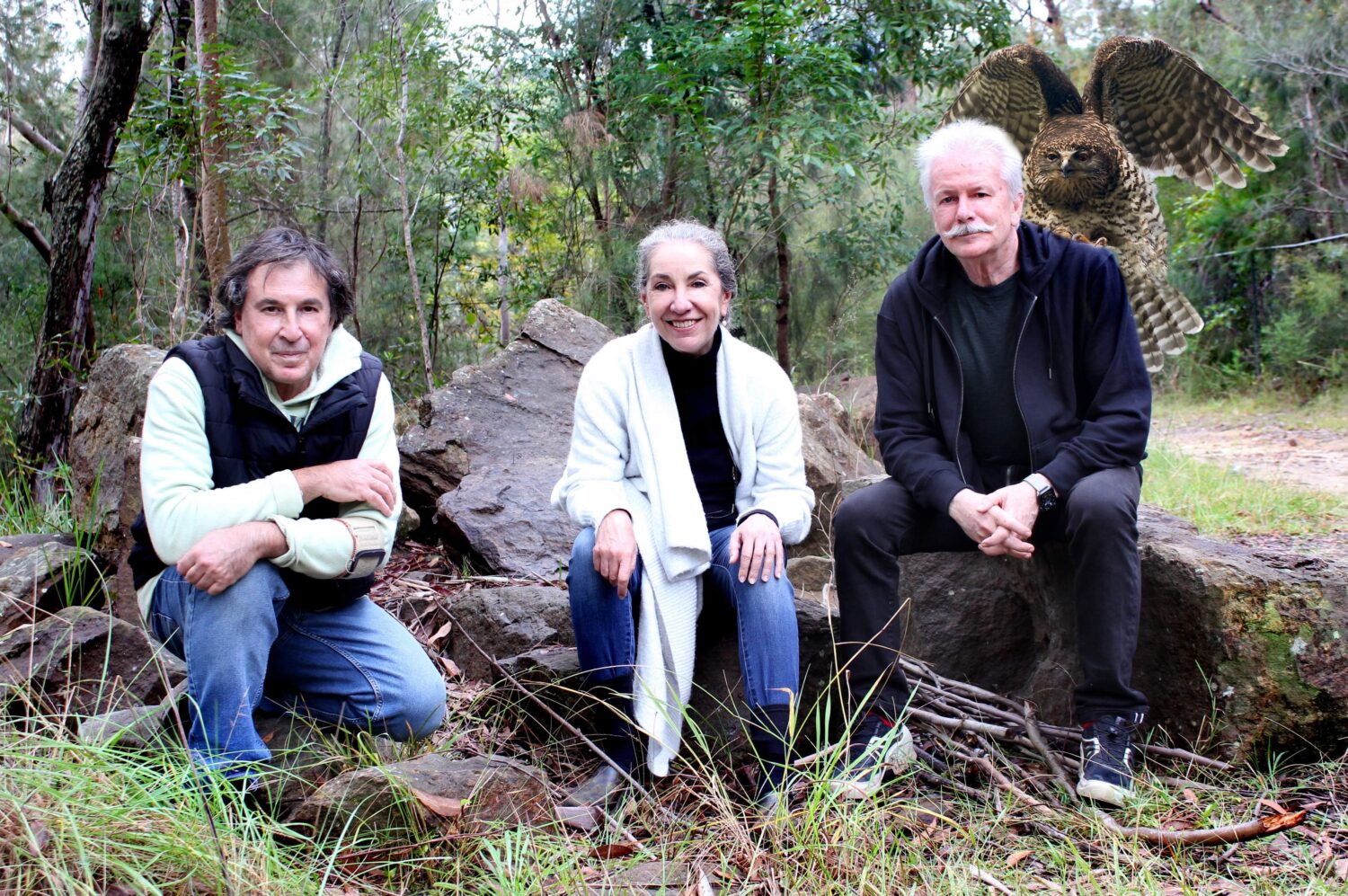
The Pacific Northwest’s emerald forests hum with secrets—whispers of wings cutting through twilight, the soft rustle of feathers against mossy bark, and the occasional, haunting trill of a spotted owl. For decades, these elusive birds have been the stuff of conservation lore, their presence a barometer of ecological health. But now, a quiet revolution is unfolding. Citizen science, that grassroots alchemy of curiosity and collaboration, is transforming how we perceive and protect these nocturnal sentinels. No longer confined to the ivory towers of academia or the narrow lenses of paid researchers, the tracking of spotted owls has become a communal endeavor—one that invites hikers, birders, and even suburban dwellers to become stewards of the wild. This is not merely data collection; it’s a paradigm shift, a democratization of knowledge that could redefine our relationship with the natural world.
The Silent Decline: Why Spotted Owls Matter More Than Ever
Spotted owls are more than just charismatic megafauna; they are ecological keystones, their survival intricately woven into the tapestry of old-growth forests. The northern spotted owl (*Strix occidentalis caurina*), in particular, has become a symbol of the Pacific Northwest’s ecological fragility. Once thriving in the dense canopies of ancient Douglas firs and redwoods, these birds now face a gauntlet of threats: habitat fragmentation, climate change, and the relentless march of urban sprawl. Their decline is not just a tragedy for biodiversity—it’s a canary in the coal mine, signaling the unraveling of entire ecosystems.
Yet, their story is not one of inevitable doom. Where traditional research methods have struggled to keep pace with the owls’ elusive nature, citizen science offers a lifeline. By enlisting the public in the quest to locate, monitor, and study these birds, we’re not just gathering data—we’re fostering a collective sense of responsibility. Every call-and-response of a spotted owl heard through a smartphone app, every nest cavity logged by a weekend naturalist, becomes a thread in a larger narrative of conservation. This is science as activism, where every participant is both observer and advocate.
From Backyard Birders to Data Warriors: The Citizen Science Revolution
The rise of citizen science in owl tracking is nothing short of a quiet insurgency. Platforms like eBird, iNaturalist, and specialized apps like *Owl Citizen Science* have turned passive observers into active participants. No longer are these tools the domain of seasoned ornithologists; they’re accessible to anyone with a smartphone and a pair of binoculars. The beauty of this approach lies in its inclusivity. A retiree in Portland might log a sighting in the Columbia River Gorge, while a high school student in Seattle records the call of an owl in the Olympic Peninsula. The data, once scattered and siloed, now converges into a cohesive, real-time map of owl distribution and behavior.
But this revolution isn’t just about numbers—it’s about perspective. When a birder in Oregon hears the distinctive four-note hoot of a spotted owl and uploads it to a database, they’re not just contributing to a spreadsheet. They’re becoming part of a story that stretches across generations. They’re connecting with the land in a way that transcends passive appreciation. This is the power of citizen science: it transforms abstract ecological concerns into tangible, personal experiences. The owl’s call is no longer a distant mystery; it’s a call to action.
The Tools of the Trade: How Technology Empowers the Masses
The tools enabling this shift are as varied as the landscapes they’re used in. Audio recorders, once the domain of specialized researchers, are now affordable and user-friendly. Apps like *Merlin Bird ID* can identify owl calls in real-time, turning even novices into instant experts. Drones equipped with thermal imaging have revolutionized nest surveys, allowing volunteers to locate occupied cavities without disturbing the birds. And then there are the low-tech marvels: simple nest boxes, strategically placed in areas where natural cavities are scarce, provide safe havens for owls while giving citizen scientists a front-row seat to the drama of fledgling season.
But perhaps the most transformative tool is the humble smartphone. With GPS tagging, photo uploads, and instant data sharing, these devices have democratized fieldwork. A hiker stumbling upon an owl pellet in the Mount Rainier wilderness can photograph it, geotag it, and upload it to a database in seconds. That pellet, once a curiosity, becomes a clue—a fragment of bone or fur that can be analyzed to reveal the owl’s diet. This is science at the speed of life, where every observation, no matter how small, contributes to a larger mosaic of understanding.
Challenges and Ethical Dilemmas: The Dark Side of Crowdsourced Data
Of course, no revolution is without its shadows. The democratization of owl tracking brings with it a host of ethical dilemmas. How do we balance the need for data with the imperative to protect these birds from disturbance? The Pacific Northwest’s forests are not just ecological systems; they’re sacred spaces for Indigenous communities, and the presence of citizen scientists must be navigated with cultural sensitivity. There’s also the risk of data overload—how do researchers sift through the deluge of observations to extract meaningful insights? And then there’s the question of equity: who gets to participate in this movement, and who is left behind?
These challenges are not insurmountable, but they demand thoughtful solutions. Protocols for responsible wildlife observation must be embedded into every citizen science platform. Indigenous knowledge must be centered, not sidelined. And researchers must collaborate with communities to ensure that the data collected serves not just scientific goals, but the broader mission of conservation justice. The goal is not just to track owls, but to do so in a way that honors the land, the birds, and the people who call these forests home.
The Ripple Effect: How Citizen Science Changes Us
The true promise of citizen science lies not in the data it produces, but in the transformation it fosters. When people step into the role of scientist, they don’t just collect information—they develop a deeper connection to the natural world. A birder who once saw owls as distant, mythical creatures might now recognize individual birds by their calls. A family that participates in a nest box project might instill in their children a lifelong reverence for wildlife. This is the alchemy of citizen science: it turns observers into advocates, and data points into stories.
Consider the case of the *Spotted Owl Ambassadors*, a group of volunteers in Washington State who have dedicated themselves to monitoring owl nests in the Cascades. Their work has not only contributed to critical research but has also inspired local communities to take action. When a nest is threatened by logging, these ambassadors become the voice of the owls, rallying support for habitat protection. They’re not just scientists; they’re guardians of the wild.
A Future Written in Feathers and Data
The story of spotted owls in the Pacific Northwest is still being written. But with citizen science as its pen, the narrative is shifting from one of decline to one of hope. The owls are no longer invisible; they are seen, heard, and valued. The forests are no longer just backdrops for human activity; they are living, breathing ecosystems that demand our attention and care.
This is the power of citizen science: it doesn’t just change how we study the world—it changes how we see ourselves within it. When we listen to the call of a spotted owl, we’re not just hearing a bird. We’re hearing a call to action, a reminder that the wild is not a place to visit, but a world to protect. And in that moment, we become something more than observers. We become stewards of the earth.