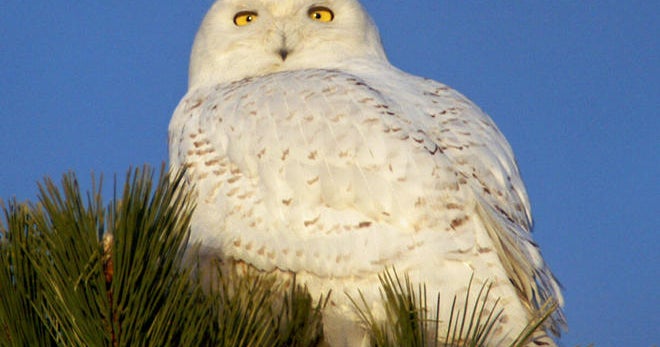
Every winter, residents and visitors of Central Park find themselves captivated by a rare visitor — the snowy owl. Its ghostly white feathers, piercing golden eyes, and almost mythical presence spark more than just admiration; they ignite a profound curiosity about the enigmatic journeys these birds undertake. Yet, beneath this simple awe lies a complex narrative of survival, adaptation, and vulnerability. The snowy owl stands not only as a masterful emblem of the Arctic wilderness but as an unwitting sentinel of climate change’s relentless advance. To truly understand why these majestic birds occasionally grace urban landscapes far south of their native habitats is to glimpse the deeper ecological upheavals reshaping our world.
The Snowy Owl: An Arctic Icon with a Storied Legacy
The snowy owl (Bubo scandiacus) is no ordinary raptor. Draped in pure white plumage dusted with charcoal flecks, it is uniquely adapted to the frigid tundra where it nests and hunts. This species flourishes in the high latitudes of the Northern Hemisphere, where the endless summer daylight allows it to hunt small mammals, chiefly lemmings, with remarkable precision. Their striking presence has woven itself into indigenous folklore and inspired awe among naturalists for centuries. Yet, the very ecosystem that nurtures the snowy owl’s lifeblood is imperiled by rapid environmental transformations, setting the stage for an unprecedented ecological drama.
A Familiar Sight in Unfamiliar Places: The Southern Excursions
Observers often notice snowy owls appearing in regions far removed from their traditional Arctic strongholds, from urban parks to highway shoulders in southern Canada and the northern United States. This phenomenon, known as an “irruption,” puzzles both experts and nature lovers alike. Why do these regal birds seemingly abandon their realms, wandering into areas mostly devoid of their usual prey? The answer is far from simplistic. These southbound journeys are not mere wanderlust; they are symptomatic of destabilized ecosystems, signaling distress in the Arctic’s finely balanced food web. The fluctuations in lemming populations, themselves affected by shifting snow cover and temperature extremes, force snowy owls into unfamiliar lands in search of sustenance.
The Invisible Hand of Climate Change on Arctic Ecosystems
Climate change permeates every aspect of the Arctic environment, from the melting permafrost to the thinning sea ice. These changes unravel the intricate tapestry of life that snowy owls depend upon. Lemming populations, which cyclically surge and plummet, have become increasingly unpredictable due to altered snow conditions and vegetation shifts. Warmer winters with less insulating snow cover expose lemmings to harsher conditions, curtailing their survival and reducing prey availability. Consequently, snowy owls face starvation or are compelled to venture southward in search of alternative food sources. This chain reaction exposes the owl not merely as a victim but also as a bellwether species, its movements and survival reflecting broader climatic disruptions.
Physiological and Behavioral Challenges in a Changing World
Adaptation is a hallmark of many species, yet the rapid pace of climate change challenges the snowy owl’s ability to adjust. Their seasonal breeding is tightly linked to prey abundance and environmental cues, which are becoming increasingly erratic. Early snowmelt or delayed winters can misalign breeding cycles, resulting in fewer successful hatchlings. Furthermore, as snowy owls extend their range southward, they encounter unfamiliar hazards including traffic, predation from species not native to the Arctic, and human disturbances. These stressors compound the effects of habitat loss and food scarcity, pushing the species toward new thresholds of vulnerability.
Conservation Efforts: Bridging Science and Stewardship
Protecting the snowy owl demands a multifaceted strategy that embraces both local action and global awareness. Arctic conservation initiatives focus on monitoring population trends, safeguarding breeding habitats, and mitigating climate impacts. Collaborative research endeavors have expanded our understanding of owl ecology and migratory patterns, enabling more informed management decisions. Moreover, urban communities play a surprising role, offering safe havens during irruption events through public education and habitat-friendly practices. However, without decisive action to curtail global greenhouse gas emissions, these efforts risk being overwhelmed by the magnitude of environmental change.
The Snowy Owl as a Symbol of Urgency and Hope
The snowy owl’s stark white form against winter’s canvas is more than a striking spectacle — it is an urgent messenger from the frontlines of climate change. Their journeys into cities, their struggles to find food, and their dwindling numbers encapsulate the fragility of Arctic ecosystems and, by extension, the planet’s health. Yet, within this somber narrative lies a call to collective awakening. The fascination sparked by a single snowy owl sighting can fuel a deeper commitment to stewardship and reverence for nature’s delicate balances. The owl’s resilience is inspiring, but it also challenges humanity to respond with equal tenacity.
Looking Forward: Coexisting with a Changing Arctic
As the climate continues to shift, the future of the snowy owl remains uncertain but not without hope. Advancements in conservation biology and climate science offer valuable tools to mitigate harm and promote resilience. Integrating indigenous knowledge provides vital insights into sustainable ecosystem management. Importantly, fostering public engagement ensures that these enigmatic birds continue to inspire wonder rather than sorrow. Each snowy owl sighting beyond its usual range is a poignant reminder — a reminder that the choices made today ripple across time and space, shaping the destinies of species both seen and unseen.
In the delicate interplay between snow and sky, predator and prey, resilience and vulnerability, the snowy owl lives as a living testament to nature’s complexity. Its story compels us to listen closely — not just to the silent wings slicing through crisp winter air, but to the urgent narrative of a world in flux, demanding care, understanding, and action.