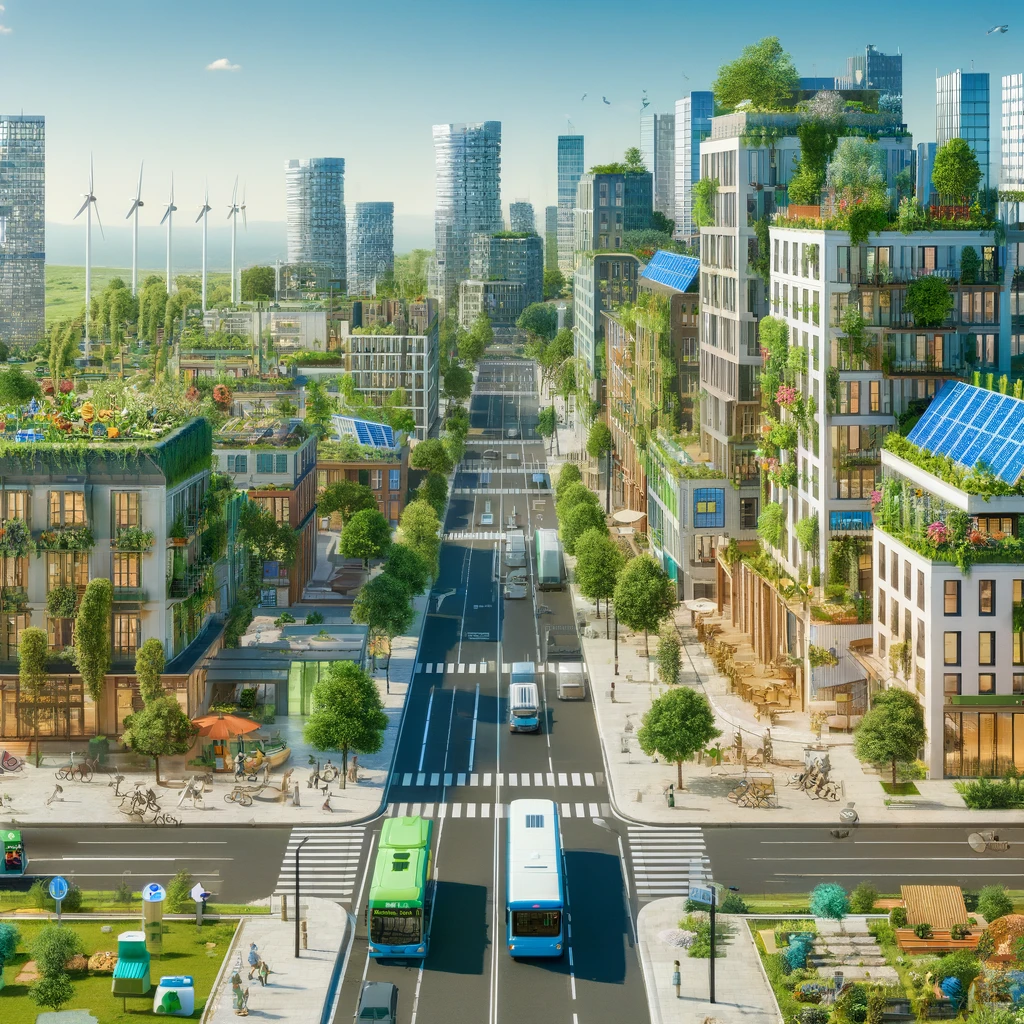
Amidst the ceaseless hum of urban life, the silent flight of owls often goes unnoticed, yet their presence within cityscapes has garnered a unique place in both our collective imagination and the evolving realm of urban planning. There is an almost mystical allure to these nocturnal sentinels—creatures of stealth, wisdom, and an enigmatic grace—that transcends mere curiosity. This fascination hints at a deeper, intrinsic yearning to weave nature’s intricate tapestries into the fabric of sprawling metropolises. As cities burgeon and ecosystems contract, the role of owls in shaping wildlife-sensitive urban planning emerges not just as an ecological concern, but as an emblematic bridge between civilization and wildness.
The Enigmatic Presence of Owls in Urban Environments
Owls have long been symbols embedded in cultural lore, representing wisdom, mystery, and the unseen forces of the night. Yet, beyond their symbolic stature lies a biological reality: many owl species have adapted unexpectedly well to urban settings. Their adept hunting skills, preference for secluded nesting sites, and resilience enable them to persist—and even thrive—in the shadows of concrete jungles. Observing their quiet flights across city parks, abandoned lots, or suburban woodlands may provoke a sense of wonder, but this observation also raises critical questions about urban biodiversity and habitat fragmentation.
These enigmatic raptors are not merely incidental visitors; their presence signifies the complex interplay between human development and wildlife ecology. The subtle strigiform silhouette perched high on an urban tree or gliding above dimly lit streets invites us to reconsider how cities accommodate, or fail to accommodate, non-human inhabitants. The fascination with owls is not just about their elegant form but about what they reveal concerning urban ecosystems’ health and resilience.
Ecological Roles of Owls in Urban Ecosystems
Any thoughtful urban planning initiative must acknowledge the ecological functions of resident fauna—owls included. These raptors serve as apex or mesopredators in many urban food webs, regulating populations of rodents and small mammals that proliferate in city environments. By naturally controlling pest species such as rats and mice, owls offer invaluable ecosystem services that can reduce the reliance on harmful pesticides and chemical interventions.
Their predatory presence promotes a balanced and self-regulating ecosystem—a vital consideration for sustainable urban design. The reduction of pest populations in turn supports human health and maintains the integrity of urban green spaces. Further, owls contribute to biodiversity, signaling the presence of a relatively intact ecological network. This nuanced role underscores the necessity for urban planners to integrate wildlife corridors, green roofs, and preserved woodlands into city layouts, ensuring these nocturnal guardians can continue their ecological duties.
Challenges Facing Owls Amidst Urban Expansion
Despite their adaptability, owls confront a multitude of challenges as urban sprawl relentlessly encroaches upon natural habitats. Habitat loss remains the most dire threat, with deforestation, land clearing, and infrastructural development eroding the nesting and hunting grounds essential for owl survival. Artificial lighting disrupts their nocturnal behaviors, disorienting hunting patterns and interfering with breeding cycles. Noise pollution further compounds these stresses, muffling the subtle auditory cues owls depend on for navigation and prey detection.
Moreover, collisions with vehicles and windows represent significant mortality factors, especially for species that have not evolved with human-built obstacles. The fragmentation of green spaces isolates populations, reducing genetic diversity and increasing vulnerability. These cumulative pressures demand innovative urban planning solutions that anticipate and mitigate adverse impacts, ensuring owls are not peripheral casualties in the story of city growth.
Incorporating Owls into Urban Design: Strategies and Innovations
Integrating owls into urban environments is both an ecological imperative and an imaginative challenge. Modern urban planning increasingly embraces “wildlife-sensitive” design principles that prioritize coexistence and habitat connectivity. Strategic planting of native trees, conservation of mature woodlands, and the creation of green corridors facilitate nocturnal movement and nesting opportunities. Installing artificial nesting boxes, tailored to species-specific needs, can supplement natural cavities lost to development.
Lighting design also plays a critical role. Utilizing downward-shielded, warm-spectrum lighting minimizes disturbance while preserving safety and aesthetics. Soundscape management aims to reduce noise pollution, creating sanctuaries where owls and other wildlife can perform their natural behaviors unimpeded. Encouraging community participation in monitoring and protecting urban owls fosters a sense of stewardship that bridges human and ecological interests.
Architectural innovations like green roofs and vertical gardens introduce microhabitats that support not only owls but a suite of urban wildlife. Additionally, urban planners incorporate buffer zones between high-traffic areas and natural habitats to prevent accidents and reduce stressors. The deliberate design of these elements reflects a paradigm shift—recognizing owls not as anomalies, but as vital urban inhabitants deserving mindful accommodation.
The Cultural and Psychological Resonance of Owls in Cities
The allure of owls extends beyond their ecological roles; they resonate deeply within human consciousness. Urban dwellers, increasingly detached from nature’s rhythms, find in owls a tangible connection to wildness and mystery. This connection fosters environmental empathy and a collective desire to protect the natural world embedded within urbanity. Owls, with their ghostly calls and shadowy silhouettes, evoke a sense of wonder that challenges the sterility of city life.
By integrating owls and other wildlife into urban planning, cities not only enhance biodiversity but also enrich the human experience. The presence of these creatures invites reflection on coexistence, resilience, and the often unseen threads linking all life. Their nocturnal journeys across our skylines are silent reminders of a shared planet, urging urban society to redefine progress not as domination but as harmonious stewardship.
Conclusion: Toward a Symbiotic Urban Future
The impact of owls on urban planning transcends simple conservation. It symbolizes a broader imperative to design cities that respect and incorporate the wildness that sustains them. Recognizing and facilitating the presence of owls within urban matrices compels a reimagining of development—one that balances growth with the persistence of nature’s nocturnal custodians. Through considered design, innovative policies, and cultural reverence, cities can evolve into spaces where humans and owls alike find sanctuary.
In the dance between steel and feather, light and shadow, lies the promise of a future where urban ecosystems flourish, enriched by the whispered flights of owls, guardians of both night and nature’s enduring spirit.