Have you ever wondered where mysterious owls choose to cradle their young, hidden away from prying eyes and the restless pulse of the modern world? The question might seem simple at first—don’t all owls just nest in trees? But the ecology of owl nesting unravels into a complex ballet of adaptation, survival, and habitat finesse. As these nocturnal sentinels stake their claims, they confront a surprising challenge: how to secure a safe haven in an ever-changing environment riddled with competition, predation, and human interference.
The Art of Choosing a Nesting Site: Beyond the Obvious Tree Cavities
Owls are often romanticized perched high in ancient trees, their hoots echoing through the dusk. Yet, their nesting preferences are far from monolithic. Many species exhibit remarkable flexibility, selecting from an eclectic array of sites that extend well beyond the familiar tree cavities. This choice is a dance driven by the availability of shelter, protection from predators, and microclimatic conditions conducive to raising vulnerable owlets.
Tree cavities, carved naturally through decay or excavated by other avian architects like woodpeckers, are prized for their insulation and concealment. These hollows provide an intimate refuge where temperature fluctuations soften, and predators struggle to breach. However, the scarcity of mature forests—those harboring old, cavity-rich trees—complicates this nesting option for many owl species.
Burrows and Ground Nests: Owls’ Unexpected Hideaways
Astoundingly, some owls eschew the verticality of trees altogether, opting instead for ground nests or burrows. The burrowing owl (Athene cunicularia), for example, is a master of subterranean nesting. Rather than laboriously excavating its own burrow, it capitalizes on abandoned tunnels dug by mammals such as prairie dogs or ground squirrels. These belowground nests protect vulnerable eggs from aerial predators and environmental extremes.
This unconventional strategy is a testament to the remarkable ecological plasticity of owls. Yet, it is not without hazards. Nesting at ground level amplifies exposure to terrestrial predators and requires strategic vigilance. The choice of burrows is often governed by the surrounding landscape—open grasslands and prairies—where tree cavities are an ecological luxury.
Artificial Nesting Boxes: A Modern Solution to Ancient Problems
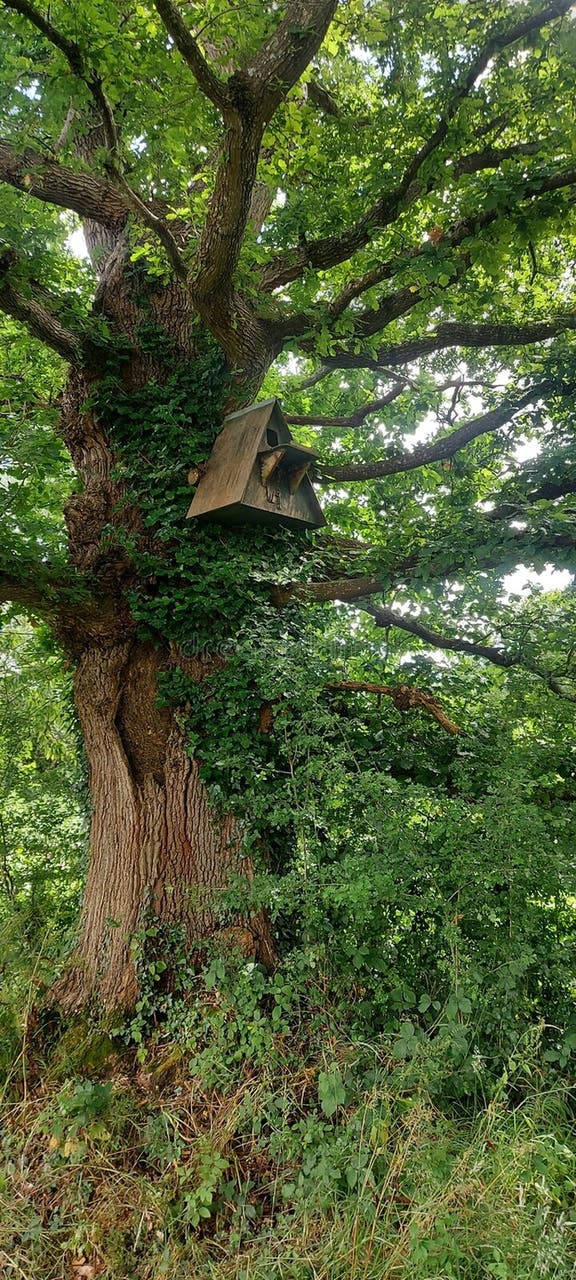
When nature’s architecture falls short, human ingenuity has stepped in to bridge the gap with artificial nesting boxes. These strategically placed sanctuaries mimic the protective qualities of natural cavities, offering owls a critical foothold in landscapes fragmented by urbanization and deforestation. Custom-designed nest boxes have become an emblem of conservation efforts, supporting population recovery and promoting scientific observation.
However, the implementation of artificial boxes introduces fresh complexities. Placement requires meticulous attention to height, orientation, and surrounding habitat to ensure acceptance by owls. Moreover, boxes must be maintained to prevent contamination and to deter invasive species such as squirrels or starlings from monopolizing the space. Despite these challenges, these boxes illuminate the interplay between ecosystem stewardship and adaptive wildlife behaviors.
The Role of Nesting Ecology in Owl Reproductive Success
Nesting ecology is not merely about site selection—it directly orchestrates reproductive success. The microhabitat chosen impacts egg incubation, chick development, and survival rates. Adequate shelter moderates thermal extremes, while secure locations diminish predation risks during the vulnerable incubation and fledgling phases.
For species reliant on tree cavities, competition is fierce. Squirrels, bluebirds, and other cavity-nesters vie for these limited sanctuaries, sometimes leading to aggressive encounters or eviction. The timing of breeding seasons also influences site availability; owls must often synchronize nesting efforts with the presence of vacant cavities, underscoring the intricate temporal rhythms of forest ecology.
Environmental Threats to Natural Nesting Sites
Anthropogenic pressures loom large over owl nesting ecologies. Logging operations decimate old-growth forests, removing the very trees that harbor perfect cavities. Urban sprawl fragments contiguous habitats into isolated patches, complicating movement and reducing the availability of prime nesting real estate. Even climate change shifts phenological cues, potentially desynchronizing breeding cycles from optimal environmental conditions.
These threats provoke cascading effects on owl populations, mandating conservation strategies that prioritize the preservation of nesting habitats. Restoration of natural cavities, protection of mature trees, and the integration of nest boxes all converge as critical tactics to buffer against these ecological upheavals.
Symbiotic Relationships and the Multifaceted Ecology of Nesting
Owl nesting ecology is embedded within a web of symbiotic associations. The presence of cavity-creating species, such as woodpeckers, directly influences nest availability. Likewise, soil engineers like burrowing mammals provide the physical infrastructure for burrow-nesting owls. This interdependence illuminates an often-overlooked nuance: the health of owl populations is entwined with the vitality of their ecological partners.
Disruption to one species reverberates through this intricate network, sometimes culminating in the loss of critical nesting sites. The dynamism of these multi-species interactions paints a compelling portrait of nature’s interconnectedness and underscores the delicate balance required for owl conservation.
Conclusion: Navigating Challenges and Embracing Adaptability
The ecology of owl nesting is a narrative shaped by resilience, adaptability, and, above all, the subtle art of survival. Whether nestled in an ancient tree cavity, secreted away in a belowground burrow, or inhabiting a carefully designed nesting box, owls reveal the profound complexity behind what might seem a simple act of raising young. By appreciating this multifaceted ecology, we not only enrich our understanding of these enigmatic birds but also galvanize efforts to preserve the habitats upon which their survival depends.