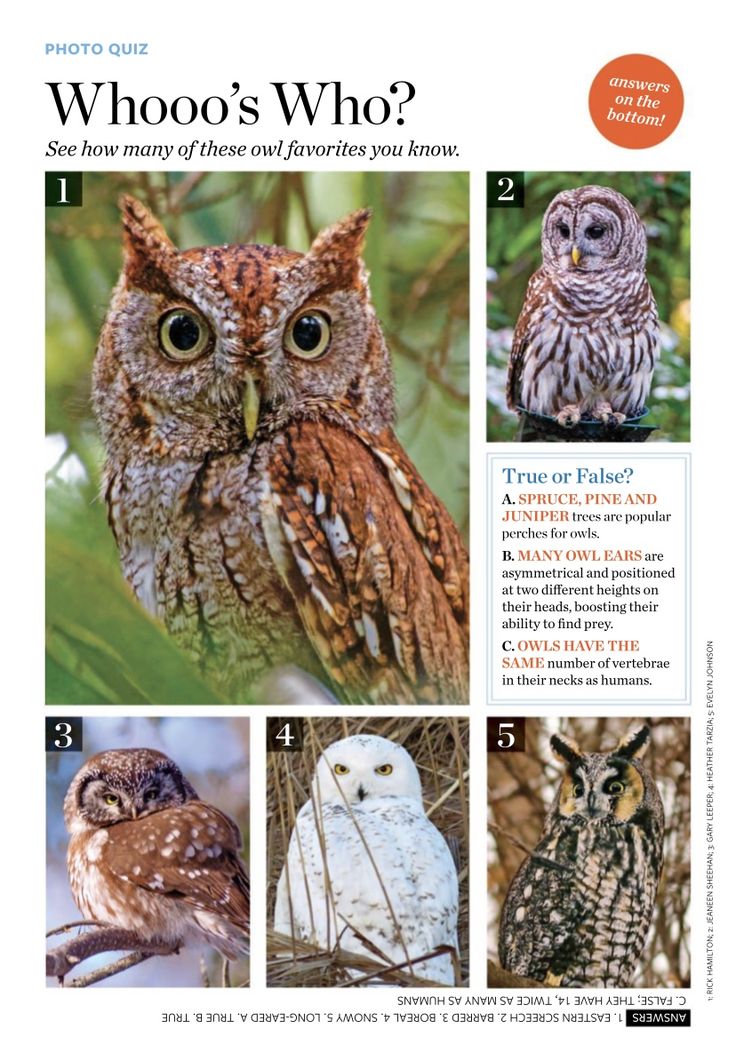
Have you ever paused to wonder why owls, those enigmatic nocturnal sentinels, have captivated the human imagination for millennia? Their silent flight, piercing gaze, and mystical aura have woven themselves into the fabric of art across cultures and epochs. From ancient cave etchings to modern digital masterpieces, owls have perched on the shoulders of artists as symbols of wisdom, mystery, and even foreboding. But what is it about these feathered philosophers that makes them so irresistibly compelling? Let’s embark on a visual odyssey through time, exploring how owls have been immortalized in art—and why their presence in our creative consciousness feels as timeless as the night itself.
The Dawn of Owl Symbolism: Prehistoric and Ancient Depictions
Long before the first brushstrokes or chisel marks, owls were etched into the collective psyche of early humans. Cave paintings in Europe, such as those in the Chauvet Cave, reveal rudimentary yet evocative representations of owls, their silhouettes hinting at a reverence for these creatures. In ancient Egypt, the owl was sacred to the goddess Athena, embodying both protection and the mysteries of the unseen world. These early depictions weren’t merely artistic expressions; they were visual incantations, a way to harness the owl’s perceived power. But here’s a playful quandary: if an owl could speak, would it whisper secrets of the past or remain stubbornly silent, guarding its ancient wisdom?
Classical Antiquity: Owls as Emblems of Wisdom and Prophecy
The Greeks and Romans elevated the owl to a lofty status, intertwining it with their pantheon of gods. Athena’s owl, a companion to the goddess of wisdom, became a symbol of knowledge and strategy. Roman coins bore the owl’s image, a silent testament to its cultural significance. Yet, not all associations were benign. In Roman lore, the owl’s hoot was sometimes seen as an omen of death, a harbinger of doom lurking in the shadows. This duality—wisdom and warning—paints the owl as a paradoxical muse. How would artists reconcile these conflicting narratives? The answer lies in their ability to capture the owl’s dual nature: serene yet sinister, gentle yet formidable.
Medieval and Renaissance Art: Owls in the Shadow of Religion
The Middle Ages cast the owl in a more sinister light, often associating it with the devil or witchcraft. Yet, even in this era of superstition, artists found ways to infuse their works with nuance. The owl’s presence in illuminated manuscripts and cathedral carvings was subtle, a whisper rather than a shout. It wasn’t until the Renaissance that the owl reclaimed some of its former glory. Leonardo da Vinci’s studies of owls reveal a fascination with their anatomy, blending science and art. Meanwhile, artists like Albrecht Dürer immortalized the owl in woodcuts, capturing its piercing gaze with unparalleled precision. The challenge for Renaissance artists? To balance the owl’s symbolic weight with anatomical accuracy—a feat that required both technical skill and imaginative daring.
The Baroque and Romantic Eras: Owls as Dramatic Protagonists
The Baroque period embraced the owl’s theatrical potential. Caravaggio’s chiaroscuro technique lent owls a dramatic presence, their feathers rendered in stark contrasts of light and shadow. The owl became a silent actor in grand narratives, its gaze drawing the viewer into a world of intrigue. The Romantic era took this further, imbuing owls with a sense of melancholy and mystery. Francisco Goya’s *The Sleep of Reason Produces Monsters* features an owl perched ominously, a visual metaphor for the dangers of ignorance. Here, the owl wasn’t just a creature; it was a storyteller, weaving tales of caution and introspection. The challenge for artists of this period? To evoke emotion without resorting to cliché—a delicate dance between symbolism and originality.
Owls in Eastern Art: A Tapestry of Symbolism and Serenity
Across the globe, owls took on entirely different roles in art. In China, the owl was often depicted as a harbinger of good fortune, its presence a sign of prosperity. Japanese ukiyo-e prints, such as those by Hokusai, featured owls in serene landscapes, their forms blending seamlessly with nature. Indian miniature paintings, too, showcased owls in vibrant hues, their eyes reflecting the divine. The challenge for Eastern artists? To capture the owl’s essence without losing its cultural context—a task that required deep understanding and artistic finesse. The result? A visual language where the owl was both a symbol and a living entity, a paradox of stillness and motion.
Modern and Contemporary Art: Owls as Icons of Rebellion and Whimsy
The 20th century saw the owl transformed into a cultural icon. Surrealists like Max Ernst used owls to explore the subconscious, their forms morphing into dreamlike creatures. Meanwhile, pop artists like Andy Warhol turned the owl into a playful motif, stripping it of its symbolic baggage and reimagining it as a vibrant, almost cartoonish figure. Contemporary artists continue to reinvent the owl, using it as a vehicle for social commentary or environmental activism. Banksy’s stenciled owls, for instance, critique modern society with a touch of dark humor. The challenge for modern artists? To keep the owl relevant in an era where symbols often lose their meaning—a feat that demands innovation and boldness.
The Digital Age: Owls in the Realm of Pixels and Light
Today, the owl has found a new home in the digital world. Digital artists manipulate its image with algorithms, creating owls that shimmer with iridescent feathers or dissolve into abstract patterns. Video games and animated films feature owls as characters, their designs ranging from hyper-realistic to wildly fantastical. The challenge here? To harness the power of technology without losing the owl’s timeless allure. Can a pixelated owl still evoke the same sense of wonder as one painted by Rembrandt? The answer lies in the artist’s ability to blend tradition with innovation, creating something that feels both ancient and futuristic.
The Future of Owl Art: A Canvas of Infinite Possibilities
As we look ahead, the owl’s role in art shows no signs of waning. With emerging technologies like virtual reality and AI-generated art, the possibilities are endless. Imagine an owl that responds to the viewer’s gaze, its eyes following you as you move through a digital gallery. Or a sculpture that changes shape based on environmental factors, its form fluid and ever-evolving. The challenge for future artists? To push the boundaries of creativity while honoring the owl’s rich legacy. Will the owl remain a symbol of wisdom, or will it evolve into something entirely new? One thing is certain: as long as humans gaze at the night sky, the owl will remain our silent companion, a muse that transcends time and culture.