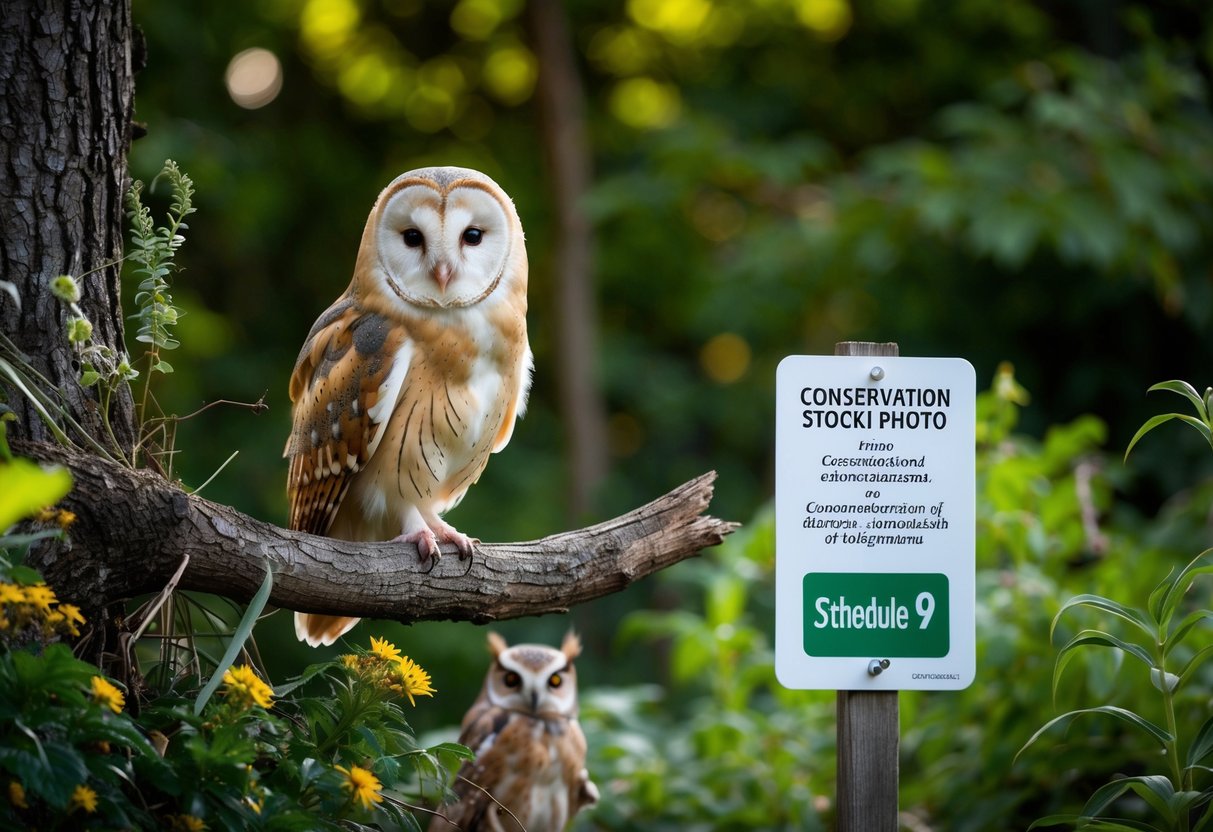
Have you ever paused mid-sip of your morning coffee to wonder why the barn owl, that ghostly specter of the night, isn’t just another feathered face in the avian crowd? Instead, it’s enshrined in legal protections across continents, a silent sentinel of biodiversity. But here’s the twist: while laws shield these nocturnal acrobats, their habitats are vanishing faster than a startled mouse in moonlight. So, how do we turn good intentions into tangible support for owl conservation? Let’s dive into the shadows of action, where every effort casts a ripple of hope.
The Silent Crisis: Why Owls Need Our Help More Than Ever
Imagine a world where the haunting trill of an owl’s call becomes a relic of the past, a sound preserved only in folklore and old recordings. That’s not hyperbole—it’s the trajectory if we fail to act. Owls, those apex predators of the night, are barometers of ecosystem health. Their decline signals a planet out of balance. Habitat destruction, rodenticide poisoning, and climate change are the trifecta of threats squeezing their populations into perilous corners. But here’s the playful paradox: these same creatures, with their hypnotic gaze and silent flight, inspire awe in us. So why is it so hard to rally behind their cause?
The challenge isn’t a lack of love—it’s the creeping dread of helplessness. Owls are elusive, their lives unfolding in the quiet hours when most of us are asleep. How do you fight for a creature that’s already winning the stealth game? The answer lies in bridging the gap between admiration and action, turning passive fascination into proactive support.
Donate with Precision: Where Every Penny Perches
Not all conservation dollars are created equal. A well-placed donation is like a perfectly timed wingbeat—efficient, purposeful, and transformative. Seek out organizations that don’t just talk about owls but immerse themselves in their world. Look for groups that conduct habitat restoration, monitor owl populations, or lobby for policies that protect their hunting grounds. But here’s the rub: how do you sift through the noise to find the true champions of owl conservation?
Start by scrutinizing their track record. Have they successfully reintroduced owls to areas where they’d vanished? Do they collaborate with local communities to reduce human-wildlife conflict? A donation to such an organization isn’t just a financial transaction—it’s a vote of confidence in their mission. Even small, recurring contributions can provide the steady nourishment these groups need to keep their operations aloft.
Volunteer Your Time: Become a Nocturnal Ally
If writing a check feels too impersonal, roll up your sleeves and dive into the nocturnal fray. Owl conservation thrives on boots-on-the-ground efforts—whether it’s building nest boxes, conducting field surveys, or educating the public about the importance of these birds. But volunteering isn’t just about showing up; it’s about embracing the rhythm of the night. Can you imagine yourself trekking through moonlit forests, clipboard in hand, tracking the movements of a barred owl? The challenge here is simple: most of us are creatures of daylight. Adjusting to the nocturnal lifestyle required for owl conservation isn’t just a time commitment—it’s a mindset shift.
Local wildlife rehab centers often need volunteers to care for injured owls, a role that’s as rewarding as it is heart-wrenching. Picture yourself gently feeding a snowy owl back to health, its golden eyes locking onto yours with a mix of gratitude and wildness. These moments forge a bond that transcends mere volunteering—they create stewards of the night.
Advocate with Tenacity: Turn Your Voice into a Megaphone
Conservation isn’t just about what you do in the shadows; it’s about what you shout from the rooftops. Owls need advocates who can amplify their plight in the halls of power. Write to your legislators. Demand stricter regulations on pesticides that poison their prey. Push for the preservation of old-growth forests where they nest. But here’s the playful hurdle: how do you make a bureaucrat care about a creature that’s more likely to feature in a Halloween decoration than a policy brief?
The key is storytelling. Frame owls not as mystical creatures but as vital cogs in the machinery of nature. Highlight their role in controlling rodent populations, reducing crop damage, and maintaining ecological balance. When you advocate, don’t just ask for protection—demand recognition of their irreplaceable value. Your voice, no matter how small, can become a chorus that echoes through decision-making chambers.
Create Owl-Friendly Havens: Even Urban Spaces Can Be Sanctuaries
You don’t need acres of wilderness to make a difference. Owls are adaptable, and with a little ingenuity, even urban and suburban spaces can become havens. Installing a nest box is a start, but why stop there? Plant native vegetation to attract their prey. Reduce light pollution, which disorients nocturnal hunters. Even something as simple as keeping your cat indoors can save countless owl lives. But here’s the delightful dilemma: how do you convince your neighbors that a “messy” backyard is actually a five-star owl hotel?
Turn it into a community project. Host a workshop on building nest boxes. Organize a neighborhood “owl prowl” to spot these birds in the wild. Share your journey on social media, turning your backyard into a case study for others to emulate. Every small habitat improvement is a brick in the foundation of a larger conservation effort.
Educate with Enthusiasm: Ignite the Next Generation of Owl Champions
Knowledge is the most potent fertilizer for conservation. Share the wonder of owls with children, students, and even skeptical adults. Host a “Owl Night” at your local library, complete with taxidermy specimens, recordings of their calls, and interactive games. But the real challenge? Making owl conservation as exciting as a blockbuster movie. How do you compete with the siren call of screens and instant gratification?
Make it experiential. Take kids on a night hike to listen for owl calls. Let them dissect owl pellets (sterilized, of course) to uncover the bones of their prey. Use art and storytelling to bring these birds to life. When you ignite a child’s curiosity, you’re not just teaching them about owls—you’re cultivating lifelong stewards of the natural world.
The Ripple Effect: How Small Actions Create Big Change
Conservation isn’t a sprint; it’s a relay race where every participant passes the baton of effort to the next. Your donation, your time, your voice, and your actions are all threads in a larger tapestry. The challenge isn’t in the scale of your contribution but in its sincerity. Owls don’t need us to be heroes—they need us to be present, persistent, and passionate.
So, the next time you hear the haunting call of an owl, don’t just marvel at its beauty. Ask yourself: what can I do to ensure this sound never fades into silence? The answer might be simpler than you think. Start small. Start now. The night is waiting.