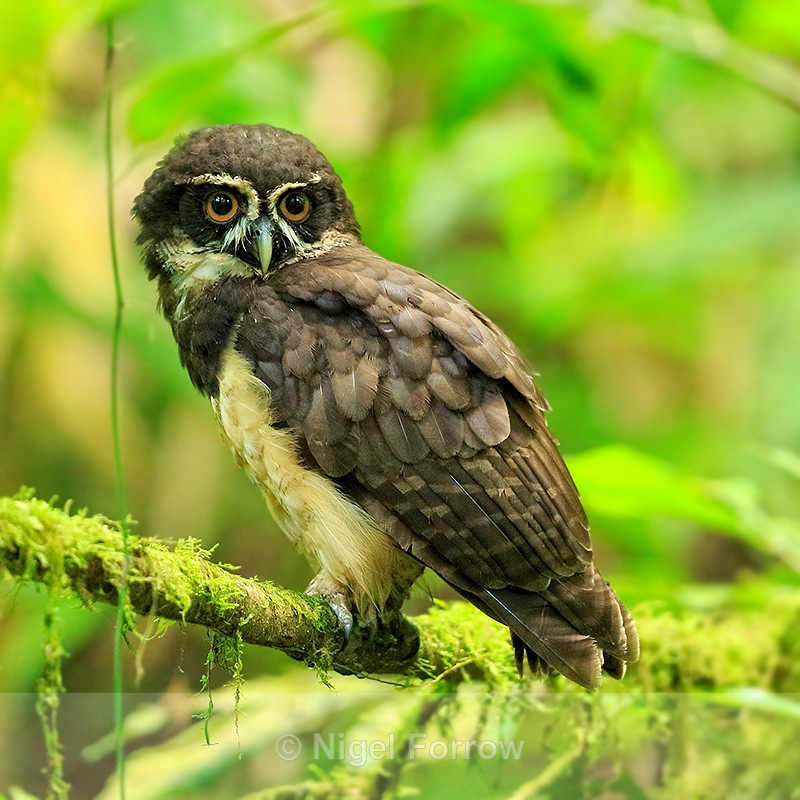
The Spectacled Owl, a nocturnal sentinel of the neotropical rainforests, is more than just a creature of the night—it is a living barometer of ecological health. In the emerald embrace of Costa Rica’s wilderness, this enigmatic bird has become an unlikely ambassador for the transformative power of ecotourism. As travelers tread lightly upon the forest floor, their presence does more than merely observe; it reshapes the very fabric of conservation, weaving a future where humans and wildlife coexist in delicate harmony. The story of the Spectacled Owl in Costa Rica is not just one of survival, but of symbiosis—a tale where every rustling leaf and distant hoot echoes the promise of a world where tourism and nature thrive together.
The Spectacled Owl: A Nocturnal Enigma in Costa Rica’s Canopy
Perched like a sentinel on the gnarled branches of ancient ceiba trees, the Spectacled Owl (*Pulsatrix perspicillata*) is a master of camouflage and stealth. With its piercing yellow eyes and distinctive facial disc—resembling a pair of spectacles—it commands the night with an almost regal presence. Found predominantly in the lowland rainforests of Costa Rica, this apex predator is a keystone species, its presence a silent testament to the vitality of its ecosystem. Yet, its survival hinges on a delicate balance: the health of the forest, the abundance of prey, and the absence of human encroachment. As ecotourism burgeons, so too does the opportunity to safeguard this nocturnal marvel, ensuring that its haunting calls continue to resonate through the dense foliage for generations to come.
Ecotourism: A Double-Edged Sword for Wildlife Conservation
Ecotourism is often hailed as a panacea for conservation, a way to monetize the preservation of nature while fostering global awareness. Yet, its impact is not without complexity. When wielded thoughtfully, ecotourism can be a lifeline for species like the Spectacled Owl, channeling revenue into habitat protection and anti-poaching efforts. Tourists, armed with cameras and curiosity, become unwitting stewards of the environment, their dollars funding research and local communities. However, unchecked tourism can disrupt nesting sites, alter natural behaviors, and introduce invasive species. The challenge lies in striking a balance—where the Spectacled Owl’s habitat is not just a backdrop for adventure, but a sanctuary where its existence is safeguarded by the very people who come to witness its majesty.
The Economic Alchemy of Ecotourism: Funding Conservation Through Wonder
Consider the economic ripple effect of a single ecotourism venture in Costa Rica. A traveler’s journey to glimpse the Spectacled Owl in its natural habitat doesn’t just end with a fleeting memory—it fuels a chain reaction of conservation funding. Entrance fees to protected areas, guided tours led by local experts, and purchases from eco-friendly lodges inject vital capital into national parks and reserves. This financial infusion translates into patrolled trails, reforestation projects, and community-based initiatives that reduce deforestation. The Spectacled Owl, in turn, becomes an economic icon, its survival intertwined with the prosperity of the regions that protect it. In this way, ecotourism transforms the owl from a mere creature of the wild into a symbol of sustainable livelihoods, proving that nature’s value extends far beyond the tangible.
Community Stewardship: The Heartbeat of Ecotourism’s Success
No conservation effort thrives without the support of the communities that call the rainforest home. In Costa Rica, indigenous groups and local guides have become the unsung heroes of ecotourism, their knowledge of the land and its inhabitants invaluable. By involving these stewards in tourism operations, ecotourism ensures that the benefits flow directly to those who have the most to gain from preservation. Imagine a guide, fluent in the language of the forest, leading a group of wide-eyed travelers to a hidden perch where a Spectacled Owl awaits. His livelihood depends on the owl’s continued existence, and his passion for the species becomes a bridge between cultures and conservation. This symbiotic relationship not only empowers communities but also fosters a deep sense of pride in protecting their natural heritage. The result? A network of guardians who see the owl not as a distant wonder, but as a neighbor worth defending.
The Spectacled Owl’s Role in Ecotourism’s Narrative: A Living Ambassador
In the grand tapestry of ecotourism, the Spectacled Owl is more than a species—it is a storyteller. Its haunting calls, its piercing gaze, and its elusive nature captivate the human imagination, turning abstract conservation goals into tangible experiences. Tourists who leave Costa Rica with a newfound appreciation for the owl often return home as advocates, their voices amplifying the urgency of protecting tropical ecosystems. The owl’s presence in ecotourism narratives serves as a reminder that conservation is not a distant concept, but a living, breathing reality. Each encounter with this nocturnal guardian plants a seed of awareness, one that grows into a forest of change. Through the lens of the Spectacled Owl, ecotourism becomes more than a trend—it becomes a movement, a collective pledge to safeguard the wonders of the natural world.
Challenges and Innovations: Navigating the Path Forward
Yet, the road to harmonious ecotourism is fraught with obstacles. Climate change looms large, threatening the very habitats that sustain the Spectacled Owl. Deforestation, even in protected areas, remains a persistent threat, while the allure of mass tourism risks diluting the principles of sustainability. To counter these challenges, Costa Rica has pioneered innovative solutions. Carbon-neutral lodges, wildlife corridors, and strict visitor quotas are just a few of the tools reshaping the ecotourism landscape. Technology, too, plays a role—drones monitor nesting sites, while AI-driven apps track species populations in real time. The goal is clear: to ensure that the Spectacled Owl’s future is not left to chance, but sculpted by the collective will of those who recognize its irreplaceable value. The innovations emerging from Costa Rica’s rainforests offer a blueprint for the world, proving that even the most delicate ecosystems can thrive under the right stewardship.
A Call to Action: Why the Spectacled Owl Matters to Us All
The Spectacled Owl is not just a bird; it is a mirror. In its golden eyes, we see the reflection of our own relationship with the natural world. Its survival is a litmus test for our commitment to conservation, a challenge to rise above mere observation and become active participants in the preservation of life. Ecotourism, when done right, offers a path forward—a way to experience the magic of the wild while ensuring its perpetuation. The next time you find yourself in the presence of a Spectacled Owl, listen closely. Its hoot is not just a sound; it is a plea, a promise, and a call to action. The question is no longer whether we can afford to protect this enigmatic creature, but whether we can afford not to. The forest’s future—and ours—depends on the answer.