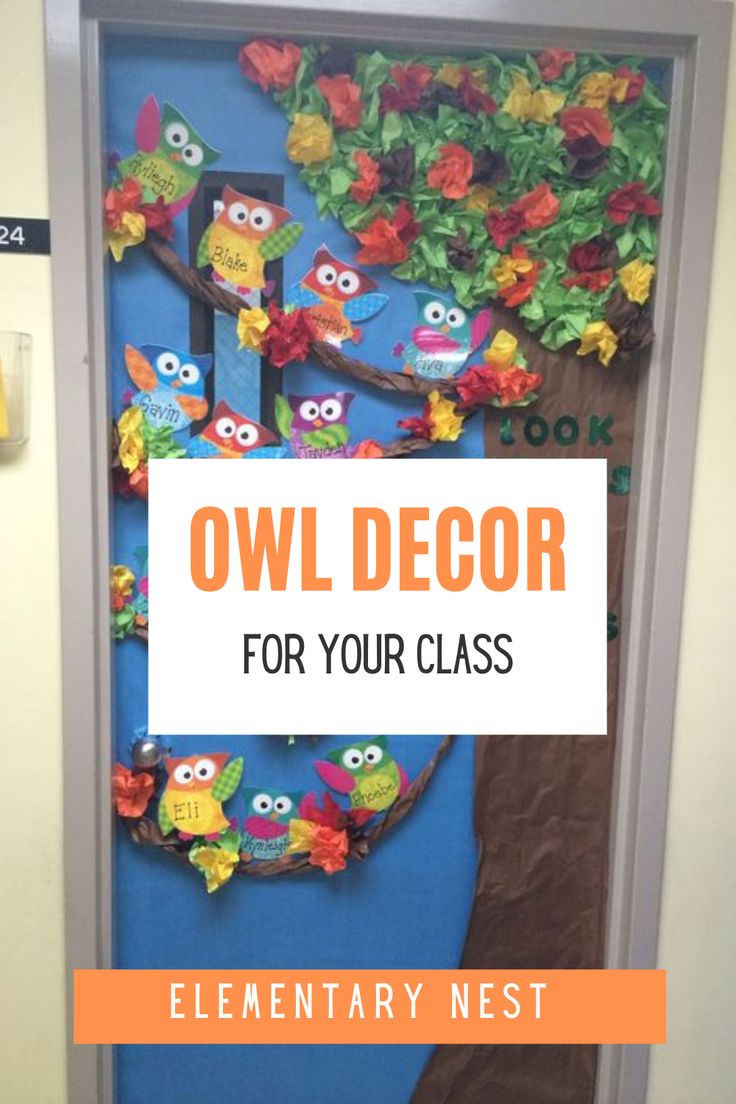
Transforming a corner of your classroom into a mini owl habitat is more than a decorative endeavor—it’s an immersive learning experience that captivates young minds while fostering a deeper connection with nature. Imagine the wonder in your students’ eyes as they observe the intricate details of an owl’s world, right within the walls of their learning sanctuary. This guide will walk you through crafting a miniature ecosystem that not only educates but also inspires curiosity and stewardship for wildlife.
The Allure of Owls: Why a Mini Habitat Captivates Young Learners
Owls, with their silent flight and piercing gaze, embody mystery and wisdom. A mini habitat in your classroom taps into this fascination, turning abstract lessons about nocturnal creatures into tangible, memorable experiences. Students don’t just learn about owls—they *live* alongside them, if only in a scaled-down, educational setting. This hands-on approach bridges the gap between textbook knowledge and real-world application, making science feel alive and relevant. The tactile elements—soft faux fur for nest lining, twigs for perches, and even recorded owl calls—create a multisensory experience that engages auditory, visual, and kinesthetic learners alike.
Designing the Habitat: Balancing Aesthetics and Educational Value
The key to a successful mini owl habitat lies in striking a balance between visual appeal and pedagogical purpose. Start with a sturdy base—a wooden crate, a repurposed bookshelf, or even a large terrarium—then layer in elements that mimic an owl’s natural environment. Consider the following components:
- Nesting Quarters: Use a woven basket or a hollowed-out log lined with shredded paper or moss to replicate an owl’s nest. Add a few feathers for authenticity.
- Perches and Branches: Arrange sturdy branches at varying heights to simulate the uneven terrain of a forest floor. These also serve as observation points for students.
- Camouflage and Texture: Incorporate faux bark, dried leaves, and even a faux fur “owl” (or a plush toy) to create a lifelike scene. Textures like burlap or felt can add depth.
- Lighting and Ambiance: Soft, warm lighting with LED candles or fairy lights mimics the glow of moonlight, enhancing the nocturnal atmosphere.
Remember, the habitat should evolve with your students’ learning. Rotate elements seasonally—add pinecones in winter or faux flowers in spring—to keep the space fresh and engaging.
Educational Extensions: Turning the Habitat into a Living Lesson
A mini owl habitat isn’t just a static display; it’s a springboard for interdisciplinary learning. Infuse your curriculum with activities that leverage the habitat as a focal point:
- Science and Biology: Study owl diets by filling a small dish with “prey” (plastic mice or insects) and discussing digestion. Explore owl pellets—real or simulated—to teach anatomy and ecosystems.
- Literacy and Storytelling: Encourage students to write owl-themed stories or poetry, inspired by the habitat’s ambiance. Host a “Night in the Owl Habitat” where they share tales under dim lighting.
- Art and Creativity: Host a “Build an Owl” craft day using recycled materials, then place the creations in the habitat. Alternatively, have students design dioramas of different owl species and their habitats.
- Math and Measurement: Use the habitat to teach scale and proportion. Have students measure the branches, calculate the area of the nesting space, or graph the types of “prey” found in the environment.
For older students, delve into conservation topics—discuss how habitat loss affects owls and brainstorm ways to protect local wildlife. The habitat becomes a catalyst for critical thinking and empathy.
Sensory Immersion: Engaging All Five Senses
To truly transport your students into the owl’s world, engage their senses beyond sight. Play recordings of owl hoots, screeches, and wing flaps during quiet work time or story sessions. Introduce scents like pine needles or cedar chips to evoke a forest environment. For touch, include textured materials like sandpaper (for rough bark) or velvet (for soft feathers). Even taste can play a role—offer dried mealworms or “owl pellets” (made from licorice or chocolate) as a fun, albeit unconventional, snack. These sensory details create a holistic experience that leaves a lasting impression.
Incorporating Technology: Blending the Analog and Digital
While the habitat itself is a tactile marvel, technology can amplify its impact. Use a tablet or interactive whiteboard to display live owl cams from sanctuaries or zoos, allowing students to observe real owls in action. Augmented reality (AR) apps can overlay digital information onto the habitat—point a device at a branch to reveal fun facts about owl adaptations. For a collaborative twist, have students record their own “owl documentaries” using stop-motion animation with clay owls or plush toys. These digital integrations bridge the gap between the physical and virtual, catering to tech-savvy learners.
Maintenance and Care: Keeping the Habitat Thriving
A well-maintained habitat ensures longevity and continued engagement. Assign students roles like “Habitat Keepers” to dust the branches, refresh the nest lining, or reorganize elements weekly. Store materials in labeled bins for easy access and cleanup. Rotate items like faux prey or seasonal decorations to prevent boredom. If using real plants (e.g., ferns or ivy), ensure they’re non-toxic and low-maintenance. For added realism, sprinkle a bit of cinnamon or cocoa powder near the habitat to mimic the scent of a forest floor—just be mindful of allergies.
Community and Collaboration: Expanding the Owl’s Reach
The magic of the mini owl habitat extends beyond your classroom walls. Partner with a local wildlife rehabilitation center to donate supplies or invite a guest speaker to discuss owl conservation. Host a “Habitat Open House” where families can explore the space and participate in owl-themed activities. Create a bulletin board where students can post questions, observations, or artwork inspired by the habitat. These connections foster a sense of community and reinforce the idea that learning is a shared, ongoing journey.
Reflecting on the Experience: The Lasting Impact of a Mini Habitat
Years from now, your students may forget the specifics of a math lesson or the date of a historical event—but they’ll remember the owl habitat. It’s a testament to the power of experiential learning, where education transcends worksheets and lectures. The habitat becomes a symbol of curiosity, creativity, and care for the natural world. As they grow, they’ll carry with them the lessons learned: that even small spaces can hold immense wonder, and that every creature, no matter how silent or unseen, plays a vital role in the tapestry of life.