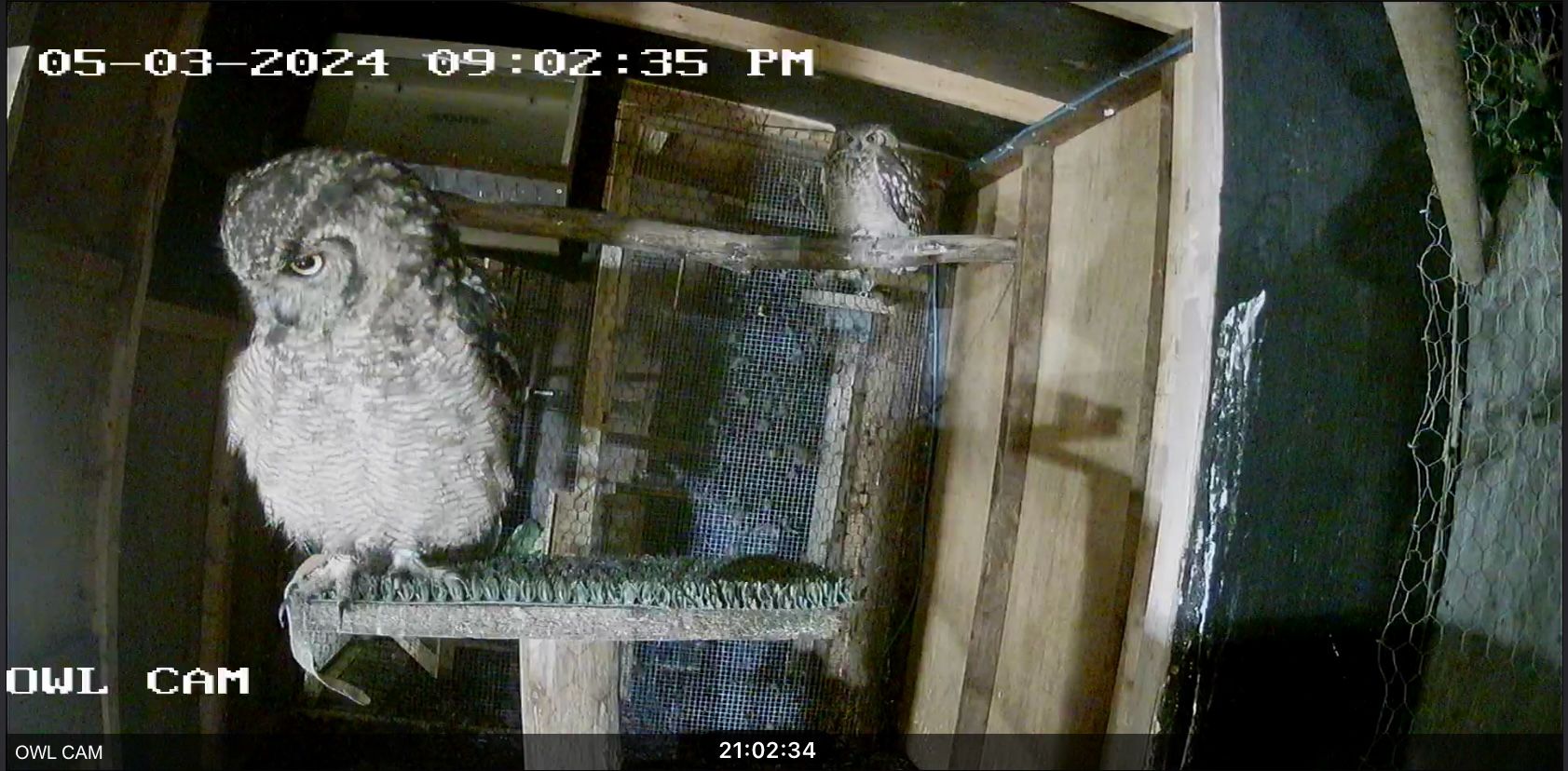
Imagine a sanctuary where the night’s most enigmatic musicians—owls—can reclaim their symphony without the discord of urban sprawl or the gnawing fear of predators. An owl-friendly rescue enclosure isn’t merely a structure; it’s a living sonnet to the wild, a place where silence hums with purpose and every perch whispers ancient secrets. To craft such a haven is to become a silent architect of twilight, weaving together the threads of instinct, safety, and reverence for these feathered philosophers of the dark.
The Foundation: Where Earth Meets Sky
Begin with the earth itself, for an owl’s domain must be rooted in stability yet reach for the heavens. The foundation is not just concrete or compacted soil—it is the bedrock of trust. Dig deep enough to anchor the enclosure against the whims of wind and the tremors of time. Consider the soil’s texture: too loose, and predators may burrow beneath; too dense, and drainage falters, leaving a swamp where dry earth should reign. A gravel base, layered with coarse sand, mimics the natural riverbeds owls frequent, offering both firmness and permeability. This is where the enclosure’s heartbeat begins, steady and unyielding.
Verticality: The Art of the Aerie
Owls are creatures of elevation, their spirits tethered to the lofty perches where they survey their kingdoms. Your enclosure must echo this vertical ambition. Tall, sturdy posts—preferably of untreated cedar or black locust—rise like ancient sentinels, their bark still whispering of forests untouched. Space the posts at intervals that encourage flight paths, not collisions. The height should allow for a minimum of six feet of clearance, but aim higher if your owls are of the larger species; a snowy owl, for instance, needs room to unfurl its wings like a storm cloud breaking free. Attach horizontal branches at varying heights, ensuring they are gnarled and irregular—owls abhor the sterile symmetry of man-made lines. These perches should angle slightly downward, a subtle invitation for talons to grip without slipping.

Shelter: The Umbral Sanctum
A roof is not merely a lid; it is a canopy of sanctuary, a place where daylight’s glare softens into the dusk’s embrace. Construct a sloped roof with overhanging eaves, angled to shield the interior from rain yet allow the scent of the earth to drift in. Use corrugated polycarbonate panels for durability, but leave sections open or covered with fine mesh to permit the passage of moonlight—a vital cue for nocturnal rhythms. Within, create shaded alcoves using natural materials: bark-covered logs, hollowed-out tree stumps, or even artificial caves lined with coconut fiber. These are the owl’s private retreats, where it can retreat from the world’s gaze and indulge in the luxury of solitude.
The Illusion of Wildness: Foliage and Texture
An owl does not recognize the sterile lines of human construction. To fool its instincts, your enclosure must feel like a fragment of the wild, plucked from the edge of a moonlit forest. Weave in native plants—tall grasses for cover, low shrubs for nesting material, and climbing vines like Virginia creeper or honeysuckle to add layers of texture. Avoid anything toxic, of course, but embrace the rough, the prickly, the unpredictable. Owls are drawn to the tactile; they preen their feathers against rough bark and test the resilience of each perch with their talons. Even the scent of pine needles or damp moss can be a balm to a displaced bird, a reminder of home.
Scatter natural debris judiciously: fallen branches, pinecones, even the occasional owl-safe bone (for enrichment). These are not mere decorations; they are props in an ongoing drama of survival, where every twig could be a potential nest site or a hunting platform. The goal is to create a stage where the owl can rehearse its ancient roles—hunter, observer, sovereign of the night.
Safety: The Invisible Fortress
Predators are not always the obvious foes. A poorly secured enclosure can become a deathtrap in disguise. Bury the lower perimeter with hardware cloth at least two feet deep to thwart diggers like foxes or raccoons. Overhead, use a taut wire mesh or netting to prevent aerial attacks from larger raptors. Ensure all entry points—doors, windows, or gaps—are secured with locks that even the most ingenious owl cannot undo. Remember, owls are masters of escape; their curiosity is matched only by their dexterity.
Beware of toxic materials. Pressure-treated wood, lead-based paints, and certain adhesives can poison an owl in ways both subtle and swift. Opt for non-toxic stains or, better yet, let the wood weather naturally. Even the hinges and latches should be silent, for the owl’s hearing is as keen as its vision. A squeaking door is not just an annoyance—it is a beacon for trouble.
Enrichment: The Theater of Instinct
An owl in captivity does not merely survive; it must thrive. Enrichment is the lifeblood of a rescue enclosure, transforming it from a cage into a stage for the owl’s natural behaviors. Introduce puzzle feeders—hidden compartments that mimic the challenge of hunting live prey. Rotate perches of different diameters and textures to keep talons strong and agile. Place shallow dishes of water not just for drinking, but for bathing; a wet owl is a content owl, its feathers aligned in the precise chaos that makes flight possible.
Sound is another dimension of enrichment. Play recordings of prey animals—mice squeaks, voles rustling—at irregular intervals to stimulate the owl’s auditory hunting instincts. Even the absence of sound can be enriching; the enclosure should echo with the quiet of the wild, where every rustle is a mystery to be solved.
The Human Touch: Guardians of the Twilight
You are not just a builder; you are a custodian of the night. Your presence should be a reassuring constant, not an intrusive one. Establish routines—feeding at dusk, cleaning at dawn—but allow the owl to dictate the pace of interaction. Some owls will tolerate close observation; others will retreat into the shadows. Respect these boundaries. Your voice, when you speak, should be soft and steady, a familiar cadence in a world of sudden noises. Avoid direct eye contact; in owl language, this can be a challenge or a threat. Instead, let your gaze linger at the periphery, where it belongs.
Document the owl’s behaviors, its preferences, its quirks. Does it favor a particular perch at dusk? Does it respond to certain sounds? These notes are not just observations; they are the beginnings of a biography, a testament to the owl’s resilience and your dedication. Over time, you may find that the enclosure is not just a home, but a stage where a silent partnership unfolds—yours and the owl’s, bound by the quiet language of the night.