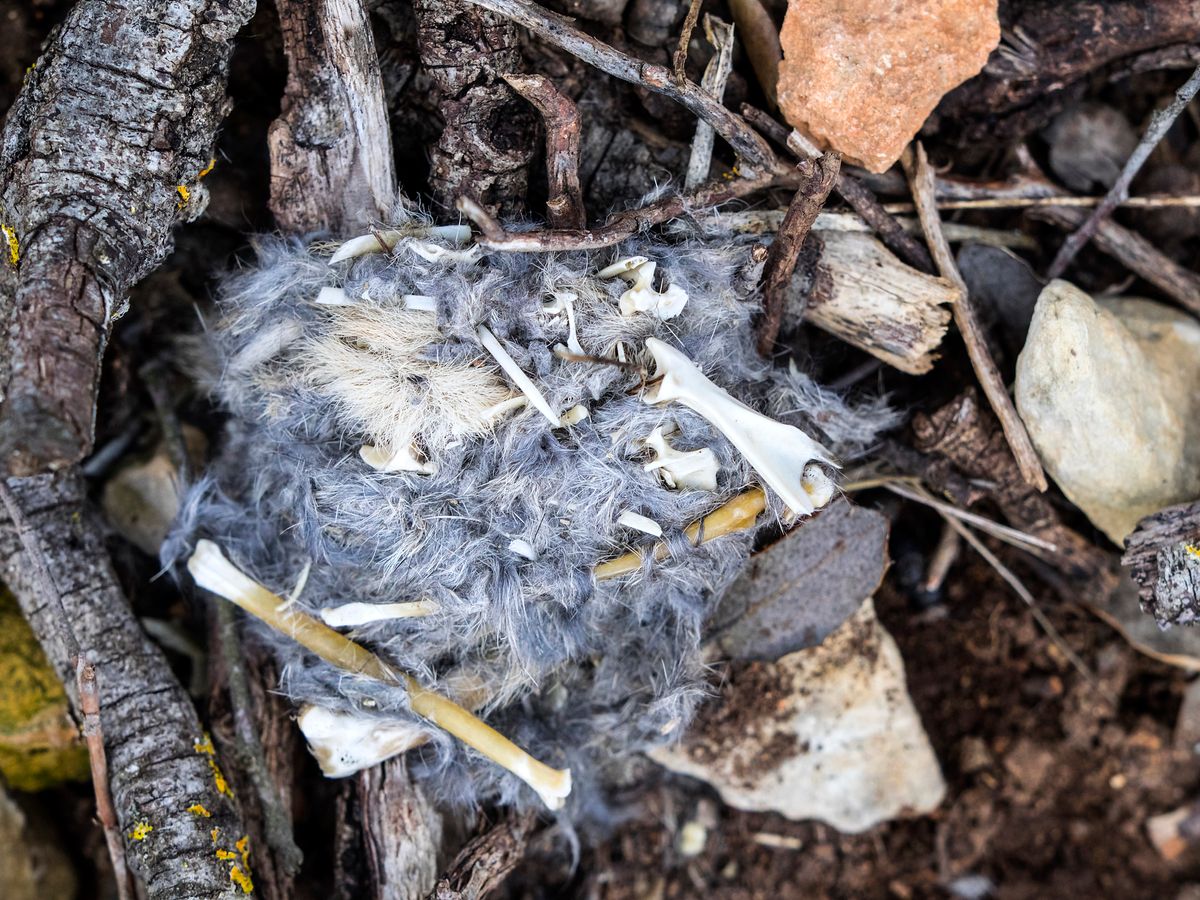
There’s a hidden world beneath the moonlit boughs of ancient forests, a cryptic archive of bones and fur meticulously bound in silent testimony to nature’s unrelenting cycle. Owl pellets—those compact, oblong bundles of regurgitated indigestibles—are more than mere curiosities; they are portals into the secret lives of raptors, whispering tales of predation, survival, and ecological harmony. To the untrained eye, they may appear as unremarkable clumps of fur and bone, but to those who know how to read their cryptic language, they reveal a story as vivid as any field journal. This guide is your key to unlocking that story, transforming the mundane into the magnificent, and turning a casual stroll through the woods into an archaeological expedition of the feathered kind.
The Enigma of the Owl Pellet: Why These Silent Bundles Matter
Owl pellets are not waste—they are deliberate, purposeful constructs, the final act in a digestive ballet that begins with a silent swoop and ends with a regurgitated testament to the owl’s prowess. Unlike mammalian predators that excrete waste, owls have evolved a unique digestive system that separates the digestible from the inedible, compressing the indigestible remnants—fur, feathers, bones, and exoskeletons—into a tidy, oval package. This process, known as pellet formation, is a marvel of evolutionary efficiency, ensuring that every morsel of sustenance is extracted before the owl expels what remains. To hold an owl pellet is to hold a frozen moment in time, a snapshot of a night’s hunt condensed into a single, unassuming mass. It is a reminder that nature’s economy is one of zero waste, where even the remnants of a meal serve a greater purpose.
Where to Begin: Locating the Silent Signposts of the Night
The search for owl pellets is not a treasure hunt—it is a detective’s pursuit, one that demands patience, observation, and an understanding of the owl’s habits. These silent signposts are most commonly found beneath the roosting sites of owls: the hollows of ancient trees, the craggy ledges of cliffs, the secluded nooks of barns, or the dense foliage of evergreen groves. Look for accumulations of pellets, often clustered together like the relics of a forgotten ritual. They may be nestled in the crook of a branch, scattered across the forest floor, or even lodged in the crevices of stone walls. The key is to recognize the signs of owl activity—whitewash stains (urine and feces), the telltale regurgitation splatter of pellets, or the occasional feather drifting in the breeze. Timing is crucial; fresh pellets are soft and pliable, while older ones harden into brittle, sun-bleached husks. The best time to search is during the early morning, when the dew has settled and the night’s secrets are still fresh.
The Anatomy of a Pellet: Decoding the Silent Narrative
To dissect an owl pellet is to read a story written in bone and fur, a narrative that unfolds layer by layer. The outer casing is a tangled mat of fur, often dark and glossy, interwoven with the occasional feather. Beneath this fibrous shroud lies the true treasure: a jigsaw puzzle of skeletal remains. The bones are not random—they are the remnants of a meal, arranged in a haphazard yet deliberate fashion. Skulls, jaws, limb bones, and vertebrae are all present, their arrangement dictated by the owl’s digestive process. The skulls, in particular, are the most revealing; their size, shape, and dental structure can identify the prey species with remarkable precision. A keen eye will notice the delicate zygomatic arches of a rodent or the pronounced sagittal crest of a shrew. Even the smallest fragments—a sliver of jawbone or a fragment of rib—can speak volumes about the owl’s nocturnal exploits. The art of identification lies in piecing together these fragments, like an archaeologist reconstructing a lost civilization from shards of pottery.
Tools of the Trade: Equipping Yourself for the Investigation
You wouldn’t set out to explore a cave without a headlamp, and you shouldn’t embark on a pellet dissection without the right tools. A pair of fine-tipped forceps is essential for teasing apart the fur without disturbing the delicate bones. A magnifying glass or jeweler’s loupe will reveal details invisible to the naked eye, from the tiny incisor cusps of a vole to the molars of a shrew. A small paintbrush can be used to gently sweep away debris, while a shallow tray or petri dish provides a stable workspace. For the truly dedicated, a dissecting microscope can transform the process into a scientific endeavor, revealing the microscopic wear patterns on teeth that hint at the prey’s diet. And don’t underestimate the power of a notebook and pencil—sketching the arrangement of bones or noting the species present can turn a casual observation into a valuable record. With the right tools, what begins as a simple curiosity can evolve into a lifelong pursuit of knowledge.
From Fur to Fossil: The Step-by-Step Dissection Process
The dissection of an owl pellet is a ritual of patience and precision, a meditative act that bridges the gap between the wild and the scientific. Begin by moistening the pellet slightly with water or a dilute alcohol solution to soften the fur, making it easier to separate. Using your forceps, gently tease apart the outer layer, revealing the hidden matrix of bones beneath. Work methodically, layer by layer, like an archaeologist uncovering a buried city. As you separate the fur, you’ll begin to see the skeletal remains emerge—skulls, jaws, and limb bones—each one a clue to the owl’s nocturnal feast. Use your brush to clear away the debris, and your magnifying glass to examine each fragment. Pay special attention to the skulls; their size, shape, and dental structure are the keys to identifying the prey. Once you’ve isolated the bones, you can begin the process of reconstruction, arranging them on a tray to form a complete skeleton. It’s a slow, deliberate process, but one that rewards patience with a tangible connection to the wild.
Species Identification: Unraveling the Prey’s Identity
Identifying the species within an owl pellet is a game of forensic anthropology, where every bone tells a story. The most common prey items are small mammals—voles, mice, shrews, and the occasional rabbit—but owls are opportunistic hunters, and their pellets can contain the remains of birds, amphibians, or even insects. The skull is the most diagnostic feature; its size, shape, and dental formula can narrow down the possibilities. For example, the zygomatic arches of a vole are broad and rounded, while those of a mouse are more delicate. The incisors of a shrew are long and curved, adapted for piercing exoskeletons, while the molars of a rabbit are flat and ridged, designed for grinding vegetation. Even the smallest fragments—a sliver of jawbone or a fragment of rib—can provide clues. Field guides and online databases are invaluable resources, but the true art lies in developing an eye for detail, a sense that allows you to recognize patterns and make connections that others might overlook. With practice, you’ll find that identifying prey becomes second nature, a skill that transforms a simple pellet into a window into the owl’s world.
Beyond the Bones: The Ecological Tapestry of Owl Pellets
Owl pellets are more than just a record of a single night’s hunt—they are threads in the larger tapestry of an ecosystem. Each pellet is a snapshot of the owl’s diet, revealing the abundance and diversity of its prey. By analyzing multiple pellets over time, you can track the fluctuations in prey populations, identify seasonal shifts in diet, or even detect the presence of invasive species. Owls are apex predators, and their hunting patterns reflect the health of the ecosystem they inhabit. A sudden decline in rodent remains might signal a decline in prey availability, while an increase in bird bones could indicate a shift in hunting grounds. In this way, owl pellets become a tool for ecological monitoring, a way to peer into the hidden workings of nature. They remind us that every creature, no matter how small, plays a role in the grand symphony of life, and that even the most unassuming objects can hold the keys to understanding the world around us.
Preserving the Evidence: Turning Pellets into a Lasting Record
Once you’ve dissected a pellet and identified its contents, the question arises: what to do with the remains? For the casual naturalist, a simple sketch or photograph may suffice, but for those who wish to preserve their findings, there are more permanent options. One method is to glue the bones onto a card or in a shadow box, creating a display that showcases the owl’s nocturnal exploits. Another is to store the bones in a labeled vial or petri dish, creating a reference collection that can be used for future study. For the truly dedicated, a database or spreadsheet can track the species found in each pellet, allowing for long-term analysis of diet and habitat use. Whatever method you choose, the act of preservation transforms a fleeting moment into a lasting record, a testament to the owl’s silent hunting and the interconnectedness of the natural world.
The Owl’s Gift: How This Knowledge Transforms Your Perspective
To learn how to identify owl pellets is to gain a new lens through which to view the world. It is to see the forest floor not as a random scattering of debris, but as a archive of life and death, a testament to the owl’s role as both predator and guardian of the ecosystem. It is to understand that even the most unassuming objects can hold the keys to unlocking the secrets of nature. And it is to develop a deeper appreciation for the quiet, unseen dramas that unfold every night in the world around us. Owl pellets are more than just a curiosity—they are a reminder that nature’s mysteries are not always grand or dramatic. Sometimes, they are hidden in plain sight, waiting for those with the curiosity to look, the patience to observe, and the skill to understand. So the next time you find yourself beneath the boughs of an ancient tree, take a moment to look down. You might just find a story waiting to be told.