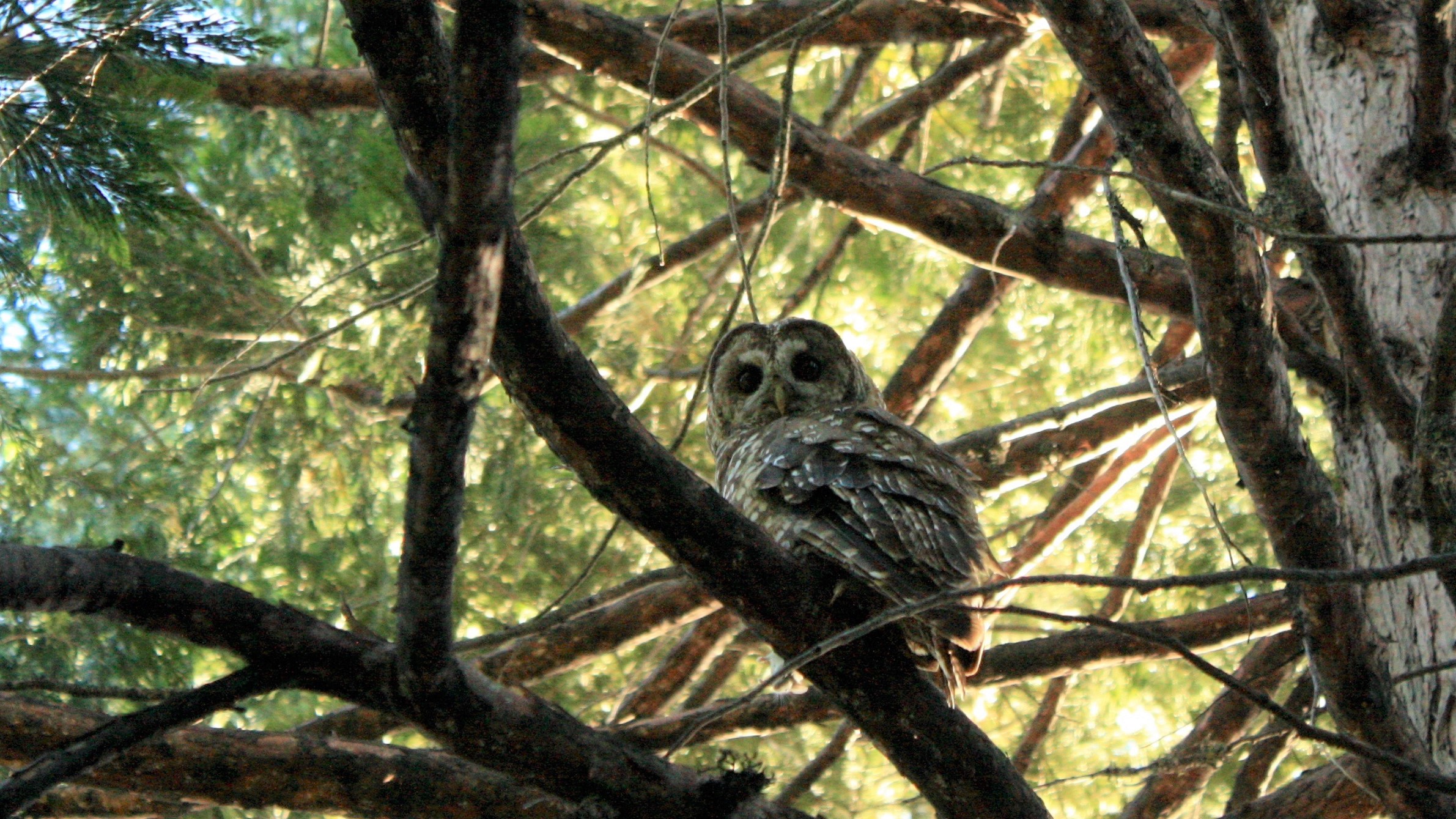
Education is the lantern in the twilight forest where the elusive spotted owl dwells—a beacon that illuminates the path toward its survival. Within the dense canopies of old-growth forests, this enigmatic bird is more than a symbol of biodiversity; it embodies the intricate dance between human stewardship and ecological harmony. The narrative of spotted owl conservation is not merely a tale of biology but a profound saga where knowledge and awareness serve as the sinews binding communities to nature’s fragile web.
The Spotted Owl: A Sentinel of Ancient Forests
The spotted owl is a sentinel species, a living relic of forest ecosystems that have stood for centuries. Its quiet presence amidst towering conifers is akin to a rare verse in an epic poem, one that reveals the health of the old-growth forests it inhabits. These owls rely on vast tracts of undisturbed woodland, thriving in shaded, moss-laden branches where the interplay of light and shadow creates a sanctuary. This intricate habitat dependency underscores a critical reality: the owl’s fate is inexorably tied to the survival of these ancient forests, making conservation efforts immensely complex.
Through education, the masses gain entry into this secret world. They begin to see the owl not as an isolated creature but as a vital node in a sprawling ecosystem. This shift in perception transforms abstract environmental policies into personal imperatives, engendering a deeper empathy that transcends scientific data alone.

Igniting Curiosity: The Power of Education to Foster Stewardship
Education is the kindling that sparks curiosity and, subsequently, a lifelong commitment to conservation. It transcends rote learning by weaving stories that capture the imagination—of the spotted owl’s ethereal flight, its haunting calls piercing the dusk, and the delicate balance it maintains within the forest tapestry. Such storytelling elevates the owl from a biological subject to a charismatic ambassador for ecosystem preservation.
Moreover, education programs tailored to diverse audiences—from schoolchildren to policymakers—serve as conduits for knowledge dissemination, ensuring that the significance of the spotted owl is communicated with precision and passion. Hands-on experiences, such as guided forest walks, wildlife rehabilitation internships, and citizen science projects, immerse individuals directly into the conservation narrative. This embodied knowledge cultivates stewardship, turning passive observers into active participants.
Bridging Science and Society: Educational Outreach as a Catalyst for Policy Change
The intricate machinery of conservation policy often pivots on the fulcrum of public understanding and support. Educational outreach acts as a bridge spanning the chasm between scientific research and societal action. Detailed presentations, multimedia campaigns, and community dialogues distill complex ecological concepts into accessible, compelling messages. This democratization of knowledge dismantles barriers, enabling communities to grasp the stakes and advocate effectively for the spotted owl’s habitat protection.
Legislative victories, such as habitat preservation laws, are rarely the result of sheer scientific evidence alone. They are forged in the crucible of informed advocacy—a process nurtured by education that galvanizes grassroots movements and influences decision-makers. The ripple effects extend beyond policy, fostering a culture where environmental ethics permeate local and regional identities.
Cultivating Intergenerational Wisdom: Education as a Legacy of Conservation
The true power of education lies in its ability to transcend generations, knitting a tapestry of shared wisdom that safeguards the future. In the case of spotted owl conservation, this inheritance is vital. Elders, scientists, and indigenous communities hold deep reservoirs of knowledge about forest dynamics and species behavior. Education provides a platform where traditional ecological knowledge intersects with modern science, enriching conservation frameworks and engendering holistic approaches.
By embedding environmental education within local curricula and community initiatives, knowledge becomes embedded in the cultural fabric. Young minds absorb not just facts but the intrinsic value of coexistence with nature. They learn to interpret the forest’s subtle signals and to value the spotted owl as both a biological treasure and a symbol of resilience.
Harnessing Technology: Innovative Educational Tools in Conservation
In an era dominated by digital innovation, education in spotted owl conservation gains unprecedented reach and depth. Interactive apps, virtual reality expeditions, and online platforms transport learners directly into the owl’s habitat, creating immersive experiences that transcend geographical limitations. These tools harness the power of visualization and engagement, allowing users to witness the owl’s behaviors, ecosystem relationships, and threats in vivid detail.
Such technological empowerment democratizes access to conservation education, making it inclusive and adaptable. It invites a global audience to partake in the stewardship mission while equipping local communities with advanced resources to monitor and protect their forest treasures. This fusion of technology and education redefines how conservation narratives are crafted and shared.
Overcoming Challenges: Addressing Misconceptions Through Education
Despite the growing awareness surrounding conservation issues, myths and misconceptions still cloud the public’s view of the spotted owl. Some perceive conservation efforts as impediments to economic development, creating tension and resistance. Education serves as a clarion call to dispel these fallacies by presenting balanced, evidence-based perspectives that highlight the long-term benefits of biodiversity preservation.
Through transparent dialogue and community engagement, educational initiatives can reconcile ecological priorities with human needs. They reveal that protecting the spotted owl often entails safeguarding water quality, recreational spaces, and climate stability—advantages that extend beyond species conservation. By transforming misunderstanding into mutual respect, education lays the groundwork for cooperative solutions.
Conclusion: Education as the Heartbeat of Spotted Owl Conservation
The survival of the spotted owl hinges on more than just ecological interventions—it depends on the collective heartbeat of an informed and engaged society. Education is the pulse that invigorates conservation efforts, illuminating the shadows of indifference with knowledge, empathy, and action. Like the owl’s silent flight through ancient forests, effective education moves gracefully, weaving together science, culture, technology, and policy into a cohesive symphony of hope.
In nurturing this lantern, each lesson learned and each story shared become a thread in the vast tapestry of preservation—a testament to humanity’s capacity to cherish and protect the natural world’s irreplaceable wonders.