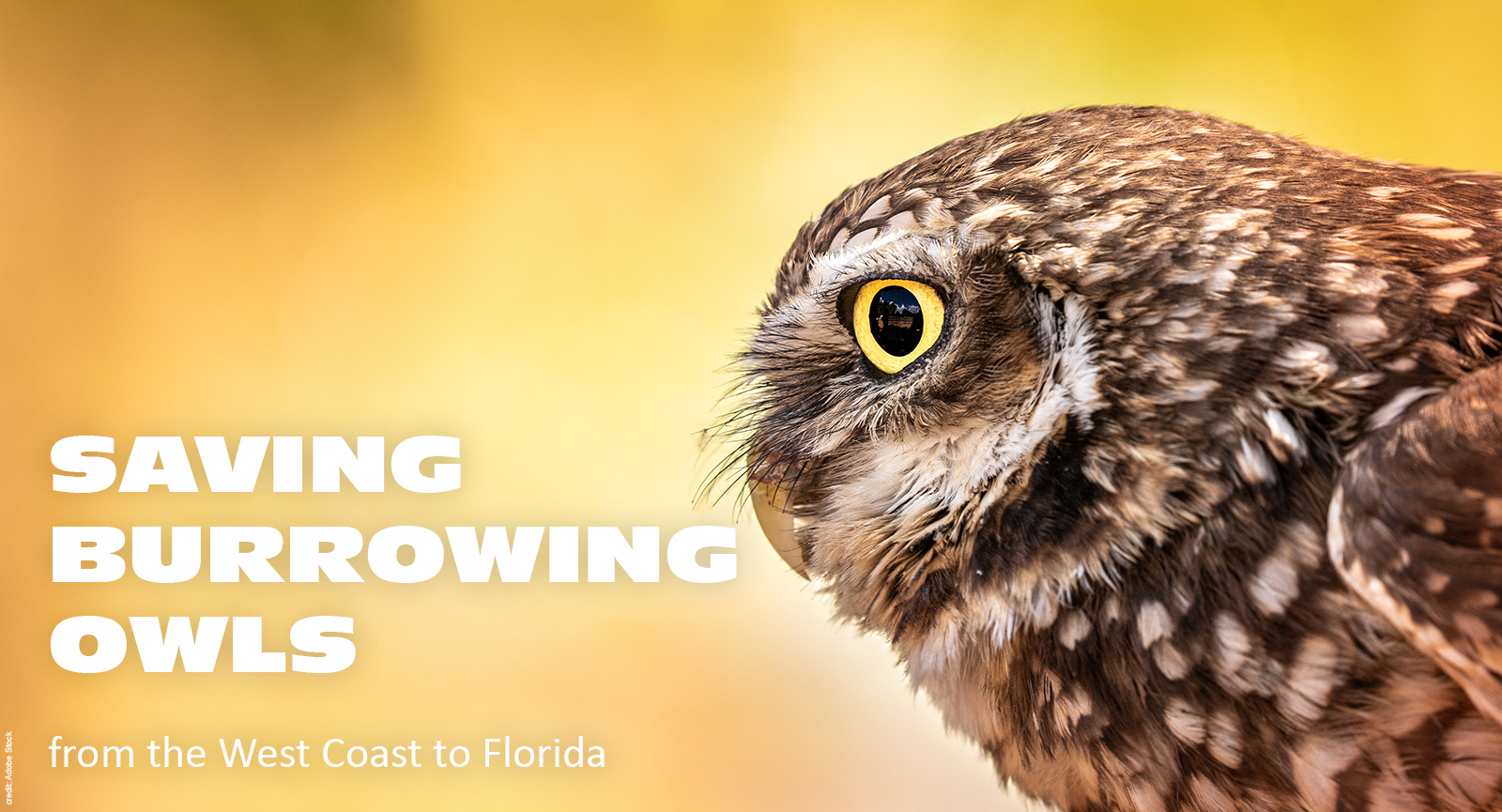
The plight of the burrowing owl in Florida is a story of resilience against the relentless tide of urban sprawl and habitat encroachment. These diminutive, ground-dwelling raptors, with their piercing yellow eyes and comical upright stance, have carved out a precarious existence in the Sunshine State’s rapidly transforming landscapes. Yet, their survival hinges not solely on the whims of nature but on the collective will of communities that refuse to let them vanish. From grassroots activism to citizen science, Floridians are weaving a tapestry of conservation efforts that extend far beyond the boundaries of traditional wildlife protection. This narrative explores the multifaceted roles communities play in safeguarding these feathered sentinels, revealing how grassroots passion can ignite systemic change.
The Grassroots Awakening: How Local Advocacy Groups Are Championing the Cause
In the quiet corners of Florida’s neighborhoods, a quiet revolution is underway. Local advocacy groups, often born from the frustration of witnessing habitat destruction firsthand, have become the vanguard of burrowing owl conservation. These organizations, ranging from small collectives to formally registered nonprofits, operate on the frontlines, where bureaucratic inertia meets the urgent need for action. Their strategies are as varied as the communities they represent—some focus on public education, dispelling myths about owls being pests, while others engage in direct habitat restoration, planting native vegetation to create safe nesting grounds. The most effective groups, however, understand that advocacy is not a solitary endeavor. They forge alliances with municipal governments, pushing for the inclusion of owl-friendly policies in urban planning. Their efforts have already yielded tangible results, from the designation of protected nesting sites to the implementation of “owl crossing” signs in high-traffic areas. Yet, their work is far from over. The challenge lies in sustaining momentum, ensuring that the plight of the burrowing owl remains a priority even as new crises emerge.
Citizen Science: Empowering the Public to Become Stewards of the Owl’s Future
Imagine a world where every hiker, jogger, or curious passerby becomes a guardian of the burrowing owl. This is the vision behind Florida’s burgeoning citizen science initiatives, which transform ordinary individuals into data collectors, habitat monitors, and vocal advocates. Programs like the “Owl Watch” network enlist volunteers to track nesting sites, record behavioral patterns, and report disturbances. These efforts are not merely about data collection; they are about fostering a deep, personal connection to the owls. Participants often describe a profound shift in perspective—once they begin observing these birds, they see the landscape through new eyes, noticing the subtle signs of habitat degradation that might otherwise go unnoticed. The beauty of citizen science lies in its scalability. Whether it’s a retiree documenting owl behavior in a suburban park or a classroom of students mapping nesting sites, each contribution adds a layer of understanding that professional researchers alone could never achieve. Moreover, these initiatives democratize conservation, proving that protecting wildlife is not the sole domain of experts but a shared responsibility.
Urban Oases: Creating Burrowing Owl Sanctuaries in Unexpected Places
Florida’s cities are not the natural habitat of burrowing owls, yet these adaptable birds have carved out niches in the most unlikely urban corners. Golf courses, vacant lots, and even the medians of bustling highways have become temporary refuges for these birds. The challenge, then, is not just to protect existing habitats but to create new ones within the concrete jungle. Innovative urban planning is key. Some municipalities have begun incorporating owl-friendly landscaping into their designs, replacing manicured lawns with native grasses and wildflowers that attract insects—the owls’ primary prey. Others have established “owl-friendly” zones where human activity is minimized during nesting season. The most successful projects, however, go beyond mere accommodation. They transform these spaces into living classrooms, where residents can witness the owls’ daily routines and develop a vested interest in their survival. The result is a symbiotic relationship: the owls gain a foothold in the urban ecosystem, and the community gains a living symbol of nature’s tenacity.
The Power of Education: Dispelling Myths and Fostering Coexistence
Misconceptions about burrowing owls are as pervasive as they are damaging. Some view them as nuisances, citing their habit of nesting in open areas where they might be perceived as a threat to pets or children. Others dismiss their conservation as a low priority compared to more charismatic species. These myths, though often rooted in ignorance rather than malice, pose a significant threat to the owls’ survival. Education is the antidote. Community-led workshops, school programs, and social media campaigns are dismantling these false narratives, replacing fear with fascination. Children, in particular, are natural ambassadors for the cause. Their curiosity and empathy make them ideal advocates, and many schools in Florida have integrated burrowing owl conservation into their curricula, teaching students about ecology, urban wildlife, and the importance of biodiversity. The ripple effect is undeniable. As more people learn the truth about these birds—how they help control rodent populations, how their presence indicates a healthy ecosystem—the groundswell of support grows. Education doesn’t just change minds; it changes behaviors, and in doing so, it changes the future for burrowing owls.
Policy and Persistence: The Long Game of Legislative Advocacy
While grassroots efforts and education lay the groundwork, lasting change often requires the weight of legislation. Community activists have learned that lobbying for policy changes is a marathon, not a sprint. Their strategies are multifaceted: they attend city council meetings to advocate for protective ordinances, they collaborate with state agencies to update endangered species lists, and they push for the inclusion of owl conservation in broader environmental legislation. The victories, though incremental, are significant. In some Florida counties, burrowing owls are now protected under local wildlife ordinances, making it illegal to disturb their nests without a permit. Others have secured funding for habitat restoration projects. Yet, the fight is far from over. Developers often push back against regulations, arguing that they stifle economic growth. The key to overcoming this resistance lies in demonstrating the economic value of burrowing owls. Studies have shown that wildlife tourism can bring millions of dollars to local economies, and burrowing owls—with their photogenic charm—are prime ambassadors for this cause. By framing conservation as an investment rather than a constraint, advocates are shifting the narrative, proving that protecting these birds is not just an ethical imperative but a smart economic decision.
Cultural Shifts: How Art, Media, and Storytelling Are Amplifying the Message
In a world saturated with information, capturing public attention requires more than facts and figures. It demands emotion, creativity, and a compelling narrative. This is where art, media, and storytelling come into play. Florida’s burrowing owl conservation movement has embraced these tools with remarkable ingenuity. Local artists create murals depicting owls in their natural habitats, turning blank walls into canvases for advocacy. Filmmakers produce documentaries that follow the lives of individual owls, humanizing these birds and making their struggles relatable. Even social media influencers have joined the cause, using their platforms to share owl sightings, conservation tips, and calls to action. The power of these mediums lies in their ability to transcend language and cultural barriers. A mural in Miami might inspire a tourist from Germany to learn more about the owls, while a viral video of an owl family in Naples could galvanize a teenager in Orlando to volunteer for a local conservation group. Art doesn’t just raise awareness; it creates a cultural movement, embedding the burrowing owl into the collective consciousness of Florida’s communities.
The Ripple Effect: How Saving the Burrowing Owl Benefits Florida’s Ecosystem
The story of the burrowing owl is not just about one species—it’s about the health of an entire ecosystem. These birds are keystone species, meaning their presence—or absence—has a disproportionate impact on their environment. By preying on insects and small rodents, they help control pest populations, reducing the need for chemical pesticides. Their abandoned burrows provide shelter for other wildlife, from rabbits to insects, creating a microcosm of biodiversity. Moreover, their decline is often an early warning sign of broader environmental issues, such as habitat fragmentation or climate change. Protecting burrowing owls, then, is not a niche concern but a vital component of Florida’s ecological resilience. Communities that invest in owl conservation are, in turn, investing in the health of their own backyards. The lessons learned from these efforts—collaboration, innovation, and persistence—can be applied to other conservation challenges, creating a ripple effect that extends far beyond the owls themselves.