The Arctic tundra, a vast and seemingly desolate expanse, pulses with life beneath its frozen veneer. Among its most enigmatic inhabitants is the snowy owl, a bird of stark beauty and relentless predation. For centuries, these silent hunters have thrived in the harsh embrace of the northern wilderness, their survival intricately tied to the ebb and flow of lemming populations. But as the Arctic warms at an unprecedented pace, a question lingers in the crisp air: are the lemmings vanishing, and with them, the snowy owl’s lifeline?
The Lemming: A Tiny Titan of the Tundra
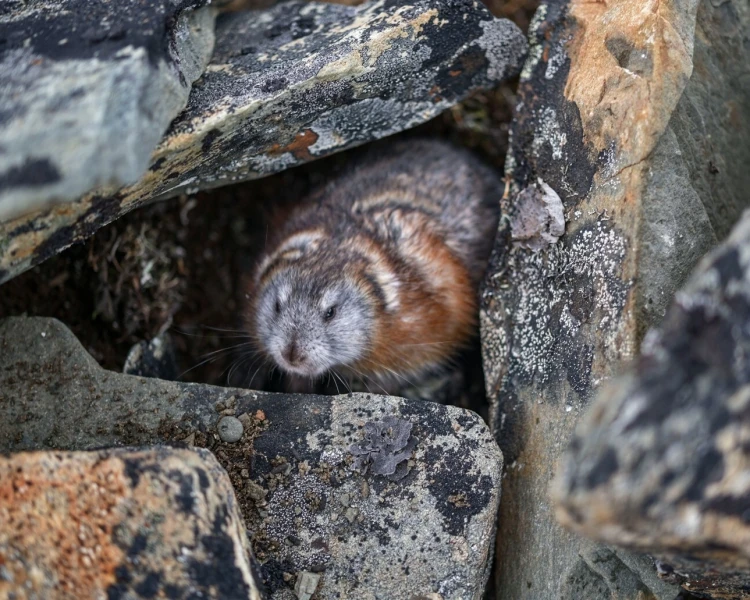
Beneath the snow’s crystalline crust, the lemming scurries—a small, unassuming rodent with a disproportionate impact on the Arctic ecosystem. These creatures are the architects of life in the tundra, their burrowing aerating the soil, their grazing shaping the vegetation. Their populations are not merely abundant; they are cyclical, surging and crashing in dramatic waves that ripple through the food web. For the snowy owl, the lemming is not just prey; it is sustenance, a seasonal feast that dictates survival.
Yet, the lemming’s existence is a paradox. In years of abundance, their numbers explode, transforming the landscape into a teeming buffet for predators. But in lean years, their decline is swift, leaving the tundra eerily quiet. This boom-and-bust cycle has long been a defining feature of the Arctic, a rhythm as old as the ice itself. But now, that rhythm is faltering.
The Snowy Owl’s Relentless Hunger
With a wingspan that commands the sky and eyes that pierce the Arctic gloom, the snowy owl is a master of the hunt. Unlike other owls, it is diurnal, its golden gaze scanning the tundra even under the perpetual daylight of summer. Its diet is not a matter of choice but necessity; lemmings are its primary prey, making up over 90% of its food intake during peak seasons. When lemmings are plentiful, the owl thrives—its broods grow large, its territory expands, and its presence becomes a dominant force in the ecosystem.
But when lemmings dwindle, the owl’s fortunes wane. Starvation looms. Desperation sets in. Some owls abandon their nests, while others venture farther south in search of food, a migration that often ends in peril. The snowy owl’s dependence on the lemming is not just a quirk of nature; it is a vulnerability, a chink in its otherwise formidable armor. And as the Arctic warms, that vulnerability is being tested like never before.
The Warming Arctic: A Silent Disruptor
The Arctic is warming at a rate more than twice the global average—a phenomenon known as Arctic amplification. The consequences are visible in the retreating sea ice, the thawing permafrost, and the shifting seasons. For the lemming, these changes are catastrophic. Snow, once a reliable blanket, now arrives later and melts earlier, leaving the rodents exposed to predators and the elements. The insulating layer of snow that once shielded their burrows from the cold is thinning, and with it, their survival rates plummet.
Worse still, the warming climate fosters the growth of shrubs and grasses, encroaching on the open tundra that lemmings depend on. Their habitat is shrinking, their food sources dwindling. The lemming’s once-predictable cycles are becoming erratic, their populations no longer following the old patterns. And as the lemmings struggle, so too does the snowy owl, its fate inextricably linked to theirs.
The Domino Effect: Beyond the Lemming and the Owl
The decline of lemmings and snowy owls is not an isolated tragedy; it is a harbinger of broader ecological upheaval. The Arctic food web is a delicate tapestry, each thread connected to the next. When lemmings disappear, the predators that rely on them—foxes, weasels, even Arctic wolves—are forced to adapt or perish. The snowy owl, a keystone species, plays a crucial role in controlling lemming populations. Its absence could lead to overgrazing, further destabilizing the tundra’s fragile balance.
Moreover, the snowy owl’s migration patterns are shifting. As the Arctic changes, some owls are being spotted in regions far beyond their traditional range, from the Canadian prairies to the northern United States. These sightings, once rare, are becoming more frequent—a sign that the owls are searching for food in unfamiliar territories. But survival in these new lands is uncertain, and the owls face new threats: habitat loss, human encroachment, and competition with other predators.
The Human Factor: A Complicated Legacy
Human activity is both a driver and a symptom of the Arctic’s transformation. Climate change, fueled by greenhouse gas emissions, is the most pressing threat, but it is not the only one. Industrial development, mining, and oil drilling fragment the tundra, further disrupting lemming habitats. Even well-intentioned conservation efforts can have unintended consequences, such as the introduction of invasive species that outcompete native rodents.
Yet, there is hope. Indigenous communities, who have lived in harmony with the Arctic for millennia, possess knowledge that could guide conservation efforts. Their understanding of lemming behavior, owl migration, and tundra ecology is invaluable. By combining traditional wisdom with modern science, we may yet find ways to mitigate the damage. The snowy owl’s plight is not just a story of nature’s fragility; it is a call to action, a reminder that the Arctic’s fate is intertwined with our own.
The Future: A Fragile Balance
The snowy owl’s survival hinges on the lemming’s resilience, and the lemming’s future depends on the Arctic’s ability to adapt. As the climate continues to warm, the tundra may become a very different place—one where lemmings struggle to find footing, and snowy owls are forced to rewrite the rules of survival. Some scientists predict that the snowy owl’s range will shrink, its populations fragmenting into isolated pockets. Others believe that adaptation is possible, that the owl and lemming may yet find a way to endure.
What is certain is that the Arctic is at a crossroads. The snowy owl, with its piercing gaze and silent wings, is a symbol of this moment—a creature caught between the past and the future. Its story is not just one of decline; it is a story of resilience, of nature’s enduring struggle to adapt. And as we watch the Arctic transform, we are reminded that the fate of the snowy owl is not just a matter of curiosity. It is a reflection of our own relationship with the planet—a relationship that demands both awe and action.