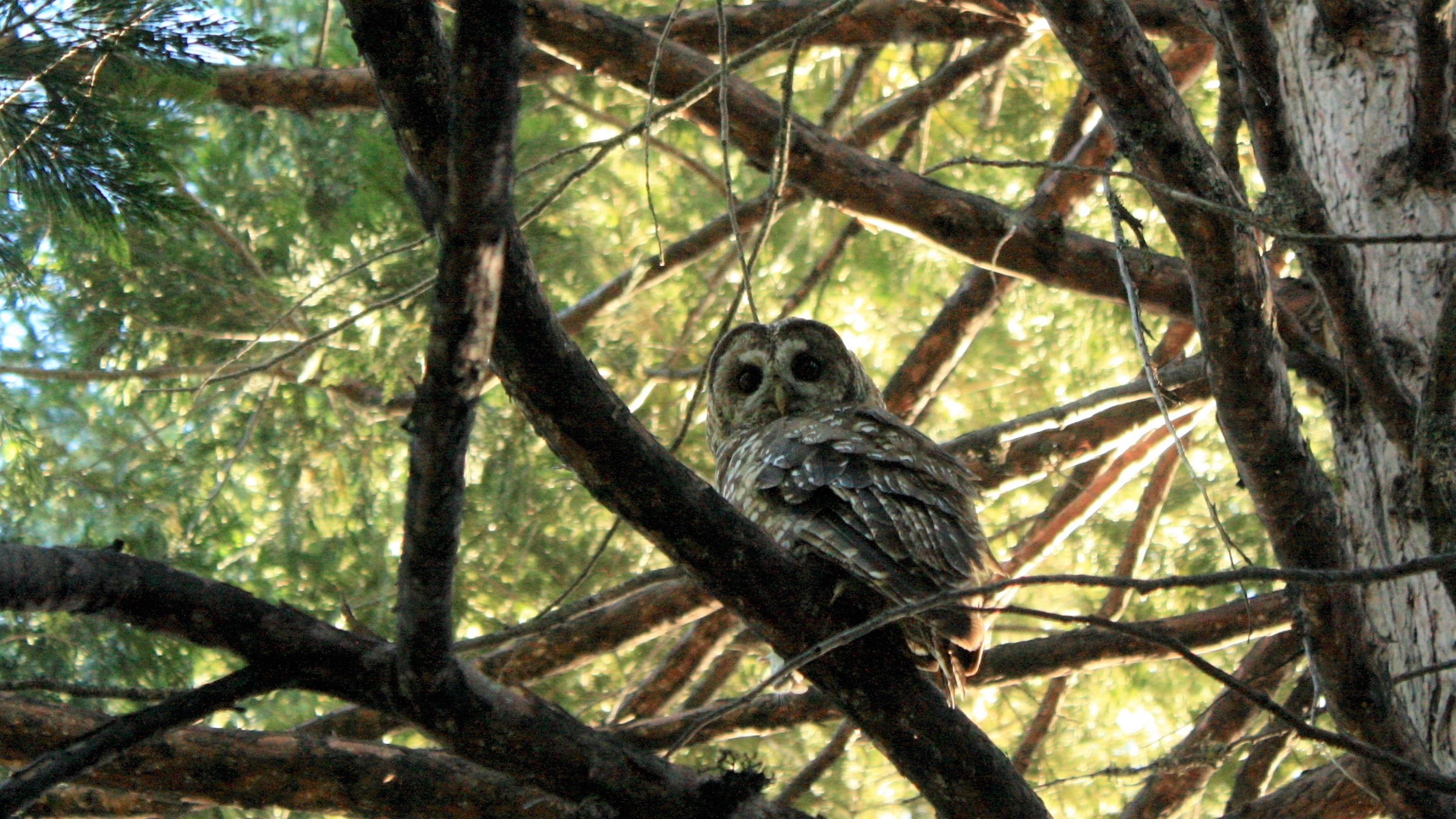
The story of the spotted owl is entwined deeply with the forests it inhabits and the communities that have flourished alongside these ecosystems for millennia. Indigenous peoples, custodians of the land since time immemorial, have played an indispensable role in the conservation of this elusive bird. Their traditional knowledge, cultural reverence, and proactive stewardship illuminate a path of hope amid environmental uncertainty. This article explores the multifaceted contributions of Indigenous communities to spotted owl conservation, revealing a profound symbiosis between human and nature that transcends conventional conservation narratives.
Traditional Ecological Knowledge: The Living Library of the Land
At the heart of Indigenous communities’ involvement in spotted owl conservation lies Traditional Ecological Knowledge (TEK), a form of wisdom accumulated through generational observation, spiritual connection, and practical experience. TEK is not merely a repository of facts about flora and fauna but a holistic understanding of ecosystem dynamics, seasonal cycles, and the interdependence of species. Indigenous elders and knowledge holders have meticulously cataloged the habits, breeding patterns, and habitat preferences of spotted owls, integrating this insight into their daily lives and land management practices.
This living library facilitates nuanced conservation strategies that respect the owl’s ecological niche. For example, Indigenous fire stewardship—controlled burns carried out during specific times of the year—maintains the integrity of old-growth forests that serve as critical spotted owl habitat. This practice reduces the risk of destructive wildfires, promotes biodiversity, and sustains the delicate balance necessary for the owl’s survival.
Cultural Reverence and Spiritual Stewardship
In many Indigenous worldviews, the spotted owl transcends its biological identity to become a symbol of wisdom, survival, and guardianship. This reverence shapes an ethic of care that extends beyond utilitarian conservation. The owl often features prominently in creation stories, ceremonies, and spiritual teachings, symbolizing the interconnectedness of all beings.
This cultural dimension fosters a stewardship ethic that is both profound and actionable. Protecting the spotted owl is not simply about preserving a species—it is about honoring a sacred trust to the land and its living fabric. Indigenous community-led ceremonies and rituals often coincide with conservation efforts, strengthening communal bonds and reaffirming commitments to ecological balance.
Community-Based Conservation Initiatives
Indigenous communities are increasingly spearheading conservation initiatives that center local voices and knowledge systems. These community-based conservation programs emphasize collaborative management of spotted owl habitats, integrating scientific research with Indigenous insights to create adaptive, place-specific solutions.
Such initiatives often involve monitoring spotted owl populations through traditional tracking techniques, habitat restoration projects led by Indigenous youth, and negotiation of land-use agreements that underscore Indigenous sovereignty. The inclusion of Indigenous governance in protected area management ensures conservation policies are culturally sensitive and socially equitable, fostering resilience both for the spotted owl and the communities themselves.
Policy Influence and Legal Advocacy
Beyond on-the-ground stewardship, Indigenous communities have played a pivotal role in shaping policies that affect spotted owl conservation. Through treaty rights, legal challenges, and participation in environmental governance frameworks, Indigenous peoples assert their inherent rights while promoting sustainable land management practices.
This aspect of conservation is as much about political empowerment as ecological preservation. Indigenous legal advocacy has contributed to the establishment of critical refuges and the enforcement of logging restrictions that protect old-growth forests. By insisting on co-management agreements and the recognition of Indigenous land tenure, these communities ensure that conservation efforts are grounded in justice and respect for sovereignty.
Education and Intergenerational Knowledge Transmission
Preserving the delicate balance between human activity and spotted owl conservation relies heavily on education and the transmission of knowledge across generations. Indigenous communities prioritize teaching young members about the ecological and spiritual significance of the owl, embedding conservation values deeply within their cultural fabric.
This educational process involves storytelling, participatory learning in the forests, and involvement in conservation projects. Such engagement cultivates a new generation of stewards who carry forward traditional practices while incorporating innovative scientific methods. It is a dynamic interplay that enriches the conservation narrative, ensuring continuity and adaptability.
Challenges and Opportunities in Integrating Indigenous Perspectives
Despite the profound contributions Indigenous communities make, challenges persist. Historical marginalization, resource extraction pressures, and bureaucratic exclusion complicate collaboration. However, the increasing recognition of Indigenous rights in environmental policy presents a turning point. Building respectful partnerships and fostering equitable power-sharing opens avenues for more inclusive and effective conservation strategies.
The opportunity lies in embracing Indigenous sovereignty as foundational to spotted owl preservation. This approach redefines conservation not as an external imposition but as a shared journey rooted in respect, reciprocity, and resilience.
The conservation of the spotted owl stands as a testament to the enduring strength and wisdom of Indigenous communities. It showcases how ancient knowledge and modern science, when harmonized, can kindle hope for threatened species. Through cultural reverence, community action, and political advocacy, Indigenous peoples continue to illuminate a path toward ecological sustainability—one that honors the past while envisioning a thriving future.