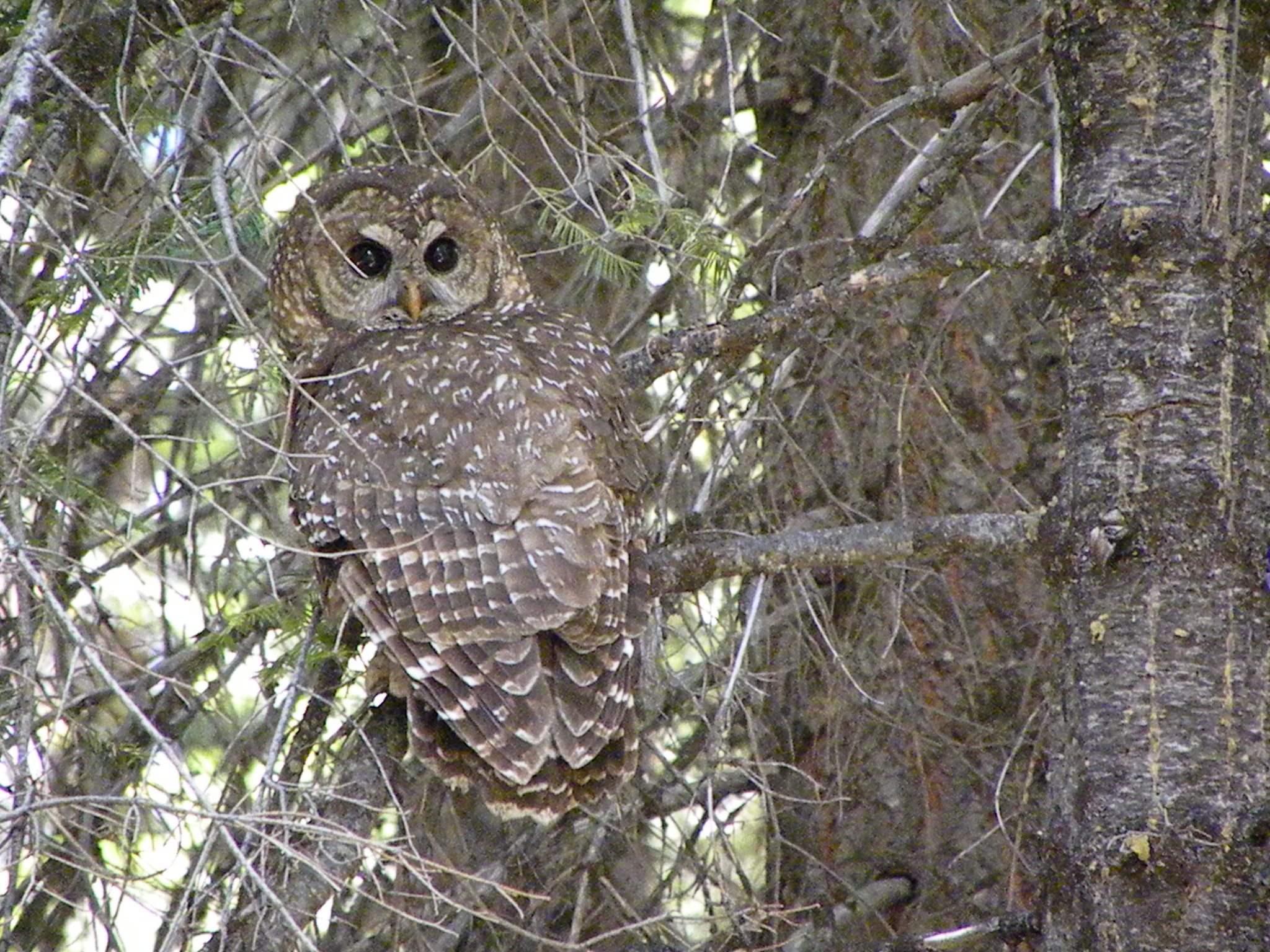
The spotted owl, a silent sentinel of ancient forests, is not just a bird—it is a living testament to the fragility of ecosystems and the urgency of conservation. Its haunting calls echo through towering redwoods and dense Douglas firs, a melody that grows fainter with each passing year. Yet, despite its ecological significance, this iconic species continues to face existential threats from logging, habitat fragmentation, and climate change. The time has come to shift the narrative from one of decline to one of defiance. It is time to lobby—not just for survival, but for thriving ecosystems where the spotted owl can reclaim its rightful place as a keystone species. This is not merely an environmental issue; it is a feminist imperative, a call to dismantle the patriarchal structures that have long prioritized exploitation over preservation. The fight for stronger spotted owl protections is a fight for a future where nature is not a resource to be consumed, but a sacred trust to be honored.
The Moral Imperative: Why Spotted Owls Demand Our Urgency
To understand the urgency of protecting the spotted owl, one must first recognize the depth of its ecological entanglement. This bird is not an isolated entity; it is a linchpin in the intricate web of forest life. Its presence regulates prey populations, shapes forest structure, and even influences the health of the trees themselves. Yet, its habitat—those ancient, cathedral-like forests—has been systematically dismantled by industrial logging, leaving behind a landscape of stumps and second-growth saplings that cannot sustain it. The spotted owl’s decline is not a natural phenomenon; it is a manufactured crisis, a consequence of short-sighted policies that treat old-growth forests as commodities rather than cradles of biodiversity.
But this is more than an ecological tragedy. It is a moral failure. The spotted owl’s struggle mirrors the struggles of marginalized communities—those who have been displaced, silenced, and rendered invisible by systems of power that prioritize profit over people and planet. Just as feminism seeks to dismantle oppressive structures, so too must conservation efforts challenge the industrial complexes that treat nature as a disposable resource. The spotted owl is a feminist icon in its own right: a resilient, adaptive creature fighting against the odds, demanding to be seen, heard, and protected. To lobby for its survival is to affirm that nature, like women, deserves agency, dignity, and the right to flourish without exploitation.
Mapping the Battlefield: Key Threats to Spotted Owl Survival
The spotted owl’s enemies are many, but they are not insurmountable. The first and most glaring threat is habitat loss—a direct result of logging and land development. Old-growth forests, the owl’s preferred domain, are being clear-cut at alarming rates, leaving behind fragmented patches of forest that cannot support viable populations. Climate change exacerbates this crisis, altering fire regimes, shifting tree species distributions, and intensifying droughts that weaken the owl’s prey base. Yet, the most insidious threat may be the slow erosion of political will, where conservation efforts are met with bureaucratic inertia and industry-backed resistance.
Compounding these challenges is the owl’s own biology. Spotted owls are slow to reproduce, with pairs often taking years to establish territories and raise offspring. This makes them particularly vulnerable to disturbances, whether from logging operations, recreational activities, or even the mere presence of humans in their habitat. The owl’s reliance on large, contiguous forests means that even small-scale habitat degradation can have outsized impacts. To combat this, conservationists must adopt a multi-pronged approach that addresses not just habitat protection, but also the broader ecological and political landscapes that shape the owl’s survival.
Strategies for State-Level Advocacy: Grassroots Power in Action
Change begins at home, and state-level advocacy is where the fight for spotted owl protections can gain the most traction. The first step is to build coalitions—unlikely alliances between conservation groups, Indigenous communities, scientists, and local residents who share a stake in preserving their forests. These coalitions can leverage the power of storytelling, using the owl’s plight to humanize the issue and connect it to broader themes of environmental justice. Public hearings, town hall meetings, and social media campaigns can amplify the owl’s voice, turning it into a symbol of resistance against industrial exploitation.
Another critical strategy is to push for state-level endangered species listings. While the federal Endangered Species Act provides crucial protections, state-level designations can fill gaps where federal action is slow or nonexistent. Advocates should also target state forestry commissions and environmental agencies, demanding stricter regulations on logging practices and the establishment of protected corridors for the owl. Additionally, legal challenges can be waged against state agencies that fail to enforce environmental laws, using the courts as a forum to hold decision-makers accountable.
But advocacy is not just about policy—it is about culture. State-level efforts must also focus on education and outreach, particularly in rural communities where logging has long been a way of life. By reframing the spotted owl as a symbol of forest health rather than an obstacle to economic growth, conservationists can foster a new narrative—one that recognizes the owl’s role in sustaining not just ecosystems, but livelihoods as well.
Federal Advocacy: Navigating the Labyrinth of Policy and Power
While state-level advocacy is essential, the federal government remains the most powerful player in the fight for spotted owl protections. The Endangered Species Act (ESA) is the cornerstone of this effort, but its power is only as strong as the political will behind it. Advocates must pressure federal agencies like the U.S. Fish and Wildlife Service to list the spotted owl as endangered, a designation that would trigger critical habitat protections and restrict harmful activities like logging. This requires a relentless campaign of public comment, legal petitions, and direct lobbying of elected officials.
Yet, federal advocacy is fraught with challenges. Industry lobbyists, corporate interests, and political inertia often stand in the way of meaningful protections. To counter this, conservationists must employ a strategy of relentless persistence, flooding decision-makers with evidence of the owl’s decline and the ecological consequences of inaction. Public pressure is a powerful tool—petitions, protests, and media campaigns can force politicians to take notice. Additionally, advocates should target key congressional committees and federal agencies, demanding hearings, investigations, and policy reviews that prioritize the owl’s survival.
Another critical federal strategy is to challenge the status quo through litigation. The spotted owl’s legal battles are legendary, from the original 1990 listing under the ESA to the ongoing lawsuits against the U.S. Forest Service. These legal challenges are not just about winning cases; they are about exposing the flaws in federal forest management and forcing agencies to confront their own complicity in the owl’s decline. By holding the government accountable in court, advocates can create precedents that strengthen protections for the owl and other imperiled species.
Building Alliances: The Power of Unlikely Partnerships
The fight for spotted owl protections cannot be waged in isolation. It requires alliances that transcend traditional boundaries—between conservationists and Indigenous communities, between scientists and artists, between urban activists and rural residents. Indigenous peoples, in particular, have long been stewards of the land and possess invaluable knowledge about forest ecosystems. Partnering with tribal nations can provide both moral authority and practical solutions, such as traditional ecological knowledge that informs habitat restoration.
Similarly, artists, writers, and musicians can amplify the owl’s story, turning it into a cultural touchstone that resonates with people on an emotional level. The spotted owl is not just a biological entity; it is a symbol of wilderness, a muse for creativity, and a reminder of what is at stake. By weaving the owl’s narrative into the broader cultural fabric, advocates can inspire a groundswell of support that transcends political divides.
Even within the conservation movement, there is room for unlikely partnerships. Climate activists, who have long focused on carbon emissions and renewable energy, are increasingly recognizing the role of biodiversity in stabilizing ecosystems. By aligning with climate advocates, spotted owl conservationists can tap into a broader movement that demands systemic change—not just for individual species, but for the planet as a whole.
The Road Ahead: A Vision for a Spotted Owl Renaissance
The path to stronger spotted owl protections is long and arduous, but it is not without hope. The owl’s story is one of resilience, and its survival depends on our collective ability to challenge the systems that have brought it to the brink. This is not just a fight for a bird; it is a fight for the soul of our forests, for the integrity of our ecosystems, and for the future of our planet. It is a feminist fight, a justice fight, and a fight for life itself.
To succeed, advocates must embrace a strategy of relentless creativity, persistence, and collaboration. They must turn the spotted owl’s plight into a rallying cry, a symbol of resistance against the forces that seek to exploit and destroy. And they must never lose sight of the bigger picture: that the owl’s survival is not just about one species, but about the health of the entire planet. The time for action is now. The spotted owl is waiting.