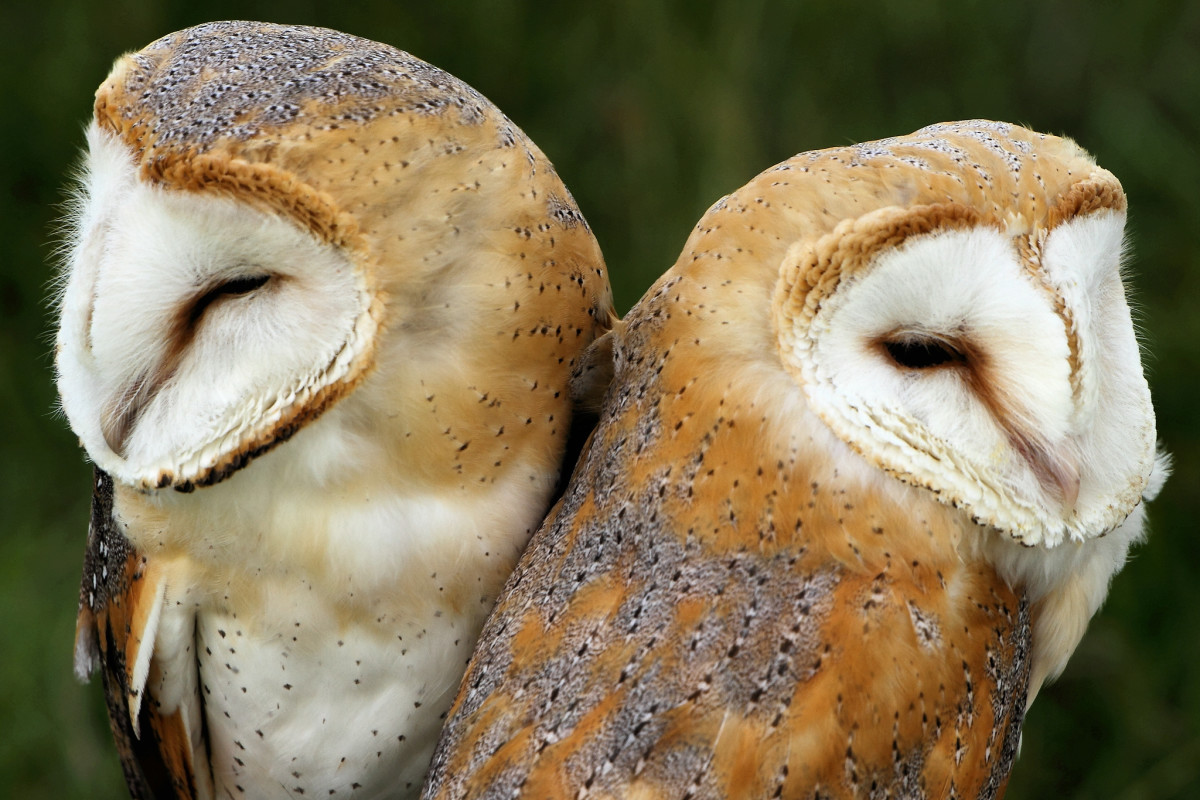
The owl, or fukurō (梟) in Japanese, is more than just a nocturnal bird—it is a living emblem of paradox, a feathered sage whose very presence weaves together the threads of folklore, spirituality, and the quiet wisdom of the unseen. In Japan, where nature and myth intertwine like the branches of an ancient cedar, the owl occupies a hallowed space: neither wholly revered nor entirely feared, but always observed with a mixture of awe and affection. It is a creature of the twilight, a silent observer of human folly, and a symbol that whispers of protection, foresight, and the uncanny ability to see beyond the veil of daylight. To understand the owl in Japanese culture is to peer into a world where metaphor is as alive as the creatures that inspire it—where a bird’s gaze can hold the weight of centuries, and its hoot echoes through the corridors of time.
The Nocturnal Sentinel: Owls as Guardians of the Night
In the hushed expanse of the Japanese countryside, where mist clings to the mountains and the moon casts silver threads across rice fields, the owl emerges as a sentinel of the night. Unlike many cultures where owls are harbingers of doom, in Japan, they are often seen as protectors—silent, vigilant, and unyielding. The fukurō is believed to ward off misfortune, its presence a bulwark against evil spirits that prowl in the darkness. Temples and shrines, particularly those dedicated to Shinto deities, sometimes feature owl motifs or statues, not as mere decorations, but as guardians of sacred space. Villagers in rural regions would hang owl effigies on barns or homes, a superstitious charm to repel thieves and malevolent forces. This protective role stems from the owl’s keen senses—its ability to see in the dark, to hear the faintest rustle of leaves, to detect danger long before humans do. In this way, the owl becomes a metaphor for vigilance, a living reminder that wisdom often lies in the ability to perceive what others cannot.
The Sage’s Whisper: Owls and the Pursuit of Knowledge
To the Japanese, the owl is not merely a guardian; it is a scholar, a creature of profound intellect. The association between owls and wisdom is not unique to Japan—many cultures revere the bird for its perceived intelligence—but in Japanese tradition, this connection runs deeper, intertwined with the very fabric of intellectual pursuit. The word fukurō itself carries connotations of sagacity, often used in proverbs and idioms to denote someone who is astute or insightful. One such saying, fukurō no yō ni hito o miru (梟のように人を見る), translates to “to see people like an owl,” implying a gaze that penetrates superficiality, that discerns truth beneath the surface. This metaphor extends to the world of scholarship and the arts. In Edo-period Japan, scholars and poets often invoked the owl as a symbol of their own intellectual endeavors, crafting verses that celebrated the bird’s ability to navigate the shadows of ignorance. Even today, the owl remains a mascot for universities and libraries, a nod to its enduring association with enlightenment. It is as if the owl, with its unblinking eyes and silent flight, embodies the ideal of knowledge—not as something flaunted, but as something quietly possessed, waiting to be uncovered.
Between Light and Shadow: The Owl’s Dual Nature
Yet the owl’s symbolism in Japan is not one-dimensional. It is a creature of contradictions, a paradox wrapped in feathers. While it represents wisdom and protection, it is also linked to the eerie and the uncanny. The owl’s nocturnal habits, its eerie calls that pierce the stillness of night, and its habit of nesting in abandoned places—ruins, hollow trees, the forgotten corners of the world—lend it an air of mystery that borders on the supernatural. In some regions, it is said that hearing an owl’s hoot at night foretells death or misfortune, a belief that casts the bird in a more ominous light. This duality reflects a broader Japanese aesthetic principle, mono no aware (物の哀れ), the pathos of things, where beauty and melancholy coexist. The owl, with its silent wings and piercing gaze, embodies this tension—it is both a bringer of knowledge and a silent witness to the transient nature of life. It does not judge; it merely observes, a silent chronicler of the human condition. This duality makes the owl a compelling symbol, one that invites contemplation rather than fear.
The Owl in Folklore: From Yokai to Benevolent Spirit
Japanese folklore is a vast and tangled web of stories, where owls often play roles that shift between the benign and the bizarre. In some tales, the owl is a benevolent spirit, a kami (神) of the night, guiding lost travelers or blessing households with prosperity. In others, it transforms into a yokai (妖怪), a supernatural creature with mischievous or malevolent intentions. One such legend tells of the fukurō no sōshi, a monstrous owl that preys on humans, its feathers capable of inducing madness. Yet even in these darker stories, the owl is never entirely evil—it is a trickster, a shape-shifter, a creature that defies easy categorization. This fluidity in folklore mirrors the owl’s real-life behavior: adaptable, elusive, and resistant to being pinned down. It is this very unpredictability that makes the owl such a fascinating figure in Japanese myth. It is not a simple symbol of good or evil, but a complex entity that reflects the unpredictability of life itself. In this way, the owl becomes a mirror for human fears and aspirations, a creature that embodies both the comfort of wisdom and the unease of the unknown.
The Artistic Muse: Owls in Japanese Aesthetics
The owl’s influence extends beyond folklore and into the realm of art, where it becomes a muse for painters, poets, and craftsmen. In ukiyo-e prints, owls often appear as silent observers, perched on branches or nestled among bamboo, their presence adding a layer of depth to the scene. The artist Hokusai, known for his iconic The Great Wave, also depicted owls in his works, capturing their enigmatic gaze with a precision that borders on the spiritual. In poetry, the owl is a recurring motif, its hoot a metaphor for loneliness or the passage of time. The haiku master Basho wrote of owls in his travels, using the bird to evoke the quietude of nature and the fleeting nature of existence. Even in modern times, the owl’s image endures in tattoos, textiles, and digital art, a testament to its timeless appeal. What is it about the owl that makes it such a compelling subject for artists? Perhaps it is the way it straddles the line between the real and the imagined, the tangible and the ethereal. It is a creature that exists in the liminal spaces of the world, and in doing so, it invites us to explore our own liminal spaces—to question, to wonder, and to see the world with fresh eyes.
The Owl as a Cultural Ambassador: From Japan to the World
In recent years, the owl has transcended its cultural boundaries, becoming a global icon of wisdom and mystery. From the Harry Potter series to the Studio Ghibli films, the owl has been repurposed in Western media, often stripped of its Japanese nuances and reduced to a generic symbol of knowledge. Yet in Japan, the owl retains its unique identity—a creature that is both familiar and foreign, a guardian and a trickster, a symbol of the past and a muse for the present. This dual role makes the owl a fascinating cultural ambassador, a bridge between the traditional and the contemporary. It is a reminder that symbols are not static; they evolve, adapt, and take on new meanings with each generation. The owl, with its silent wings and piercing gaze, continues to captivate, not just as a creature of the night, but as a living metaphor for the complexities of life itself.