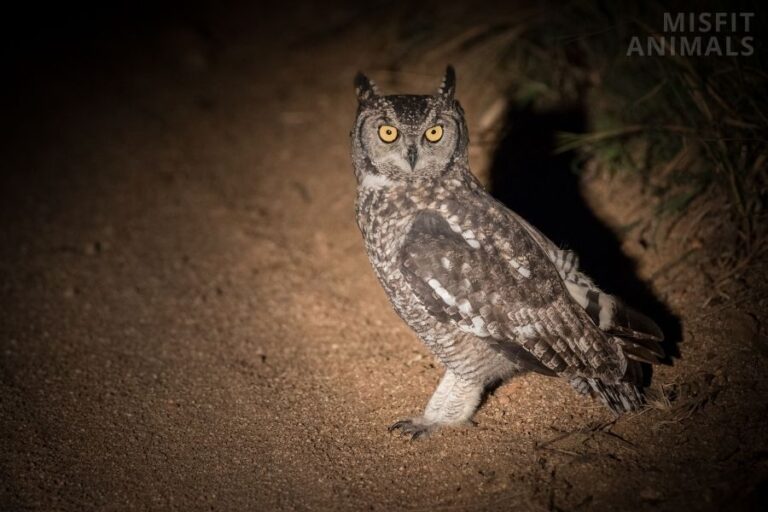
The night is not what it used to be. Once a realm of velvet darkness punctuated by the soft glow of stars, it has been steadily transformed into a stage bathed in artificial luminescence. This transformation, while seemingly benign, has set the stage for an unexpected drama—one that plays out in the silent wings of nocturnal owls. These enigmatic creatures, masters of the twilight, now navigate a world where the very fabric of night is altered. What happens when the guardians of the dark encounter an environment where darkness is no longer their ally? The answer is as complex as the night itself.
The Vanishing Veil of Night: How Light Pollution Disrupts Owl Habitats
Imagine, if you will, a world where the sun never truly sets. Where streetlights cast long, unnatural shadows, and the glow of urban sprawl paints the horizon in hues of orange and white. This is not the stuff of dystopian fiction—it is the reality for countless owls across the globe. Light pollution, the excessive or misdirected artificial light that scatters across the night sky, is erasing the boundaries of natural darkness. For nocturnal owls, this is more than an aesthetic inconvenience; it is a fundamental disruption of their existence.
Owls rely on the cover of darkness to hunt, camouflage, and evade predators. Their keen eyesight, adapted for low-light conditions, becomes less effective when artificial light floods their hunting grounds. The once-predictable rhythm of night and day is replaced by a chaotic blend of light and shadow, leaving owls disoriented and vulnerable. The consequences are far-reaching, affecting not just individual owls but entire ecosystems that depend on these silent hunters to maintain balance.
The Hunting Grounds Under Siege: How Artificial Light Alters Prey Dynamics
For an owl, the night is a vast, open market where every rustle in the undergrowth could mean a meal. But when artificial light turns the darkness into a patchwork of illuminated and shadowed zones, the rules of the hunt change. Prey species, such as mice and insects, alter their behavior in response to light. Some become more active, drawn to the warmth of streetlights like moths to a flame. Others retreat into the safety of dense foliage, leaving owls with fewer opportunities to feed.
This shift creates a domino effect. Owls that struggle to find food may weaken, reproduce less successfully, or even abandon their territories. Meanwhile, prey populations that thrive under artificial light can explode, leading to overgrazing or other ecological imbalances. The once-harmonious dance between predator and prey is thrown into disarray, with no clear winner in sight. The night, it seems, is no longer a level playing field.
The Silent Threat: How Light Pollution Affects Owl Communication and Reproduction
Owls are not just hunters; they are communicators. Their haunting calls, from the eerie hoots of the great horned owl to the soft trills of the barn owl, are essential for marking territory, attracting mates, and warning rivals. But artificial light can interfere with these vocal exchanges. Studies suggest that owls in brightly lit areas may alter their calls, either by increasing their volume to compete with noise or by shortening their range to avoid detection. In extreme cases, they may even abandon their traditional breeding grounds altogether.
Reproduction is another casualty of light pollution. Many owl species rely on the lengthening nights of autumn to trigger their breeding cycles. When artificial light extends the perceived daylight, it can disrupt these natural rhythms. Owls may delay nesting, lay fewer eggs, or even skip breeding altogether. The result? A generation of owls that never gets the chance to take flight, their potential cut short by the glow of a world that never sleeps.
The Urban Predicament: How City-Dwelling Owls Adapt—or Fail to Adapt
Cities are the epicenters of light pollution, and urban owls are on the front lines of this battle. Some species, like the eastern screech-owl, have shown remarkable adaptability, nesting in tree cavities near streetlights and even hunting insects drawn to the glow. Others, however, are less fortunate. The burrowing owl, for example, faces habitat loss as urban sprawl encroaches on its natural grassland homes. When combined with the glare of city lights, its survival becomes even more precarious.
Yet, not all adaptations are successful. Owls that rely on stealth may find themselves exposed in brightly lit areas, their once-effective camouflage rendered useless. Others may become trapped in a cycle of stress, their circadian rhythms disrupted by the unending glow. The urban owl’s story is one of resilience and ingenuity, but also of heartbreaking compromise. Can these creatures truly thrive in a world that was never meant for them?
The Ripple Effect: How Owl Decline Impacts Entire Ecosystems
The decline of nocturnal owls is not an isolated tragedy—it is a warning sign for the ecosystems they inhabit. Owls are apex predators, meaning they sit at the top of the food chain. Their presence regulates populations of smaller animals, from rodents to insects, preventing overgrazing and maintaining biodiversity. When owls falter, the entire food web feels the strain. Rodent populations can surge, leading to crop damage and the spread of disease. Insects may proliferate unchecked, altering plant communities and even affecting pollination.
This ripple effect extends beyond the immediate environment. Owls are indicators of ecological health, their presence or absence a barometer for the state of the natural world. When they disappear, it signals a deeper imbalance—one that could have consequences for humans as well. After all, a world without owls is a world where the night is no longer a sanctuary, but a battleground.
Can We Turn Back the Glow? Solutions for a Darker, Owl-Friendly Future
The challenge of light pollution is daunting, but not insurmountable. Simple changes, like shielding outdoor lights to direct illumination downward or using warmer, amber-colored bulbs, can make a world of difference. Communities can adopt “dark sky” policies, ensuring that streetlights and building lights do not encroach on natural habitats. Even small actions, like turning off unnecessary lights at night, can help restore the veil of darkness that owls depend on.
Technology offers another avenue for hope. Smart lighting systems, which adjust brightness based on real-time needs, can reduce unnecessary illumination. Researchers are also exploring the use of owl-friendly lighting designs that mimic the natural spectrum of moonlight, minimizing disruption to nocturnal wildlife. The key lies in recognizing that light pollution is not an inevitability—it is a choice. And with the right choices, we can help owls reclaim the night.
The story of owls and light pollution is a tale of unintended consequences, where human innovation collides with the delicate balance of nature. It is a reminder that even the smallest changes in our environment can have profound effects on the creatures that share our world. The night may never be as dark as it once was, but with awareness and action, we can ensure that it remains a place where owls—and the mysteries they guard—can still thrive.