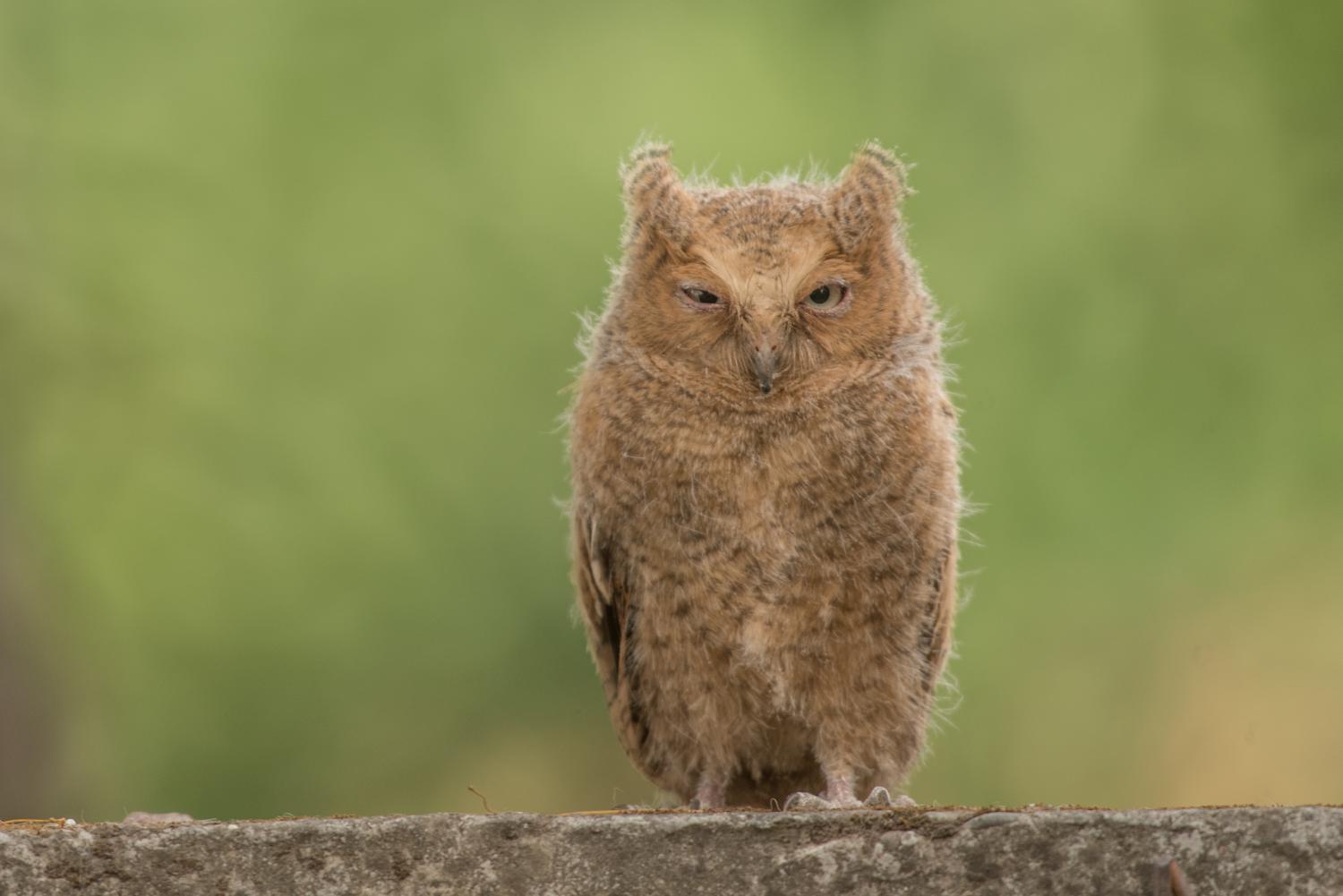
In the hushed twilight of ancient forests, where the air hums with the secrets of the wild, owls take flight—not just as predators, but as silent sentinels of an ecosystem teetering on the edge of balance. National parks, those vast cathedrals of conservation, stand as both bastions of biodiversity and contested stages for human spectacle. Are they sanctuaries where owls thrive, or merely backdrops for our fleeting curiosity? The answer lies in the shadows between policy and passion, where the fate of these nocturnal guardians is decided.
The Owl as Ecological Keystone: Why Their Survival Matters
Owls are the unsung architects of ecological harmony. As apex predators, they regulate rodent populations, curbing the spread of disease and preventing overgrazing that could unravel an entire food web. The mountain scops owl, with its piercing gaze and cryptic plumage, is no exception. Perched in the emerald canopies of montane forests, it is a living barometer of environmental health. When owl populations decline, the repercussions ripple outward—like stones dropped into a still pond, creating concentric waves of imbalance. National parks, by preserving these habitats, act as lifelines, ensuring that the owl’s role as a keystone species remains unbroken.
Yet, their significance extends beyond mere predation. Owls are bioindicators, their presence or absence a litmus test for ecosystem vitality. A thriving owl population signals clean air, intact forests, and a thriving understory. Conversely, their silence may herald the creeping specter of habitat fragmentation or pesticide poisoning. In this light, national parks are not just refuges; they are laboratories where the delicate alchemy of nature is preserved for future generations to study—and emulate.

Tourism’s Double-Edged Talon: Can Visitors and Owls Coexist?
The allure of spotting an owl in the wild is magnetic, a siren call that draws photographers, birders, and eco-tourists alike. National parks, in their quest to fund conservation, often market these elusive creatures as star attractions. But here lies the paradox: the more humans flock to witness owls, the greater the risk of disturbance. A single flash of a camera, a misplaced footstep, or the scent of human intrusion can send an owl fleeing into the night, abandoning its nest or hunting grounds. The question lingers like a half-remembered dream—can tourism and conservation truly coexist, or is it a Faustian bargain where the owl pays the ultimate price?
Some parks have struck a delicate balance, implementing strict guidelines: no off-trail exploration, limited nighttime access, and designated viewing areas far from nesting sites. Others have embraced the concept of “quiet tourism,” where visitors are encouraged to listen rather than look, to absorb rather than intrude. Yet, the temptation to chase that perfect shot—especially in the age of social media—often outweighs ethical considerations. The result? A slow erosion of trust between humans and wildlife, where owls learn to associate humans with danger rather than safety.
The Illusion of Protection: When Parks Become Prisons
National parks are often hailed as pristine wildernesses, untouched by the ravages of modernity. But the truth is far more nuanced. Many parks are islands of habitat in a sea of urbanization, their borders porous to invasive species, pollution, and climate change. Owls, with their territorial nature, may find themselves confined to shrinking pockets of suitable habitat, their movements dictated by the whims of park management rather than the rhythms of nature. In some cases, parks become ecological islands—beautiful, but biologically stifling.
Consider the mountain scops owl, a species that thrives in the cool, mist-laden forests of high-altitude regions. As temperatures rise and forests shrink, these owls are forced to adapt—or perish. National parks, while offering protection, cannot shield them from the broader crisis of climate change. The irony is stark: a park may be a sanctuary, but it is not an escape from the Anthropocene. The owl’s survival now depends on whether these protected spaces can evolve into dynamic, interconnected networks rather than isolated fortresses.
Silent Guardians: The Role of Research and Advocacy
Beneath the canopy of every national park, a quiet revolution is underway. Researchers don harnesses and night-vision goggles, tracking owl movements with the precision of detectives solving a cosmic mystery. Their work is not just academic; it is a lifeline. By studying owl behavior, diet, and nesting habits, scientists uncover the hidden threats lurking in the shadows—light pollution that disorients fledglings, wind turbines that claim silent victims, or invasive plants that choke out the insects owls depend on. This data becomes the ammunition for advocacy, pushing parks to adopt stricter protections or expand their boundaries.
Advocacy groups, too, play a crucial role. They lobby for buffer zones around parks, where human activity is minimized. They educate visitors on the fragility of owl habitats, transforming tourists into stewards of the night. And they challenge the narrative that parks exist solely for human enjoyment, reminding us that their primary purpose is to safeguard the wild. The mountain scops owl, with its mottled feathers and hypnotic gaze, becomes more than a species—it becomes a symbol of what we stand to lose if we fail to act.
The Future of Owl Conservation: Beyond the Park Boundaries
The fate of owls in national parks cannot be decided within their borders alone. Conservation must extend beyond the park gates, into the corridors of policy and the heart of communities. Sustainable forestry practices, reduced pesticide use, and climate action are not optional—they are essential. National parks can serve as models, proving that coexistence is possible when humans prioritize the long-term health of ecosystems over short-term gains.
Yet, the challenge is immense. As urban sprawl encroaches and climate patterns shift, the very definition of a “national park” may need to evolve. Perhaps the future lies in “rewilding” landscapes outside protected areas, creating owl-friendly corridors that connect fragmented habitats. Or maybe it lies in redefining our relationship with nature entirely—seeing owls not as curiosities to be observed, but as kin to be respected. The mountain scops owl, with its haunting call echoing through the mist, may yet become the harbinger of a new era, where conservation is not a luxury, but a necessity.
In the end, national parks are neither perfect sanctuaries nor mere tourist traps. They are mirrors, reflecting our best intentions—and our worst failures. The owl, with its unblinking stare, reminds us that conservation is not a spectator sport. It is a pact between species, a vow to share the Earth without domination. The question is not whether parks can save owls, but whether we, as stewards of this planet, are willing to let them try.