In the moonlit tapestry of the night, where shadows dance and silence hums, an unlikely hero stirs—one with golden eyes that pierce the darkness like twin lanterns. The owl, a creature of myth and mystery, is often cast as a silent sentinel of the nocturnal realm, a predator of mice and insects. Yet, beneath the cloak of its feathered majesty, a revelation unfurls: these enigmatic birds are unwitting architects of botanical bounty, their very presence a catalyst for the silent symphony of pollination that breathes life into the world’s verdant cathedrals. To dismiss them as mere hunters is to overlook their role as unsung gardeners, their wings carrying the seeds of ecological harmony across the land.
The Nocturnal Couriers: How Owls Unwittingly Spread Pollen
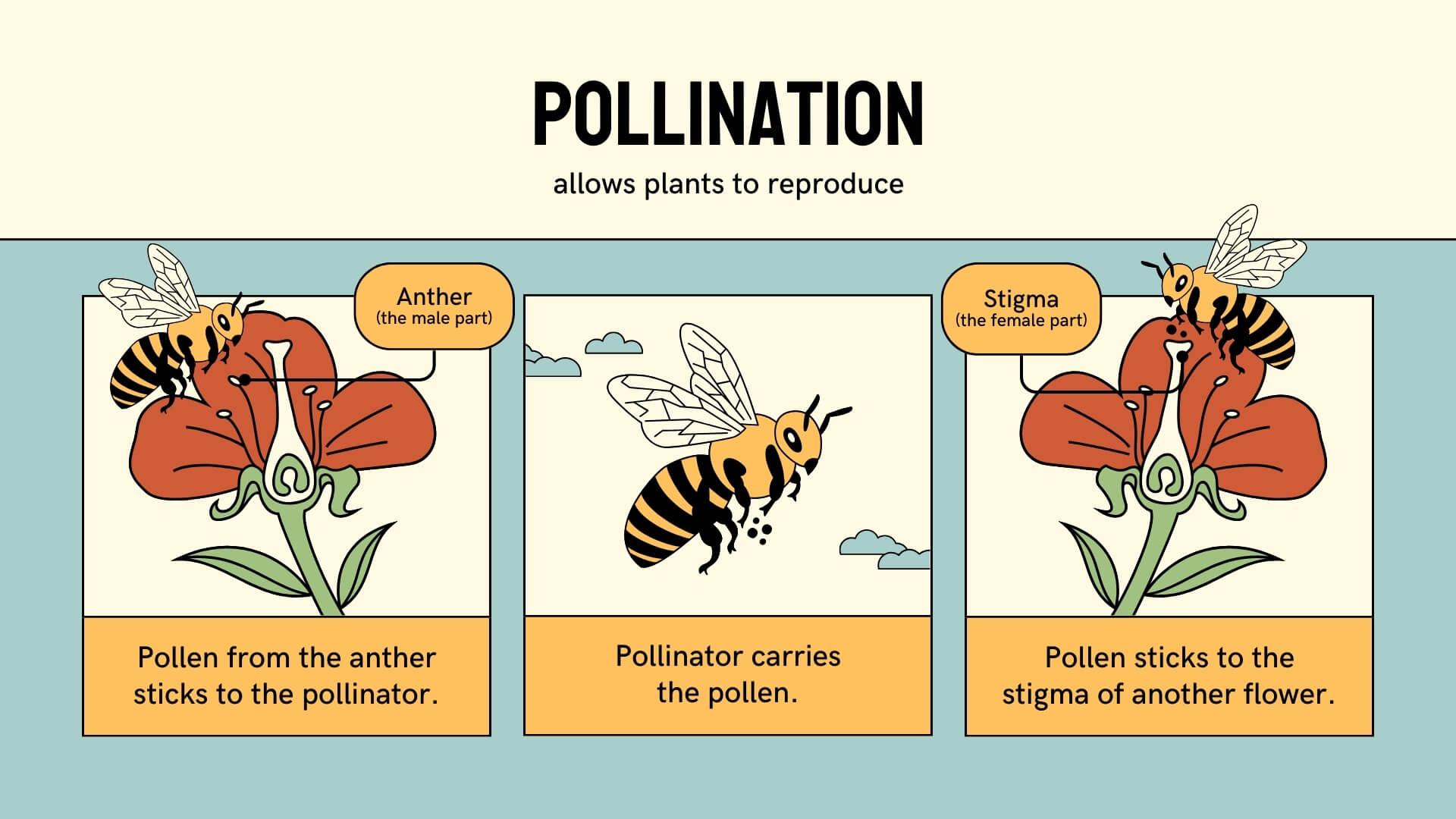
While owls are not the primary pollinators—bees, butterflies, and hummingbirds claim that title—their hunting habits weave them into the fabric of plant reproduction in ways both subtle and profound. Consider the barn owl, a ghostly specter gliding over fields at dusk, its talons clutching a mouse or vole. As it tears into its prey, its beak and feathers become inadvertent vessels for pollen. Many plants, particularly grasses and grains, rely on wind and animal-mediated dispersal for fertilization. When an owl alights on a stalk of wheat or a cluster of wildflowers, pollen clings to its plumage like microscopic confetti, hitching a ride to the next bloom. This phenomenon, known as zoochory, transforms the owl into a living conduit, a feathered ferryman of genetic material that ensures the survival of plant lineages.
The process is not unlike the way a traveler, unaware of their role, carries seeds in the folds of their cloak from one continent to another. Owls, in their ceaseless quest for sustenance, become nomads of the night, their movements stitching together the ecological tapestry of meadows, forests, and wetlands. Their contribution is not measured in the flamboyance of a bee’s dance or the precision of a hummingbird’s beak, but in the quiet persistence of a shadow that leaves behind a trail of life.

The Seed Dispersal Paradox: Owls as Reluctant Botanists
Beyond pollen, owls play a more direct role in the propagation of plants through their dietary habits. Owls are voracious consumers of rodents, many of which feed on seeds and fruits. When an owl devours a mouse that has gorged on berries or grains, the seeds pass through its digestive tract unharmed, only to be deposited miles away in a fresh patch of soil. This endozoochory—the dispersal of seeds via ingestion—is a masterclass in unintentional horticulture. The owl, in its role as apex predator, becomes an unwitting gardener, planting the future forests and meadows in the most unexpected of places.
Imagine a great horned owl perched in a cottonwood tree, its talons gripping a rabbit that has feasted on the fallen fruits of a hackberry tree. As the owl consumes its prey, the seeds of the hackberry travel through its gut, emerging days later in a distant thicket, ready to sprout. This cycle is a testament to the interconnectedness of life, where the hunt of one creature sows the seeds of another. It is a reminder that nature’s economy is not one of scarcity, but of exchange—a delicate balance where every act, no matter how seemingly destructive, is an investment in renewal.
The Shadow’s Sentinel: Owls and the Pollination of Night-Blooming Flowers
While most pollination occurs under the sun’s gaze, the night harbors its own secret gardens, where flowers unfurl their petals in the cool embrace of darkness. These nocturnal blooms, often pale and fragrant, rely on creatures of the twilight to ferry their pollen. Though owls are not the primary pollinators of these flowers—moths and bats take that honor—their presence in the ecosystem ensures that the stage is set for these silent pollinators to thrive. By controlling rodent populations that might otherwise trample or consume the plants, owls create a stable environment where night-blooming flora can flourish.
Consider the evening primrose, its lemon-yellow petals unfurling as the sun dips below the horizon. Its nectar is a siren’s call to sphinx moths, whose long proboscises dip into the flower’s depths. But for this delicate dance to occur, the primrose must first survive the night unscathed. Owls, by preying on the voles and rabbits that might nibble its stems, act as silent guardians, ensuring that the primrose’s brief but brilliant existence is not cut short. In this way, the owl’s role is not one of direct participation, but of facilitation—a guardian of the stage upon which the drama of pollination unfolds.
The Ecological Ripple: How Owls Shape the Landscape of Pollination
The influence of owls on pollination extends far beyond individual plants. Their presence in an ecosystem creates a ripple effect that transforms the very landscape. In regions where owl populations thrive, the balance of predator and prey ensures that seed-eating rodents do not overpopulate and decimate plant life. This, in turn, allows a greater diversity of flowering plants to proliferate, which supports a wider array of pollinators. The owl, therefore, is not just a participant in the pollination narrative, but a keystone species whose existence underpins the health of the entire ecosystem.
Take the case of the burrowing owl, a small but mighty guardian of the prairie. Unlike its larger cousins, the burrowing owl nests in the abandoned tunnels of prairie dogs and other rodents. By occupying these burrows, it keeps the tunnels open, which inadvertently aerates the soil and creates microhabitats for a variety of plants. When these plants bloom, they attract pollinators, which in turn support a thriving community of insects, birds, and mammals. The owl’s presence, though indirect, is the invisible hand that shapes the prairie’s botanical tapestry.
The Poetic Intersection: Owls, Pollination, and the Language of Nature
To speak of owls and pollination is to speak in metaphors—of shadows that carry light, of hunters who sow the seeds of life, of silent guardians who shape the world in ways unseen. The owl, with its golden eyes and feathered cloak, is a living paradox: a creature of the night that illuminates the day, a predator that nurtures, a wanderer who plants forests. Its role in pollination is a reminder that nature’s work is not always loud or obvious, but woven into the fabric of existence in ways that defy expectation.
In the grand ballet of the natural world, the owl is both dancer and choreographer, its movements unseen but its impact undeniable. It is a testament to the beauty of unintended consequences, where the hunt of one becomes the harvest of another. To witness this interplay is to glimpse the poetry of life itself—a silent, shimmering web where every thread, no matter how delicate, holds the potential to create something extraordinary.