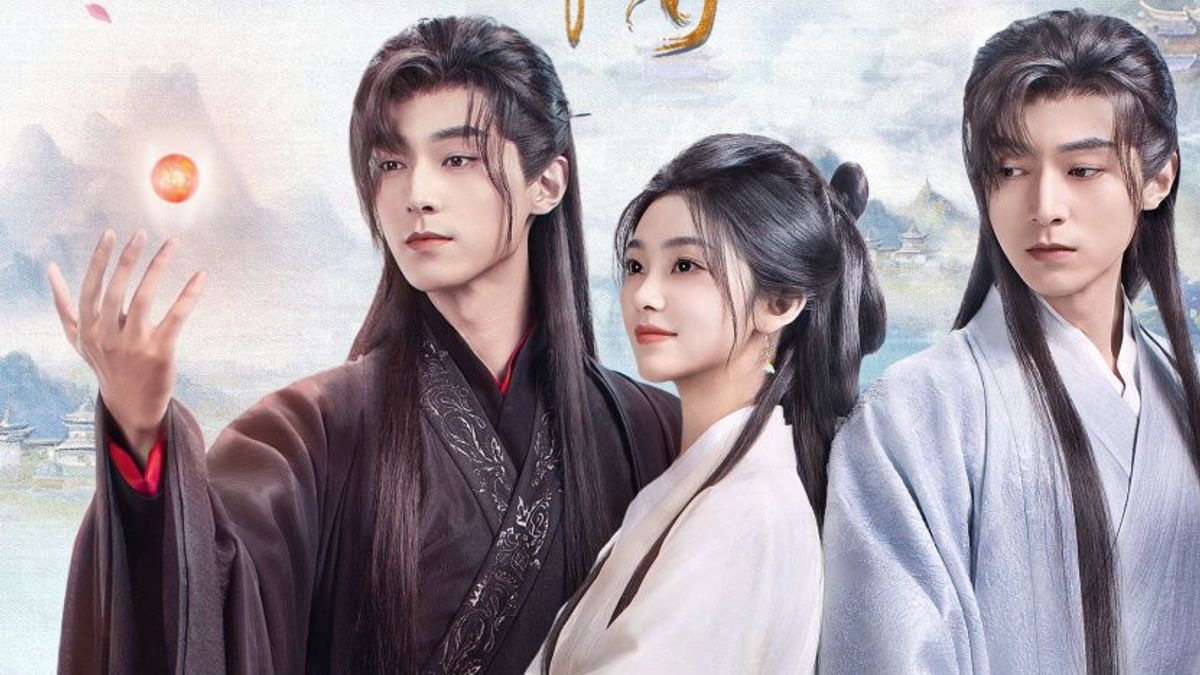
In the opulent, high-definition world of modern Chinese historical and fantasy dramas, every creature that flits across the screen—from the soaring golden dragon to the humble chirping cicada—is laden with millennia of cultural baggage. However, few creatures evoke as much atmospheric tension and “mystery” as the owl in Chinese dramas. While Western audiences often associate the owl with the Greek goddess Athena and the concept of wisdom, the appearance of an owl in a C-drama usually signals something far more complex, often tethered to the uncanny, the prophetic, and the ancient.
The narrative journey of the owl in Chinese media is a fascinating study in how folklore evolves. To see an owl perched upon a curved palace roof in a drama is to witness a collision between historical superstition and modern storytelling.
The Shadow of the Night Hawk: Ancient Omens
In the context of traditional Chinese culture, the owl has historically occupied a darker corner of the imagination than its Western counterpart. Historically referred to as the Maotouying (cat-headed eagle), the owl was often viewed as an “unlucky bird” (Eniao). Ancient texts frequently associated its haunting nocturnal cry with impending death or misfortune.
When a director places an owl in Chinese dramas, they are often tapping into this deep-seated cultural memory. If a protagonist is walking through a desolate forest or a forbidden wing of the Imperial Palace and hears the hoot of an owl, the narrative is telling the viewer to brace for a “mystery” or a tragic turn of events. Unlike the auspicious phoenix or the loyal crane, the owl is the sentinel of the transition between light and dark, life and death.
Symbolism of Rebellion and Ferocity
Interestingly, the symbolism of the owl isn’t purely negative. In the Shang Dynasty (c. 1600–1046 BCE), the owl was a symbol of war and ferocity. Bronze vessels from this era often feature intricate owl motifs, suggesting a creature of great power and status.
In some period dramas, particularly those set in the pre-Qin or Han dynasties, the owl represents a “rebellious spirit.” Legend once suggested that young owls would consume their mothers, leading to a symbolic association with unfilial behavior—the ultimate sin in Confucian society. Consequently, an antagonist or a morally gray anti-hero might be visually linked to the owl to signal their defiance of social norms and their fierce, predatory nature. The owl thus becomes a descriptive tool for character depth, representing a figure who operates outside the standard moral boundaries of the court.
The Modern Shift: Wisdom and Guardianship
As C-dramas have globalized and the “latest info” on storytelling trends suggests a move toward more nuanced characters, the owl in Chinese dramas has begun to take on a more “informative” and positive role. In the popular Xianxia (cultivation) genre, the owl often appears as a spiritual familiar or a guardian of ancient knowledge.
In these fantasy settings, the owl’s ability to see through the darkness is reimagined as the “spiritual sight” required to master high-level magic. An owl spirit might be the silent companion of a reclusive immortal, serving as a repository of secrets that the protagonist must uncover. Here, the mystery is not about a curse, but about “hidden truths.” This shift reflects a more modern, globalized interpretation of the bird, blending the traditional Chinese sense of the “eerie” with the international trope of the “wise observer.”
Visual Storytelling and Atmosphere
The descriptive power of an owl is most evident in the cinematography of suspenseful C-dramas. Because owls are nocturnal, their presence is used to heighten the “mystery” of nighttime scenes. Directors use the owl to establish a specific “Vibe”:
- The Forbidden Palace: An owl hooting over the red walls of the Forbidden City suggests that the Emperor’s power is being challenged by unseen forces.
- The Haunted Forest: In wuxia dramas, the owl marks the entrance into a territory governed by ghosts or unorthodox martial arts sects.
- The Scholar’s Study: A bronze owl paperweight on a strategist’s desk might subtly hint at their predatory intellect and ability to “see” the enemy’s moves in the dark.
Summary of Symbolic Meanings
| Aspect | Historical/Traditional Meaning | Modern Drama Interpretation |
| Omens | Harbinger of death or illness. | Signal of a major plot twist or tragedy. |
| Morality | Rebellious and unfilial. | An anti-hero or a fiercely independent character. |
| Sight | Seeing ghosts or the dead. | Wisdom, spiritual insight, and uncovering secrets. |
| Status | Shang Dynasty war deity. | High-ranking military strategist or guardian. |
The Owl as a Prophetic Device
The most compelling use of the owl in Chinese dramas is as a prophetic device. Often, the owl appears just before a secret is revealed. In “Palace Intrigue” stories, the owl’s cry might mask the sound of a clandestine meeting between two conspirators. Because the owl is a creature of the night, it symbolizes that which is hidden from the “Son of Heaven” (the Emperor), who represents the sun and the day.
This “mystery” keeps the audience on edge. When the owl flies across the moon, the viewer knows that the status quo is about to be shattered. It is a visual shorthand for the “invisible threads of fate” that govern the lives of the characters.
Conclusion
The owl in Chinese dramas is far more than just a piece of wildlife photography. It is a bridge between the ancient bronze age and modern digital streaming. Whether it is acting as a grim reaper on a palace roof or a wise familiar in a celestial mountain, the owl brings a layer of “symbolism and mystery” that enriches the narrative. By understanding the multifaceted history of this bird—from the unfilial rebel to the all-seeing guardian—viewers can appreciate the subtle cues that C-drama creators use to build their worlds. The next time you hear that distinct, low hoot in your favorite drama, look closely at the shadows; a secret is likely about to take flight.