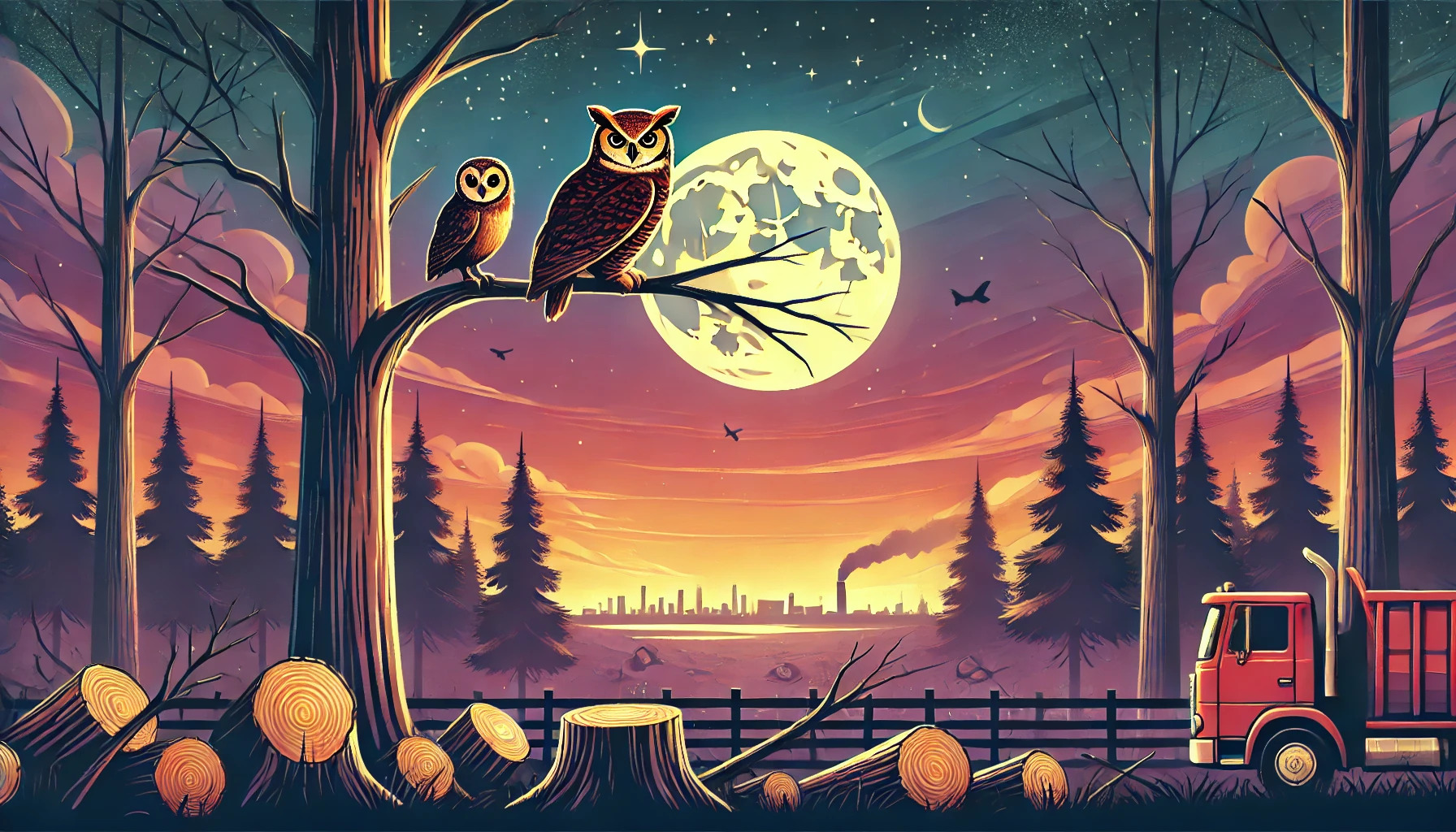
There is a quiet magic in the way an owl’s gaze seems to pierce through the veil of the ordinary, as if it holds the secrets of the night in its luminous eyes. These birds, cloaked in feathers that whisper of ancient forests and moonlit skies, have long captivated human imagination—from the wise Athena’s companion in Greek myth to the silent sentinels of countless folktales. Yet, beyond their mystique, owls face silent threats: habitat loss, pesticide poisoning, and the creeping shadow of human encroachment. Organizing an Owl Awareness Day in your community isn’t just about celebrating their beauty; it’s about awakening a collective reverence for these nocturnal guardians before their voices are stilled forever.
The Why: Unraveling Our Fascination with Owls
Why do owls command such an enduring fascination? Perhaps it’s their paradoxical nature—their ability to be both fiercely independent and deeply social, their eyes that see in the dark while the world sleeps. Or maybe it’s the way they embody the untamed wildness of nature, thriving in a world increasingly tamed by concrete and steel. Owls are the living embodiment of the uncanny, the creatures that blur the line between myth and reality. This duality stirs something primal in us, a reminder that the natural world operates on its own terms, not ours.
But fascination alone won’t save them. The deeper reason we must rally around owls is their role as ecological barometers. As apex predators, they regulate rodent populations, control disease vectors, and maintain the delicate balance of ecosystems. When owls vanish, the ripple effects are catastrophic—fields overrun by pests, forests choked by unchecked growth. Organizing an awareness event isn’t just an act of admiration; it’s a declaration that we refuse to let these silent sentinels disappear without a fight.
Laying the Groundwork: Planning with Purpose
Success begins with a vision as sharp as an owl’s talons. Start by assembling a core team of passionate individuals—local naturalists, educators, artists, and even children who see the world with unfiltered wonder. Diversity in perspective ensures your event resonates across generations. Draft a mission statement that’s both poetic and precise: “To illuminate the ecological significance of owls while fostering a culture of stewardship in our community.”
Next, secure a venue that aligns with your message. A library’s quiet halls can host a lecture series, while a sprawling park offers space for guided night hikes. Consider partnerships with conservation groups, schools, or even local businesses that might sponsor supplies or refreshments. The key is to weave your event into the fabric of the community, making it impossible to ignore.
Timing is everything. Schedule your event around International Owl Awareness Day (August 4th) or align it with a local ecological milestone, like the autumn migration of short-eared owls. A well-timed event ensures maximum attendance and media coverage, amplifying your message far beyond the gathering itself.
Engaging the Senses: Crafting an Immersive Experience
An Owl Awareness Day should be a symphony for the senses—a feast for the eyes, ears, and minds of all who attend. Begin with a visual spectacle: a gallery of owl art, from hyper-realistic paintings to abstract sculptures, each piece a testament to humanity’s enduring obsession with these birds. Commission local artists to create murals or installations that transform public spaces into owl sanctuaries, even if only for a day.
Soundscapes are equally vital. Play recordings of owl calls—hoots echoing through a forest, the eerie trill of a barn owl—while attendees wander through exhibits. Pair these auditory delights with tactile experiences: feather displays, casts of owl pellets, or even a “touch table” where children can feel the rough texture of an owl’s talons. The goal is to make the abstract tangible, to let the community *feel* the presence of these birds in their lives.
Don’t forget the power of scent. Burn cedar or pine incense to evoke the scent of a forest at dusk, or use dried herbs like mugwort to stir memories of moonlit meadows. Scent is the most primal of senses, capable of transporting people to another time and place. Use it to bridge the gap between the event and the wild spaces owls call home.
Education as Empowerment: Workshops and Talks
Knowledge is the first step toward advocacy. Host workshops led by ornithologists, wildlife rehabilitators, or Indigenous elders who share traditional ecological knowledge about owls. Teach attendees how to identify local owl species by their calls, their nests, or the shapes of their silhouettes against the moon. Explain the science behind their silent flight—the serrated edges of their feathers that muffle sound, the asymmetrical ear placement that grants them pinpoint accuracy in the dark.
Dedicate a segment to the threats owls face and the actions people can take. Discuss the dangers of rodenticides, which poison owls when they consume contaminated prey. Highlight the importance of preserving old-growth trees for nesting and protecting grasslands for hunting. Provide actionable steps: installing nest boxes, reducing light pollution, or advocating for pesticide-free zones in local parks. Empowerment comes from knowing that even small actions can ripple outward, creating a safer world for owls.
For younger audiences, craft interactive storytelling sessions where children role-play as owls, learning about their hunting strategies or the challenges of raising chicks. Use puppetry or shadow theater to bring owl folklore to life, ensuring the next generation grows up with a deep, emotional connection to these birds.
Community Collaboration: Turning Awareness into Action
An event’s impact shouldn’t end when the last guest departs. Use the momentum to launch a year-round conservation initiative. Partner with local schools to establish owl monitoring programs, where students track owl populations using trail cameras or citizen science apps like eBird. Organize monthly “Owl Watch” nights where volunteers patrol known habitats, reporting sightings and documenting threats.
Collaborate with municipal governments to designate “Owl Safe Zones” in parks or greenbelts, where artificial lighting is minimized and pesticides are banned. Lobby for the protection of critical habitats, such as wetlands or old-growth forests, by presenting data collected during your event. The more the community invests in owl conservation, the harder it becomes for policymakers to ignore their plight.
Celebrate your successes publicly. Share stories of rescued owls, successful nest box installations, or community-led habitat restorations. Use social media to amplify these victories, tagging local leaders and conservation groups to keep the pressure on. Remember, awareness is the spark—but action is the fire that keeps it burning.
The Ripple Effect: Why This Matters Beyond Owls
An Owl Awareness Day isn’t just about saving one species; it’s about reawakening a sense of kinship with the natural world. Owls are messengers, their presence a reminder that we are not separate from nature but deeply entwined with it. When we fight for their survival, we fight for the survival of the forests, the meadows, the rivers that sustain us all.
Moreover, this work fosters resilience in communities. It teaches people that change is possible when they come together, that even the smallest voice can grow into a chorus. The skills learned—organizing, educating, advocating—are transferable, applicable to any environmental cause. Owls become the gateway, the first step on a journey toward a more sustainable, more compassionate world.
So let your event be more than a day. Let it be a declaration: that your community refuses to let the wild fade into silence. That you see the owls not as relics of a bygone era, but as vital, living partners in the dance of life. And that you are ready to stand guard over the dark, to ensure that the night remains a place of mystery, wonder, and hope—for owls, and for all of us.