The night descends like a velvet shroud, and with it, the unseen world of owls awakens—winged sentinels of the dark, whispering secrets through the air. Their calls, often dismissed as mere echoes of the wilderness, are in truth the sonnets of survival, the symphonies of territory, and the lullabies of courtship. Bioacoustics, the science of capturing and interpreting these vocalizations, has emerged as a powerful tool in the conservationist’s arsenal, offering a window into the lives of these enigmatic birds without disturbing their fragile existence. Through the lens of sound, we peer into the hidden rhythms of owl populations, decoding their dialects to uncover the health of ecosystems and the threats they face. This is not merely science—it is a dialogue with the night itself.
The Language of the Night: Decoding Owl Vocalizations
Owls are not silent poets. Their calls are a complex lexicon, each note a word, each sequence a sentence in the language of the dark. The classic “hoo-hoo” of the great horned owl is but a single phrase in a much larger conversation. Bioacoustics allows us to transcribe these vocalizations into data, revealing patterns that speak of territorial disputes, mating rituals, and even individual personalities. A barred owl’s resonant “Who cooks for you?” is not just a phrase—it is a declaration of presence, a challenge to rivals, and an invitation to potential mates. By analyzing the frequency, duration, and sequence of these calls, researchers can map the social structures of owl communities, identifying dominant individuals and tracking the ebb and flow of populations over time.
The true marvel lies in the subtlety. Owls, like humans, have dialects—regional variations in their calls that reflect genetic isolation or environmental adaptation. A snowy owl’s trill in the Arctic tundra may differ subtly from its counterpart in the boreal forests, a linguistic fingerprint that bioacoustics can trace. This linguistic diversity is not mere curiosity; it is a testament to the resilience of these birds, their ability to adapt their voices to the landscapes they inhabit. In this way, bioacoustics becomes a tool for cultural preservation, ensuring that the unique dialects of owl populations are not lost to the encroaching silence of habitat destruction.

The Invisible Threads: Bioacoustics as a Conservation Compass
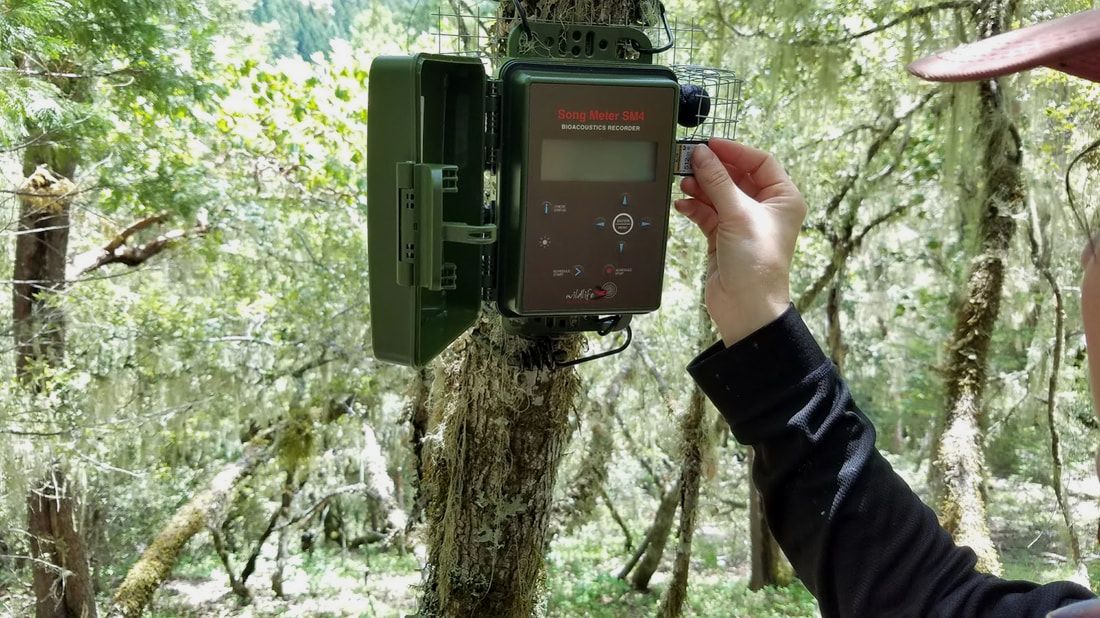
Imagine standing in a dense forest, the air thick with the scent of pine and damp earth. You hear nothing. But place a bioacoustic recorder in the canopy, and suddenly, the night comes alive with a chorus of clicks, chirps, and haunting whistles. This is the power of bioacoustics—it reveals the invisible threads that bind ecosystems together. Owls, as apex predators, are indicators of environmental health. Their presence or absence speaks volumes about the state of their habitats, from the abundance of prey to the integrity of the forest structure.
Bioacoustic monitoring allows conservationists to track owl populations in real-time, identifying declines before they become catastrophic. A sudden drop in the frequency of a species’ calls may signal habitat fragmentation, pesticide use, or the encroachment of invasive species. Conversely, an increase in vocal activity could indicate successful conservation efforts, such as the reintroduction of prey species or the restoration of degraded habitats. This data is not just numbers on a spreadsheet—it is a lifeline, a way to measure the pulse of the wild and intervene before it flatlines. In this sense, bioacoustics is not just a tool; it is a lifeline, a way to listen to the Earth’s heartbeat and act before it stutters and stops.
The applications extend beyond mere population counts. Bioacoustics can also reveal the impacts of climate change. As temperatures rise, owl species may shift their ranges, their calls adapting to new environments. By tracking these changes, researchers can predict future distributions and identify critical habitats that must be protected. It is a dance of data and intuition, where the whispers of the night guide the hands of conservationists, ensuring that the symphony of the wild continues to play.
The Silent Threats: How Bioacoustics Exposes Hidden Dangers
Not all threats to owl populations are visible. The most insidious dangers are those that lurk in the acoustic shadows—noise pollution, light pollution, and the creeping specter of climate change. Bioacoustics shines a light on these invisible foes, exposing their impact in ways that traditional field surveys cannot. The constant hum of traffic, the drone of airplanes, and the cacophony of urban life can drown out the delicate calls of owls, disrupting their communication and forcing them into silence. Light pollution, too, plays a cruel trick, disrupting their nocturnal rhythms and leaving them disoriented in a world that never sleeps.
Climate change is perhaps the most formidable adversary. As temperatures rise, prey species may vanish, forcing owls to adapt or perish. Bioacoustics can detect these shifts in behavior, revealing when owls are forced to alter their hunting patterns or abandon territories altogether. The data is stark: a species that once thrived in a particular forest may now be struggling to survive, its calls growing fainter with each passing year. This is not just a loss of biodiversity—it is a loss of a cultural heritage, a silence that echoes through the generations.
But bioacoustics also offers hope. By identifying the sources of acoustic pollution, conservationists can advocate for quieter roads, darker skies, and more sustainable urban planning. It is a call to action, a reminder that the health of owl populations is intertwined with the health of our own communities. The night is not just a place of darkness—it is a sanctuary, and it is our responsibility to protect it.
The Future of Listening: Innovations in Bioacoustic Technology
The field of bioacoustics is evolving at a breathtaking pace, with new technologies emerging that promise to revolutionize our understanding of owl populations. Artificial intelligence, for instance, is being harnessed to analyze vast datasets of owl calls, identifying patterns and anomalies that human ears might miss. Machine learning algorithms can now distinguish between the calls of different species with astonishing accuracy, even in the midst of a cacophonous night. This is not just a technological marvel—it is a democratization of knowledge, a way to give voice to the voiceless.
Drones equipped with bioacoustic sensors are another frontier. These aerial sentinels can traverse vast and inaccessible landscapes, capturing the calls of owls in remote regions without disturbing their habitats. The data they collect is a treasure trove, offering insights into the lives of owls in places where human presence is rare or impossible. It is a marriage of nature and technology, a way to explore the wild without leaving a trace.
But perhaps the most exciting innovation is the development of citizen science initiatives. By enlisting the help of volunteers to record and analyze owl calls, researchers can expand their reach exponentially. These citizen scientists become the ears of the wild, their contributions invaluable in the fight to protect owl populations. It is a movement that transcends borders, uniting people in a shared mission to listen, learn, and act. The future of bioacoustics is not just in the hands of scientists—it is in the hands of everyone who cares about the night.
The Symphony of Survival: Why Owls Matter
Owls are more than just birds. They are the guardians of the night, the keepers of balance in ecosystems that teeter on the edge of collapse. Their calls are not just sounds—they are the threads that weave the fabric of the wild, connecting species, habitats, and generations. Bioacoustics gives us the tools to listen to this symphony, to understand its rhythms, and to protect it from the encroaching silence of extinction.
In a world where the wild is increasingly under threat, owls remind us of the beauty and complexity of nature. They are the poets of the dark, the silent witnesses to the passage of time. By listening to their calls, we are not just studying biology—we are engaging in a dialogue with the Earth itself. This is the true power of bioacoustics: it transforms the act of listening into an act of conservation, a way to ensure that the night remains alive with the whispers of owls for generations to come.