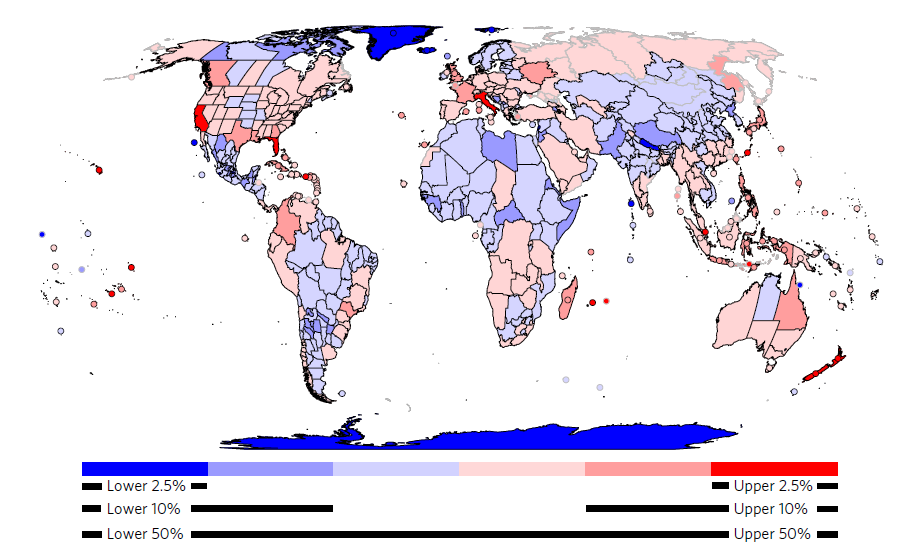
The world is a tapestry of interconnected ecosystems, each thread woven with delicate precision—until globalization yanks them apart. In the shadow of human ambition, invasive species thrive, their spread accelerated by the relentless march of commerce, travel, and ecological disruption. Among these unwelcome invaders, owls—those silent sentinels of the night—have become inadvertent global travelers, their presence reshaping ecosystems in ways we are only beginning to comprehend. This is not merely a tale of ecological disruption; it is a story of unintended consequences, where the globalization of trade and travel has turned these birds of prey into agents of transformation, for better or for worse.
The Unseen Couriers of Globalization
Owls, those enigmatic creatures of the twilight, have long been symbols of wisdom and mystery. Yet, in the age of globalization, they have become something else entirely: silent couriers of ecological change. The same networks that ferry goods across continents—container ships, cargo planes, and international supply chains—have also facilitated the accidental translocation of owl species to foreign lands. What begins as a stowaway in a shipment of timber or a passenger on a transoceanic flight ends with a predator now perched in an unfamiliar forest, its presence sending ripples through the food web.
Consider the barn owl, a species known for its adaptability. Once confined to its native habitats, it now thrives in regions where it was never meant to be. The homogenization of landscapes—through deforestation, urbanization, and agricultural expansion—has created ideal conditions for these invasive owls. They are not invaders by choice but by circumstance, their spread a byproduct of human activity. The irony is stark: the same forces that drive economic growth are also eroding the very biodiversity that sustains us.

The Ecological Domino Effect
When an owl species establishes itself in a new environment, it does not act alone. Its presence triggers a cascade of ecological reactions, each more unpredictable than the last. Native prey species, unaccustomed to the stealth and hunting prowess of these newcomers, face sudden population declines. Ground-nesting birds, small mammals, and even insects find themselves outmatched, their survival strategies rendered obsolete in the face of an apex predator that did not evolve alongside them.
But the impact does not stop there. The decline of these prey species can lead to overpopulation of other organisms, creating imbalances that ripple through the entire ecosystem. Plants may suffer from overgrazing, while predators that relied on the now-depleted prey face starvation. The result is a landscape transformed, its original harmony disrupted by an interloper that arrived uninvited. This is the paradox of globalization: it brings the world closer together, yet in doing so, it unravels the delicate fabric of local ecosystems.
The case of the invasive barred owl in North America is a stark reminder of this phenomenon. Once restricted to eastern forests, this species has expanded its range westward, displacing the native spotted owl. The barred owl’s adaptability and aggressive nature have given it a competitive edge, but at what cost? The loss of the spotted owl is not just a tragedy for biodiversity—it is a warning of the fragility of nature in the face of human-induced change.
The Human Hand in the Night Sky
To understand the spread of invasive owl species, we must look beyond the birds themselves and examine the human systems that enable their movement. The pet trade, for instance, has been a significant vector for owl introductions. Exotic species, prized for their beauty or rarity, are often released into the wild when they become too difficult to care for. What begins as a well-intentioned act of mercy can spiral into ecological disaster when these birds establish themselves in non-native habitats.
Similarly, the expansion of agriculture and logging has created fragmented landscapes where invasive owls can thrive. These birds, with their ability to exploit a wide range of habitats, find new opportunities in the altered environments left in humanity’s wake. The result is a world where the boundaries between native and non-native blur, and the consequences are felt most acutely by the species least equipped to adapt.
Yet, it is not all doom and gloom. The spread of invasive owls also presents an opportunity—a chance to rethink our relationship with the natural world. By studying these species, we gain insights into the resilience of ecosystems and the adaptability of life. The barred owl, for example, has become a subject of intense research, its presence forcing scientists to confront the complexities of species interactions in a changing world.
The Cultural and Symbolic Shifts
Owls have long held a place in human culture, revered as omens, symbols of wisdom, or harbingers of doom. The globalization of owl species has not only ecological but also cultural implications. As these birds take root in new lands, they bring with them the stories and myths that have shaped their identities. A species once confined to a single continent may now inspire folklore in a distant land, its presence altering the cultural landscape as much as the ecological one.
This cultural exchange is a double-edged sword. On one hand, it fosters a sense of global interconnectedness, reminding us that the natural world knows no borders. On the other, it risks erasing the unique narratives of native species, their stories drowned out by the arrival of an invasive interloper. The challenge lies in finding a balance—one that acknowledges the beauty of these birds while respecting the ecosystems they disrupt.
The invasive owl, then, is more than just a predator. It is a mirror, reflecting the unintended consequences of our actions. It challenges us to confront the ways in which globalization has reshaped the world, both for better and for worse. In its silent flight, we see the fragility of nature and the power of human influence—a reminder that every choice we make has consequences, seen and unseen.
Toward a Future of Coexistence
The story of invasive owl species is not one of villainy or triumph but of adaptation and resilience. It is a narrative that demands we shift our perspective, recognizing that the boundaries between native and non-native are not as fixed as we once believed. The challenge ahead is to manage these species in a way that preserves biodiversity while acknowledging the inevitability of change.
This will require innovative solutions—habitat restoration, targeted conservation efforts, and perhaps even the controlled removal of invasive species where necessary. It will also demand a shift in how we view globalization itself. Instead of seeing it as an unstoppable force, we must recognize our role in shaping its outcomes. The invasive owl is not just a symptom of a larger problem; it is a call to action, urging us to rethink our relationship with the natural world.
The night sky, once a canvas of constellations, is now a stage for these silent travelers. Their presence is a reminder that the world is far more interconnected than we realize—and that our actions echo across continents, reshaping ecosystems in ways we are only beginning to understand. The question is not whether we can stop the spread of invasive owls, but whether we are willing to confront the broader implications of globalization and forge a future where humans and nature coexist in harmony.