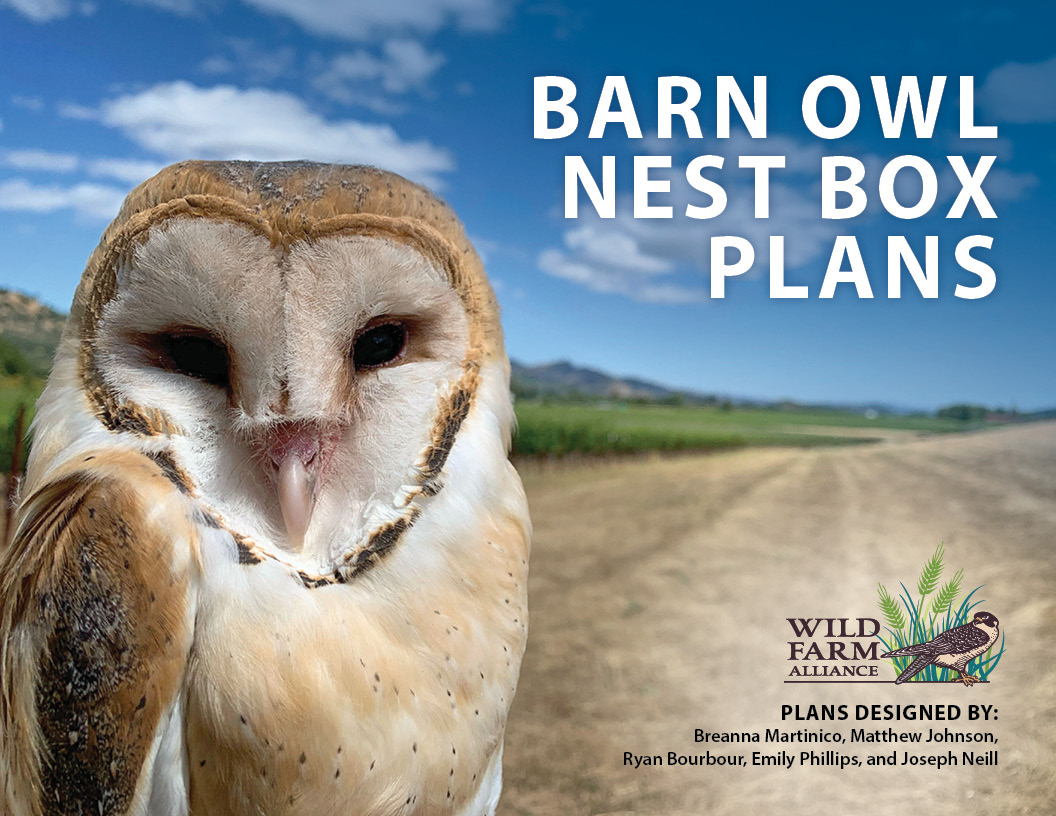
In the shadowed realms where ancient forests whisper secrets to the wind, a silent revolution is unfolding—not with the roar of chainsaws or the crash of falling timber, but with the soft, insistent call of conservation. Nest box programs, those unassuming wooden sanctuaries, have become the unsung heroes of ecological detective work, particularly for the elusive and imperiled spotted owl. These programs are not merely about providing shelter; they are about unlocking the chronicles of reproductive success, a vital chapter in the survival narrative of a species teetering on the edge of existence. Through meticulous observation and strategic intervention, nest boxes have emerged as both a lifeline and a lens, offering scientists and activists alike a rare glimpse into the intimate ballet of owl reproduction—a dance as delicate as it is critical.
The Silent Sentinels: How Nest Boxes Became the Eyes of the Forest
Imagine, if you will, a forest where the canopy is a cathedral of towering conifers, their branches weaving a lattice of shadows and light. Here, the spotted owl reigns as a spectral monarch, its mottled plumage blending seamlessly with the bark of ancient trees. Yet, this kingdom is under siege—not by invaders with swords or torches, but by the creeping tendrils of habitat fragmentation and climate change. In such a precarious landscape, nest boxes serve as silent sentinels, standing in for the hollows of old-growth trees that have long since vanished.
These artificial cavities are more than just wooden structures; they are portals into the private lives of owls. By strategically placing nest boxes in areas where natural cavities are scarce, researchers transform the forest into a living laboratory. The owls, ever the opportunists, adopt these boxes with a fervor that borders on the poetic. Each nest box becomes a stage where the drama of courtship, nesting, and fledging unfolds under the watchful gaze of human observers. The data collected—clutch sizes, hatching rates, fledgling survival—paints a portrait of reproductive resilience, a testament to the owl’s ability to adapt in a world that has done its best to erase its habitat.
The Reproductive Tapestry: Weaving Science and Conservation
To understand the reproductive success of the spotted owl is to unravel a tapestry woven with threads of biology, ecology, and sheer tenacity. Nest box programs have become the loom on which this tapestry is constructed, thread by meticulous thread. Each year, as owls return to their chosen boxes, researchers document the nuances of their breeding cycles with the precision of a horologist. Egg-laying dates, incubation periods, and chick growth rates are recorded with a reverence usually reserved for sacred texts. These metrics are not mere numbers; they are the pulse of a species fighting to persist.
The spotted owl’s reproductive success is a barometer of forest health. A thriving owl population signals an ecosystem in balance, where prey is abundant and nesting sites are secure. Conversely, declining reproductive rates may herald the unraveling of the forest’s delicate fabric. Nest box programs, therefore, are not just about owls—they are about the health of entire ecosystems. By monitoring these artificial nests, scientists can detect early warning signs of environmental distress, allowing for proactive conservation measures before it’s too late. In this way, the humble nest box becomes a sentinel of the forest’s soul.
The Owl’s Lullaby: Courtship, Clutch, and the Dance of Survival
There is a rhythm to the spotted owl’s reproductive cycle, a lullaby sung in the hush of twilight. It begins with courtship, a duet of hoots and screeches that echoes through the trees like a secret handshake among the initiated. Males, ever the showmen, perform aerial displays to woo their mates, their wings cutting through the air with a grace that belies their size. Once paired, the female selects a nest site—traditionally a hollow in an old-growth tree—and lays her clutch of eggs, usually numbering two or three. The male, a steadfast provider, brings her food as she incubates the eggs, a process that lasts roughly a month.
Here, nest boxes play a pivotal role. In forests where natural cavities are scarce, these artificial nests become the difference between a successful breeding season and a missed opportunity. The owls, pragmatic as they are, do not discriminate between a tree hollow and a wooden box. They adapt, they thrive, and they reproduce. The data collected from these nests reveals the intricacies of their reproductive biology—how environmental factors like temperature and prey availability influence clutch size, how sibling rivalry can impact fledgling survival, and how the loss of a single adult can ripple through the population like a stone dropped into still water. Each nest box is a chapter in this story, a fragment of a larger narrative about survival in the face of adversity.
The Fledgling Frontier: From Nest to Sky
The journey from egg to fledgling is fraught with peril. For the spotted owl, the first few months of life are a gauntlet of predators, inclement weather, and the ever-present threat of habitat loss. Nest box programs offer a glimmer of hope in this treacherous landscape. By providing secure nesting sites, these programs give owlets a fighting chance to reach adulthood. Researchers monitor the growth and development of chicks, tracking their progress with the same intensity as a parent watching over a child’s first steps. The moment a fledgling takes its first flight is a triumph, a fleeting but profound victory in the battle for survival.
Yet, the story does not end there. The fledglings must disperse, leaving the safety of their natal nests to carve out territories of their own. This dispersal phase is critical, as it determines the genetic diversity and long-term viability of the population. Nest box programs, by increasing the number of available nesting sites, can facilitate this dispersal, ensuring that young owls have the opportunity to find homes in new territories. In this way, these programs are not just about immediate reproductive success; they are about securing the future of the species, one fledgling at a time.
The Forest’s Whisper: Conservation Beyond the Nest Box
While nest box programs are a vital tool in the conservation arsenal, they are but one piece of a much larger puzzle. The spotted owl’s survival depends on the health of the entire forest ecosystem—old-growth trees for nesting, diverse prey populations, and undisturbed habitats free from the encroachment of human development. Nest boxes are a stopgap measure, a way to buy time while larger conservation efforts take root. They are a reminder that sometimes, the most effective solutions are the simplest ones: providing shelter, ensuring safety, and allowing nature to reclaim its dominion.
Yet, the true power of nest box programs lies in their ability to inspire. They transform passive observers into active participants, turning the abstract concept of conservation into a tangible, hands-on endeavor. Volunteers, researchers, and even schoolchildren can contribute to the monitoring and maintenance of nest boxes, fostering a sense of stewardship and connection to the natural world. In this way, nest box programs become more than just a conservation tool; they are a movement, a call to arms for those who refuse to let the spotted owl fade into the annals of extinction.
The Unseen Heroes: A Tribute to the Spotted Owl
In the grand theater of nature, the spotted owl is a protagonist of quiet dignity, its story one of resilience and adaptation. Nest box programs have given us the privilege of witnessing this story unfold, of bearing witness to the owl’s reproductive triumphs and tribulations. They remind us that conservation is not a sprint but a marathon, a series of small, deliberate steps that collectively lead to lasting change. As we stand in the twilight of the forest, listening to the distant hoot of an owl, we are reminded of the fragility and beauty of life—and the urgent need to protect it.
The nest box, humble and unassuming, is a symbol of hope. It is a testament to human ingenuity, a bridge between the past and the future, and a beacon of light in the darkness of environmental decline. In its wooden embrace, the spotted owl finds sanctuary. In its data, scientists find answers. And in its story, we find a reason to fight—for the owls, for the forests, and for the wild, untamed spirit of the natural world.