The Arctic is not what it once was. Beneath the shimmering veil of the aurora borealis, a silent transformation is unfolding—one that is reshaping the very fabric of life in the tundra. The once-frozen expanse is greening. Shrubs are creeping northward. Grasses are thickening. And with this verdant shift, the hunting grounds of the snowy owl, that ghostly sentinel of the polar night, are being rewritten. This is not merely a tale of climate change. It is a story of survival, adaptation, and the unyielding resilience of nature in the face of relentless transformation. The Arctic is greening, and the snowy owl is learning to dance with the wind in ways we are only beginning to understand.
The Thawing Canvas: How Climate Change is Redrawing the Arctic Landscape
The Arctic is warming at a rate more than twice as fast as the global average—a phenomenon known as Arctic amplification. This isn’t just about melting ice; it’s about the cascading effects of a warmer atmosphere and ocean. Permafrost, that ancient, frozen layer of earth, is thawing. With it, the soil softens, allowing nutrients to leach away and vegetation to take root in places where only lichen and moss once clung. Shrubs like dwarf birch and willow, once stunted by the cold, now stretch their branches skyward, forming dense thickets that were unimaginable a century ago. This greening is not a gentle brushstroke—it’s a bold, sweeping change, one that is redefining the ecological stage upon which the snowy owl performs its life-or-death ballet.
But why does this matter for the snowy owl? Because the owl’s hunting success hinges on visibility, mobility, and prey availability. A landscape cloaked in snow offers a stark, unobstructed view of lemmings scurrying beneath the surface. A shrub-choked tundra, however, creates a labyrinth of shadows and hiding places. The owl’s once-reliable hunting grounds are becoming fragmented, forcing it to adapt or perish. This is not just a shift in habitat—it’s a fundamental rewriting of the rules of engagement in the Arctic’s most ancient predator-prey dynamic.
The Lemming Paradox: When Prey Becomes Elusive in a Greening Tundra
At the heart of the snowy owl’s survival lies the lemming—a small, unassuming rodent that thrives in the open, barren expanses of the tundra. Lemmings are the owl’s bread and butter, the pulse of the Arctic food web. But as the tundra greens, lemmings face a crisis of their own. Their populations are cyclical, booming and crashing in predictable patterns. Yet, in a greening landscape, their habitat is shrinking. Dense shrubs provide cover for predators like foxes and weasels, which prey on lemmings. The result? A paradox: as the Arctic becomes more habitable for larger animals, it becomes less so for the very creatures that sustain the snowy owl.
This isn’t just a numbers game—it’s a behavioral one. Lemmings, once forced to forage in the open, now have the luxury of concealment. They can burrow deeper, nest in thicker vegetation, and avoid the aerial scrutiny of the owl. For the snowy owl, this means longer, hungrier days. Studies suggest that owl populations in greening regions are declining, not because of direct competition, but because of the indirect erosion of their primary food source. The lemming, that tiny titan of the tundra, is becoming a ghost in the machine of the Arctic ecosystem.
The Owl’s Gambit: Adaptation or Extinction in a Shifting World
Nature is not static, and neither is the snowy owl. In the face of adversity, some individuals are rewriting their hunting strategies. Where once they relied solely on lemmings, they are now turning to alternative prey—birds, rabbits, even fish. But this is not without cost. These prey items are harder to catch, less nutritious, and often require more energy to hunt. The owl’s once-efficient hunting style, honed over millennia, is being forced into a state of constant reinvention.
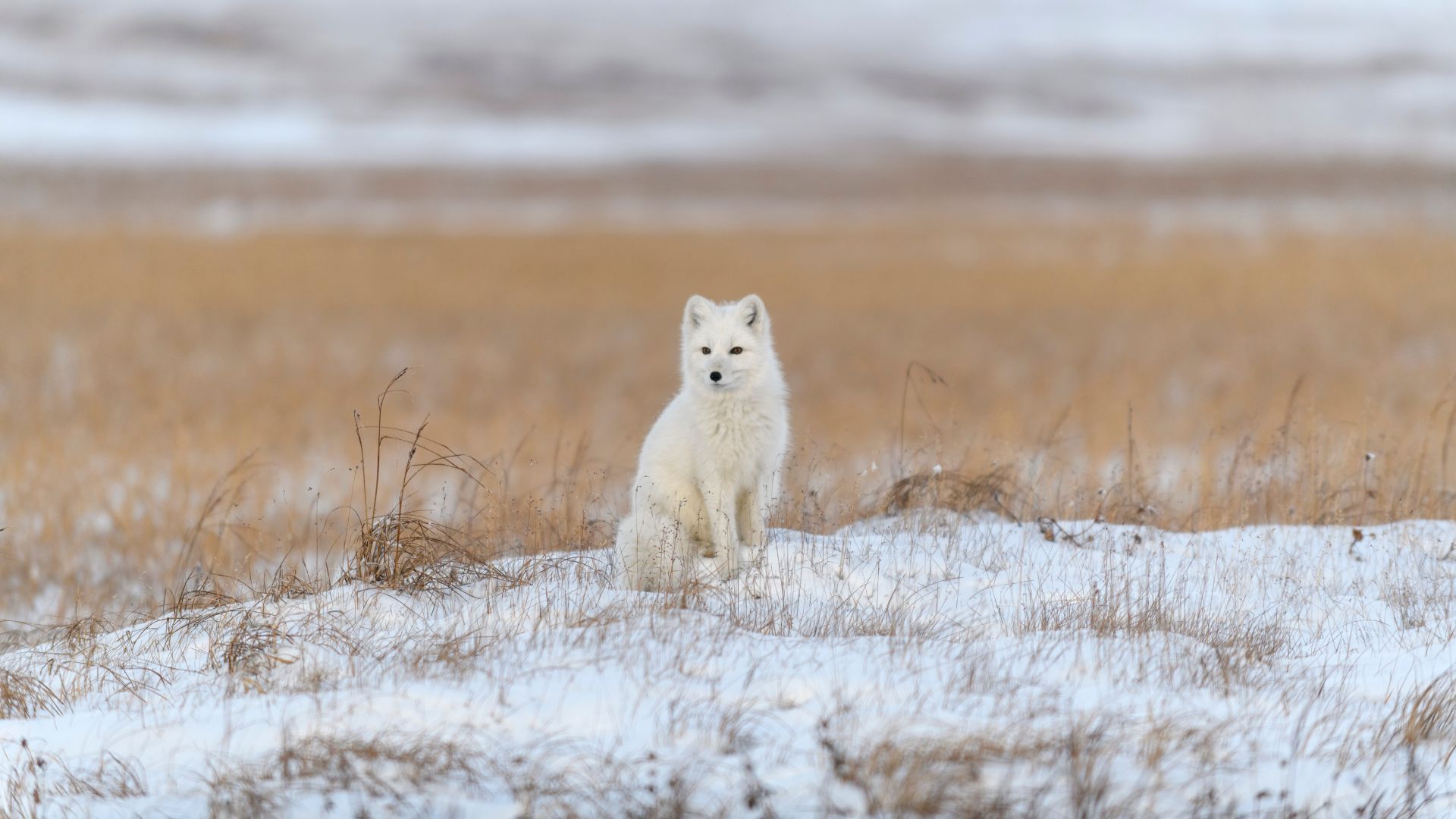
There is a darker side to this adaptation. As the Arctic greens, new predators are moving in. Ravens, once rare in the high Arctic, are now thriving in shrubby areas, competing with owls for food and nesting sites. Even Arctic foxes, traditionally the owl’s rivals, are benefiting from the greening, their populations swelling as they exploit the new vegetation. The snowy owl, once the undisputed monarch of the tundra, is finding itself in a crowded, competitive arena where every advantage is contested.
Yet, adaptation is not impossible. Some owls are shifting their hunting times, becoming more nocturnal to avoid competition. Others are expanding their ranges, venturing into areas where shrubs have not yet taken over. But these adaptations come with risks. Migration is energetically costly. New territories may lack the prey density of traditional hunting grounds. And as the Arctic continues to warm, even these adaptations may prove insufficient. The snowy owl is caught in a race against time, a race where the finish line is constantly moving.
The Silent Witness: What the Greening Arctic Tells Us About Our Future
The story of the snowy owl is not just about one species. It is a microcosm of the broader changes sweeping across the planet. The Arctic is a canary in the coal mine, a place where the effects of climate change are writ large and undeniable. The greening of the tundra is a visible symptom of a planet out of balance—a planet where the rules of survival are being rewritten in real time.
What does this mean for us? It means that the Arctic is not a distant, frozen wasteland, but a living, breathing entity that is intricately connected to our own survival. The snowy owl’s struggle is a reflection of our own. It is a reminder that adaptation is not optional—it is essential. And it is a warning that the choices we make today will determine the fate of the Arctic tomorrow.
As we watch the tundra transform, we must ask ourselves: Are we prepared to witness the decline of a species that has thrived in the harshest of conditions for thousands of years? Or will we act—not just to mitigate climate change, but to ensure that the Arctic remains a place where the snowy owl can continue to soar, a ghost in the machine of a changing world?
The Arctic is greening. The snowy owl is adapting. The question is: Will we?