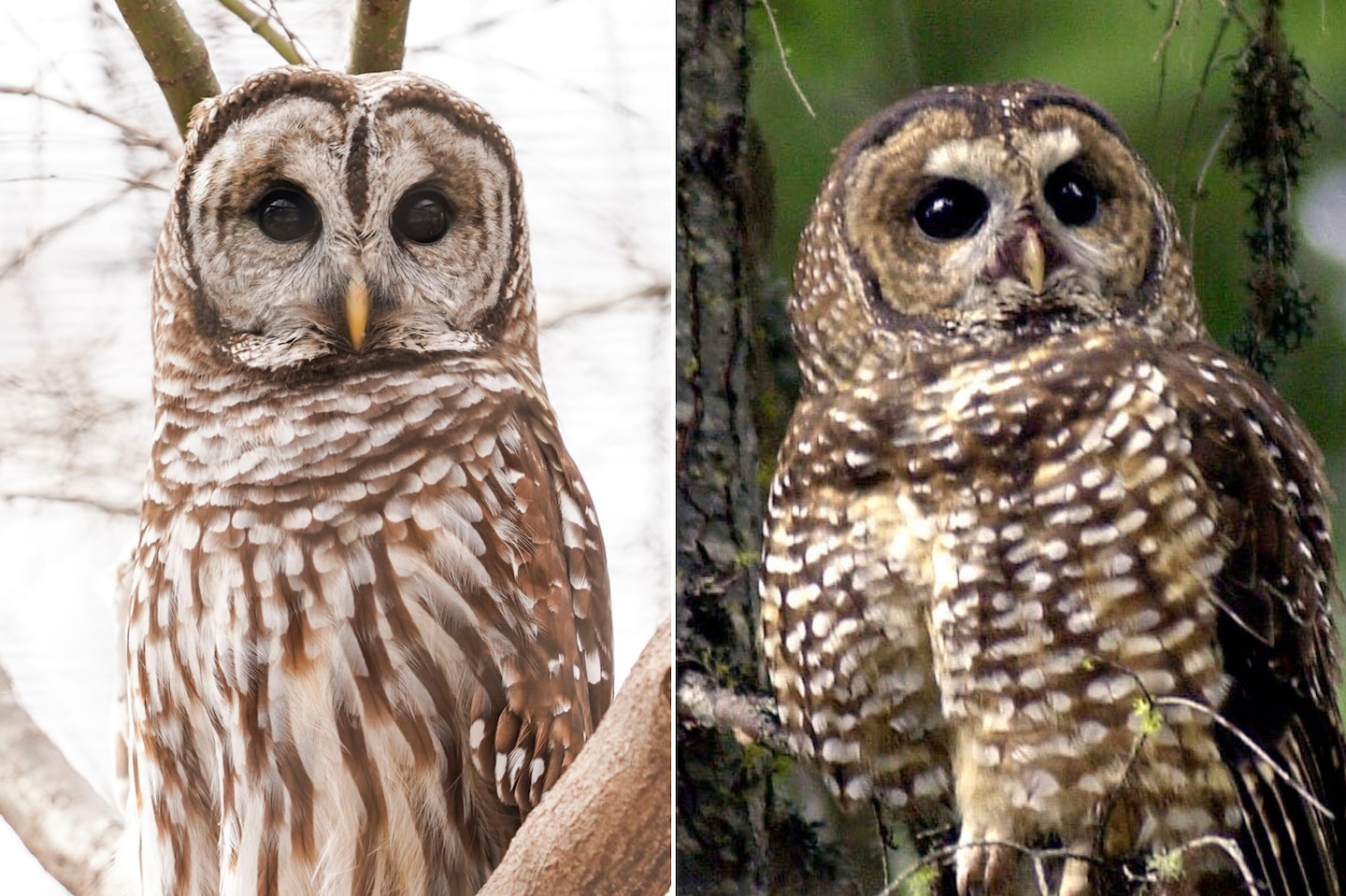
In the shadowy amphitheater of ancient forests, the spotted owl perches as a spectral sentinel—an emblem not merely of wilderness, but of a delicate balance long threatened by rapid modern encroachment. This elusive bird, cloaked in mottled feathers that resemble the dappling of light through dense canopies, is a symbol woven into the cultural and ecological tapestry of North America’s temperate rainforests. But why does the spotted owl resonate so powerfully within our collective consciousness? Its significance transcends biology, touching upon threads of mythology, environmental ethics, and the very soul of the landscapes it inhabits.
The Spotted Owl as a Mythic Archetype
The spotted owl’s quiet, cryptic presence has unfurled across the mythological landscape much like a whispered legend in a twilight forest. Owls, in many cultures, are creatures of portent, bridges between worlds, guardians of esoteric knowledge. The spotted owl, with its spotted plumage reminiscent of stardust scattered across a night sky, evokes a mystical aura—a living metaphor for the elusive mysteries of the natural world. This bird occupies a liminal space where science and folklore intertwine, inspiring wonder while embodying the intangible spirit of the ancient woods.
Indigenous cultures know the owl not just as a bird but as a messenger. For countless generations, the spotted owl’s calls threaded through the forest like a language of nature’s subtle warnings and wisdom. Its iconic status emerges from this cultural reverence—where feathered flight is inseparable from the stories, spirituality, and moral lessons embedded in native heritage. The owl’s silent glide through shadowed branches is evocative of ancestral journeys—silent, watchful, and infinitely wise.
A Beacon of Ecological Integrity
Beyond its mythic symbolism lies the spotted owl’s role as an ecological linchpin. It embodies the health of an entire biome—the ancient old-growth forests where towering conifers stand like cathedral columns. These birds thrive only in the most unspoiled habitats, making them an exquisite bioindicator of environmental quality. Their presence is a living litmus test for the forest’s vitality, and their decline signals systemic unraveling.
The spotted owl is an emblem of interconnectedness. Its reliance on expansive territories evokes an orchestra of biodiversity: from the underbrush teeming with amphibians to the apex carnivores that traverse these woods. Its quiet vigilance ensures the forest’s narrative continues, from the soil microbes beneath to the canopy creatures above. Protecting the spotted owl often means safeguarding entire ecosystems that cannot be easily replaced or replicated—a tangible metaphor for ecological stewardship and the necessity of preserving wilderness as a holistic entity.
Symbol of Conservation and Conflict
The cultural significance of the spotted owl is inextricably linked to one of the most poignant environmental battles of recent history. Its plight became a clarion call during the conservation movements of the late 20th century, spotlighting the tensions between rapid industrial expansion and the imperative of preserving natural heritage. The owl, almost a silent diplomat, stood at the crossroads of human ambition and nature’s resilience.
This raptor’s story transcends mere survival; it became a symbol of the ethical quandaries faced by society—how to weigh economic growth against environmental preservation. Protecting the spotted owl invoked impassioned debates, from legal corridors to logging camps. Here, the bird soared as an icon of resistance, resilience, and the complexity of coexistence in a world where wilderness is increasingly fragile. Its image is etched in the consciousness of ecological activism, a reminder that some battles shape the very ethos by which we steward the earth.
The Owl’s Unique Aesthetic and Acoustic Appeal
Few creatures can boast the singular charisma of the spotted owl. Its plumage, a subtle tapestry of soft grays, browns, and whites, mimics the dappled sunlight through leaves with such uncanny precision that it renders the owl nearly invisible—a masterclass in natural camouflage. This visual poetry resonates deeply with human beings, who find beauty in patterns that echo nature’s complexity and subtlety.
Moreover, the owl’s voice—a haunting, melancholic hoot that can pierce the stillness of night—transcends mere sound. It is an evocative, almost mystical call that stirs primal emotions, conjuring images of ancient forests cloaked in mystery. Its nocturnal song creates an aural connection that many describe as both eerie and enchanting, reinforcing its status as an icon of wilderness itself.
A Reflection of Our Own Relationship with Nature
In many ways, the spotted owl acts as a mirror, reflecting humanity’s evolving relationship with nature. As modernity accelerates, the owl’s precarious existence compels us to confront the consequences of our actions—deforestation, habitat fragmentation, and industrial encroachment. This bird’s fate symbolizes the broader narrative of environmental vulnerability and the urgent need for sustainable coexistence.
The owl’s cultural significance calls us to re-examine our values, urging us to embrace conservation not as a peripheral concern but as a core ethical imperative. It reminds us that the survival of one species is emblematic of the health of many, and by extension, our own well-being. The spotted owl, in its quiet dignity, challenges us to rethink our stewardship of the natural world, inspiring a deeper, more empathetic sense of responsibility.
Enduring Legacy in Popular Culture and Environmental Thought
The iconic imagery of the spotted owl has permeated art, literature, and environmental discourse, transforming it into a potent symbol that transcends its biological identity. It appears on campaign posters, in evocative poetry, and in photographic art as an emblem of wildness and fragility. Its distinctive visage elicits instantaneous recognition and emotional resonance, cementing its role as a cultural touchstone.
Furthermore, the owl’s legacy permeates environmental thought, embodying the principles of habitat conservation, biodiversity, and a profound respect for nature’s intrinsic value. Its story continues to inspire not only legal protections but also philosophical reflection on humanity’s place within the ecological web. The spotted owl serves as an enduring muse—its silent wings carrying the aspirations of generations striving to harmonize progress with preservation.