In the ancient tapestry of North American forests, the barred owl has woven itself into a narrative of quiet conquest and ecological adaptation. Once overshadowed by the elusive spotted owl, this larger, more versatile raptor is now charting a bold expansion into territories formerly dominated by its cousin. The shift in dominance is not just a simple tale of one species supplanting another; it is a complex interlude of behavioral innovation, environmental change, and competitive prowess. Understanding the barred owl’s nesting habits unfolds a story of relentless survival instincts paired with opportunistic colonization, illuminating how these enigmatic birds have come to flourish in the contested realms of the spotted owl.
The Ecological Theatre of Barred Owl Nesting
Barred owls (Strix varia) are consummate adapters, thriving in diverse forest habitats ranging from dense woodlands to suburban fringes. Their nesting strategies encapsulate this flexibility, distinguishing them from the spotted owl with whom they increasingly share ecosystems. Unlike some raptors that exclusively excavate nesting cavities, barred owls are more opportunistic, utilizing abandoned nests of other birds, hollow tree cavities, nest boxes, and even occasionally constructing a platform of sticks high in the forest canopy. Their ability to employ a variety of nesting sites is a crucial factor behind their territorial expansion.
This ecological plasticity allows them to exploit habitats altered by human activity or natural disturbances, areas where spotted owls tend to decline. Barred owls’ nesting preferences often congregate near water sources such as rivers and wetlands, providing a rich buffet of prey that further supports their reproductive success. Their nests, often lined with leaves, feathers, and other soft materials, create a secluded sanctuary for their clutch, typically composed of two to four eggs.
Competitive Dynamics and Overlapping Territories
The ascendance of barred owls into spotted owl habitats is not merely an incidental occurrence—it is a calculated ecological encroachment characterized by fierce competition. Spotted owls (Strix occidentalis), with their narrower habitat requirements and preference for old-growth forests, find themselves increasingly edged out as barred owls exploit more varied environments. This competition extends beyond mere territory; it delves into food resources and nesting sites, creating a complex web of interspecific interactions.
Barred owls’ aggressive demeanor and tolerance for human-disturbed habitats give them an edge. They are often larger and more vocally domineering, traits that intimidate spotted owls and dissuade them from prime nesting areas. This dynamic results in the barred owl gradually usurping the more specialized niche once held by spotted owls, leading to marked shifts in avian community structures across western forests.
Innovations in Nesting Site Selection
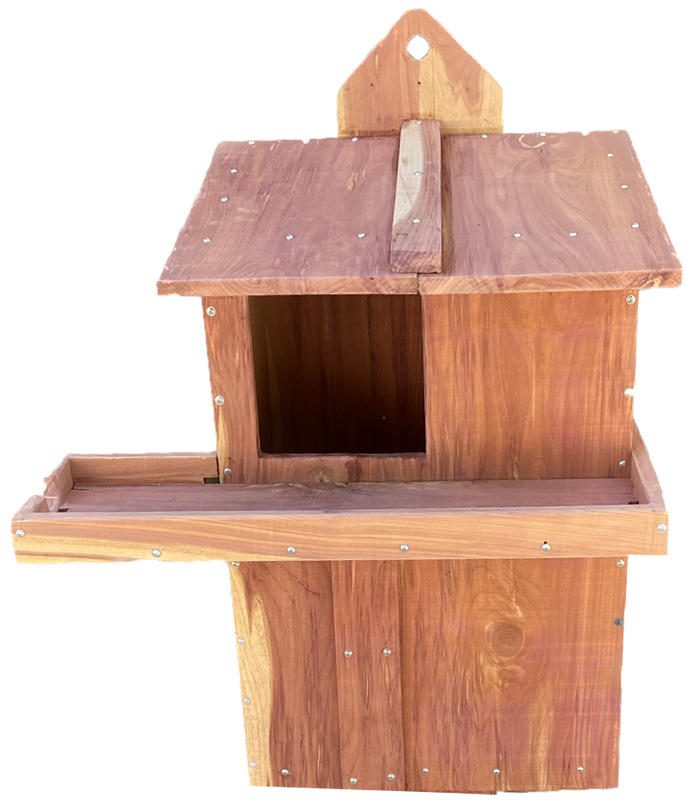
One of the most fascinating aspects of barred owls’ nesting behavior is their inventive use of nesting boxes, which has implications for their territorial proliferation. These artificial nesting platforms, often installed by wildlife enthusiasts and conservationists, have inadvertently contributed to the barred owl’s reproductive success. The adaptability to these novel sites signifies an evolutionary advantage in a rapidly changing landscape.
Barred owls embrace nesting boxes with remarkable fortitude, demonstrating flexibility that contrasts with the spotted owl’s highly selective nesting criteria. These boxes provide safe havens from predators and harsh weather conditions, increasing hatchling survival rates. As a result, barred owl populations buoyed by such reproductive sanctuaries solidify their presence in contested geographies, thereby accelerating their encroachment into spotted owl territories.
Implications for Spotted Owl Conservation
The expansion of barred owls into spotted owl domains poses significant challenges for conservation efforts. Spotted owls are designated as threatened species with legal protections aimed at preserving their old-growth forest habitats. The invasion by barred owls complicates these initiatives, as ecological displacement intensifies and hybridization threats loom.
Managing this interspecies rivalry demands nuanced approaches—balancing ecosystem integrity with species-specific preservation. Conservationists are exploring targeted removal of barred owls in critical spotted owl areas, habitat restoration to favor spotted owl nesting conditions, and enhanced scientific monitoring to understand the nuanced behaviors underlying these shifts. Understanding barred owl nesting habits in detail is indispensable for devising effective stratagems to preserve the delicate equilibrium of forest avifauna.
The Broader Ecological Consequences of Owls’ Territorial Shifts
Beyond the immediate impact on spotted owls, barred owl colonization influences broader forest ecology. Changes in predation dynamics affect prey populations such as small mammals, amphibians, and birds, potentially cascading through trophic levels. The introduction of a dominant predator with a more generalist diet influences biodiversity and habitat composition.
Moreover, the barred owl’s resilience amid anthropogenic landscape changes signifies an ongoing ecological narrative of adaptation and survival in the Anthropocene. Their expanding footprint is both a barometer of environmental shifts and a catalyst for new community assemblages. By examining their nesting habits, one gains insight into how species interactions and habitat preferences drive ecological transformations.
Future Research and Citizen Science Opportunities
The story of barred owls’ territorial expansion is far from concluded. Continued research is vital to unravel the complexities of their reproductive ecology, interspecific competition, and responses to environmental pressures. Tracking nesting success rates, site fidelity, and juvenile dispersion patterns remain key areas of inquiry.
Amateur naturalists and citizen scientists play an influential role in this endeavor. By participating in owl monitoring programs, recording nesting activity, and supporting habitat conservation efforts, they contribute invaluable data to conservation biology. Efforts to install and maintain nesting boxes tailored to both barred and spotted owls can help manage populations and foster coexistence where feasible.
This collective engagement not only deepens scientific understanding but also fosters a sense of stewardship for these magnificent nocturnal sentinels and the forest landscapes they inhabit.