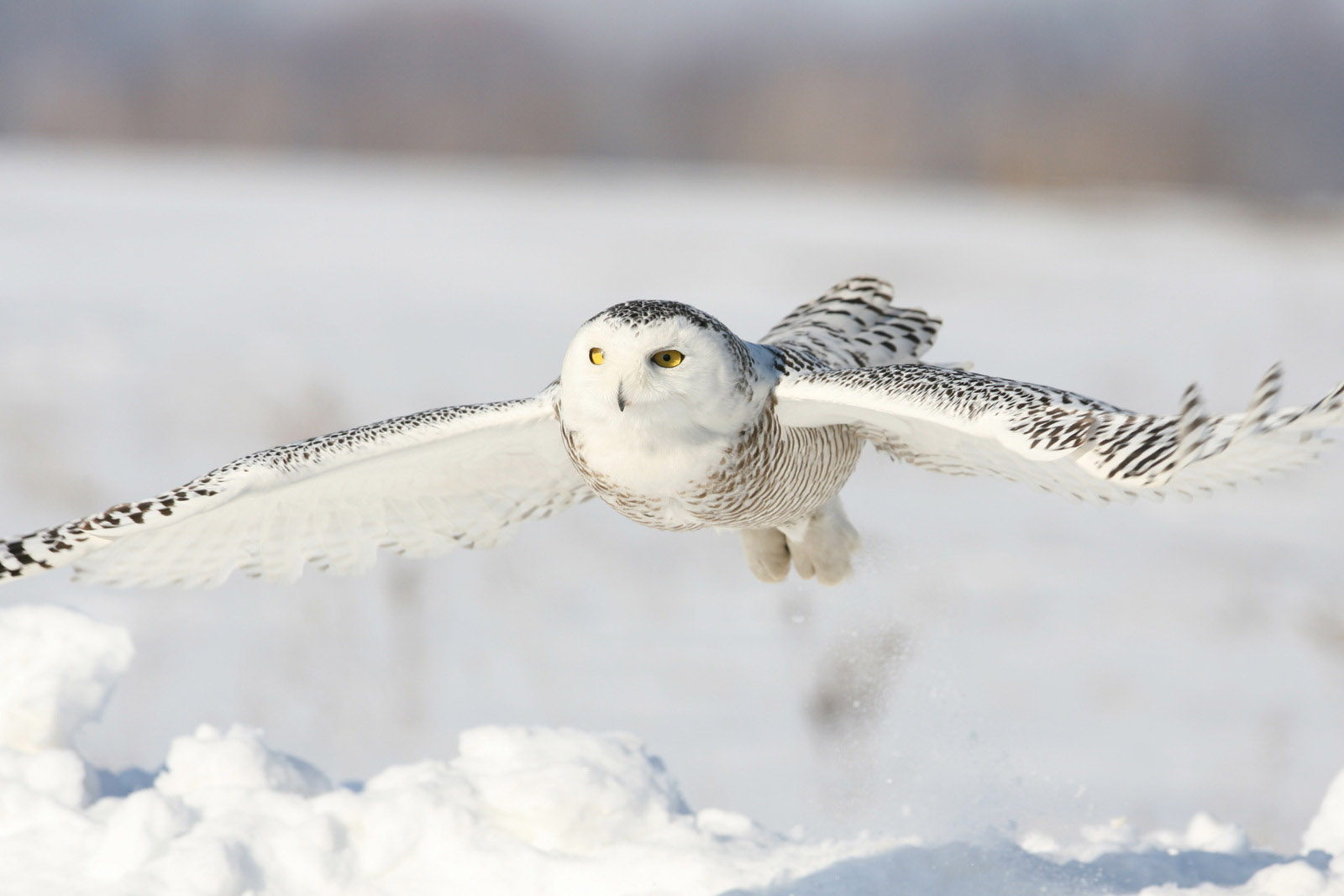
The haunting spectacle of a snowy owl suddenly appearing far south of its usual Arctic haunts has captivated birdwatchers and naturalists for centuries. These enigmatic irruptions—mass movements of snowy owls into regions where they are rarely seen—spark wonder and curiosity in equal measure. Yet, beneath the allure of their ghostly white feathers and piercing yellow eyes lies an intricate web of ecological dynamics, increasingly interwoven with the accelerating pulse of Arctic warming. The phenomenon is more than just a random migration anomaly; it is a profound indicator of shifting balances in Arctic ecosystems and the ripple effects spilling over into the wider world.
The Enigma of Snowy Owl Irruptions
Snowy owl irruptions have long been a subject of fascination, marked by their unpredictable timing and scale. Unlike typical migrations driven by seasonal necessity, these irruptions occur sporadically, sweeping large numbers of owls far beyond their usual territories. In some years, towns and cities well to the south have been graced—or perplexed—by these transient visitors. The spectacle can seem almost otherworldly: ghostly white hunters, perfectly adapted to the frozen tundra, suddenly inhabiting places as diverse as the urban sprawls of the northern United States or the plains of southern Canada. This irregular phenomenon naturally invites questions. Why do they appear? What triggers these extraordinary movements?
Prey Cycles and Population Fluctuations: The Primary Catalyst
At the heart of snowy owl irruptions lie the cyclic boom-and-bust dynamics of their primary prey: lemmings and other small tundra rodents. When lemming populations surge, snowy owls thrive and breed prolifically, resulting in a bumper crop of young owls. Conversely, lemming crashes leave owls starving and desperate. In lean years, the lack of prey forces owls to wander farther afield in search of sustenance, prompting unusual southward movements. These tightly coupled predator-prey relationships create a pendulum of abundance and scarcity that underpins irruption events. Yet while these prey cycles remain a critical factor, they do not wholly explain the increasing frequency and intensity of irruptions in recent decades.
Arctic Warming: An Intensifying Influence
The Arctic is warming at an unprecedented rate—approximately twice the global average—a phenomenon known as Arctic amplification. This rapid temperature escalation has profound implications not only for the frozen landscape but for its complex ecological web. As the tundra warms and snow cover diminishes, the delicate habitat supporting lemming populations undergoes dramatic transformation. Earlier snowmelts and thinner snowpacks reduce the protective insulating layer that lemmings rely on during harsh winters. This undermines their survival rates and disrupts their breeding success, contributing to deeper and more protracted lemming population lows. In turn, these ecological stresses cascade to their predators. Snowy owls, confronted with fewer local prey, are compelled to irrupt more frequently and over greater distances, sometimes converging in astonishing numbers in southern latitudes.
Changing Landscape: Habitat Shifts and Energy Constraints
Beyond prey availability, the warming Arctic reshapes the very habitat snowy owls have evolved to dominate. The once-persistent permafrost begins to thaw, leading to altered tundra vegetation and changes in insect populations that indirectly affect the food web. Shrub encroachment replaces open, snow-covered landscapes with denser vegetation, which may reduce visibility— a serious detriment for a predator that hunts by sight. These habitat alterations impose novel energetic demands on snowy owls, forcing them to expend more effort to locate prey. When the energetic cost of survival outweighs local resources, irruptions become an adaptive dispersal mechanism, a way to hedge bets against an uncertain environment. The changing landscape, thus, acts as both a push and a pull factor in driving irruptive behavior.
Phenological Disruptions: Timing Out of Sync
Phenology—the timing of biological events—is a finely tuned orchestra in which predator and prey cycles interlock. Arctic warming disturbs this delicate synchrony. Earlier springs and prolonged summers shift the emergence and peak activity periods of many tundra species. If lemmings breed earlier or experience population stress at different times, snowy owls’ breeding and hunting schedules may become misaligned with optimum prey availability. These mismatches exacerbate food scarcity during critical nesting periods and can trigger failed breeding seasons. The resulting cohort of juveniles, weakened or displaced, may drive higher rates of irruption as young owls seek food-dense areas outside their shrinking Arctic strongholds.
Human Encroachment and Conservation Concerns
While the direct influence of human presence on snowy owl irruptions is subtle, it cannot be ignored. Expanding northern human activity—mining, infrastructure development, and increased shipping—disturbs habitats and may indirectly intensify stresses on lemming communities and owls alike. Concurrently, irruptions bring snowy owls into closer contact with humans, exposing them to novel threats such as collisions, poisoning, and habitat disturbance in unfamiliar non-Arctic environments. Conservationists face a paradox: irruptions provide unique opportunities for public engagement and ecological education, yet the underlying drivers signal an increasingly fragile Arctic ecosystem. Safeguarding snowy owls demands a holistic approach—one that integrates climate mitigation, habitat protection, and robust monitoring of population dynamics.
Symbolism and the Urgency of Arctic Change
There is an almost mythic quality to snowy owls and their irruptions. Their sudden emergence far from the ice evokes portentous imagery of a planet in flux. These irruptions serve as living barometers, silent messengers of an Arctic environment under siege. They compel us to acknowledge the intricate interdependencies shaping life in extreme latitudes and challenge us to comprehend the far-reaching consequences of warming. Beyond the realm of science, snowy owl irruptions resonate deeply with human imagination, stirring a collective awareness that the forces driving these ghostly birds south are inexorably tied to our shared destiny. In their wings, the story of a rapidly warming Arctic unfolds—urgent, poignant, and unrelentingly real.