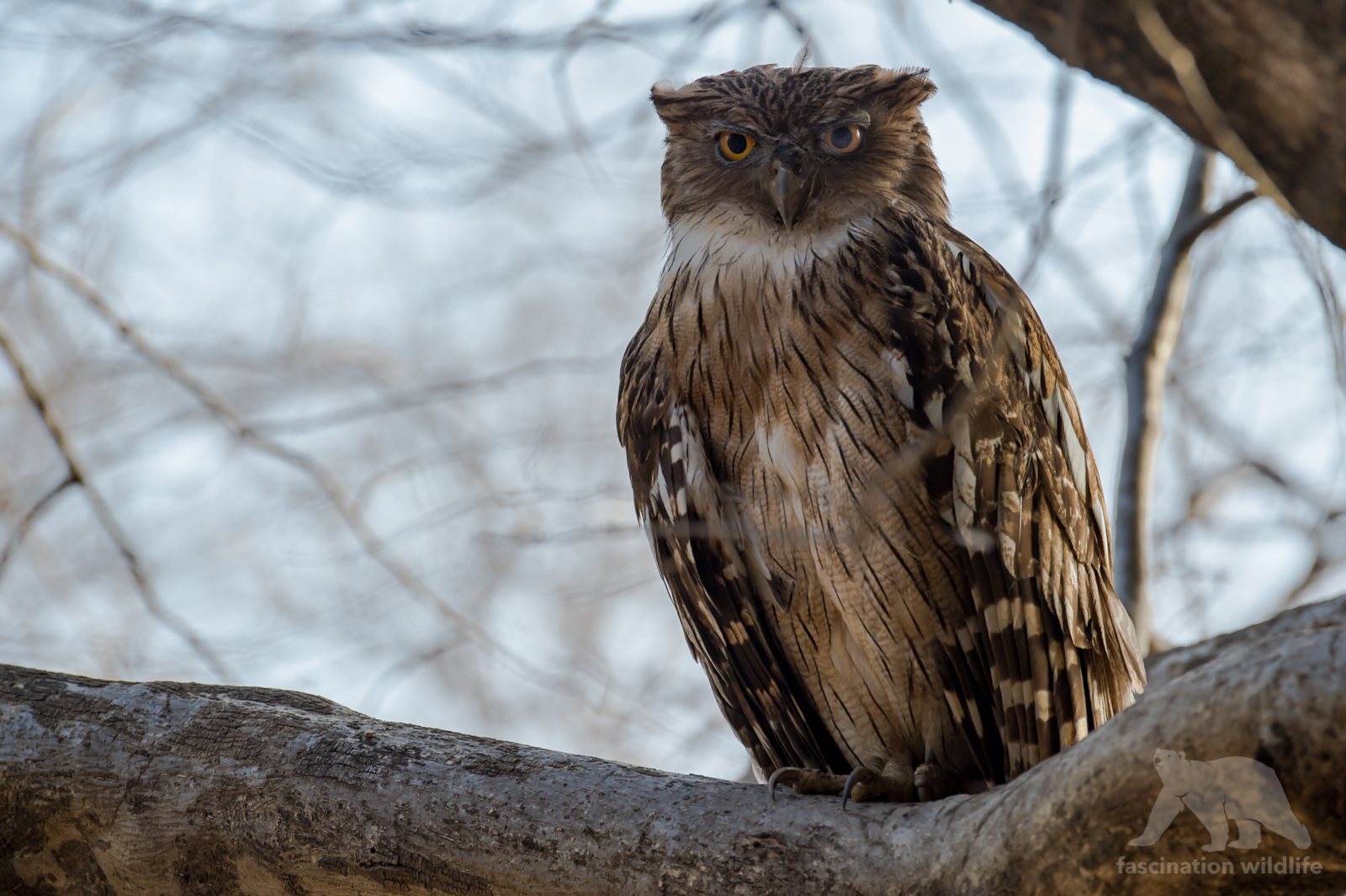
There is something undeniably magnetic about owls — those enigmatic, wide-eyed sentinels of the night. Across cultures and centuries, these birds have evoked a mystique that transcends mere admiration. They stir our collective imagination, casting a spell that intertwines the natural world with the labyrinthine corridors of human psychology. What is it about owls that seizes our fascination so profoundly? How do these nocturnal creatures, cloaked in feathered silence, hold a mirror to our deepest curiosities and fears? This exploration seeks to unravel the psychological tapestry woven by the presence of owls, promising a renewed perspective on our enigmatic bond with these creatures of the dusk.
The Archetypal Allure: Owls as Symbols in the Human Psyche
From the dawn of storytelling to contemporary media, owls have occupied a compelling space as archetypes within the human psyche. Their symbolic weight is manifold: harbingers of wisdom, omens of death, or guardians of the afterlife. This symbolic multiplicity fuels an innate intrigue. The owl’s nocturnal lifestyle and impenetrable gaze encapsulate the unknown — the shadow realm of consciousness. Psychologically, humans are drawn to symbols that represent the mysteries of existence, the liminal spaces where the conscious mind yields to subconscious depths.
Carl Jung, the seminal psychologist, described archetypes as universal, primordial images embedded in the collective unconscious. Owls, in their elusive quietude, embody the archetype of the “Wise Old Sage,” a figure that guides seekers through uncertainty. This association resonates deeply because it triggers a psychological yearning for clarity amidst life’s ambiguities. Our fascination with owls, then, is less about the bird itself and more about what it represents to our collective inner world.
Intelligence Personified: Cognitive Reflections of Owl Mystique
Human fascination intensifies when intellect intersects with enigma. Owls are often revered as paragons of wisdom, an attribution partly nourished by their remarkable cognitive traits. Their unblinking, forward-facing eyes symbolize perceptive acuity, inviting us to marvel at their ability to navigate darkness — both literally and metaphorically.
Psychologically, we project our highest ideals of intelligence onto these creatures. The owl’s precise hunting skills, silent flight, and acute sensory faculties echo human aspirations towards heightened awareness and mastery over our surroundings. This projection functions as a cognitive bridge, linking animal behavior with human consciousness. It is a narrative device that feeds our desire to find external representations of inner qualities. Every glance from an owl seems to challenge us to acknowledge our own capacity for insight and intuition.
The Nocturnal Enigma: Darkness and the Sublime
The night has always been a liminal space—a threshold where reality softens and the imagination awakens. Owls, as denizens of darkness, command attention through their association with the unknown. This affinity to the night stokes psychological ignition points related to fear, curiosity, and transcendence. The owl’s silhouette against the moonlight kindles a sublime experience — a blend of awe and trepidation that defies straightforward explanation.
In psychological terms, darkness represents the unconscious — the repository of repressed emotions, dreams, and archetypal imagery. Owls, as creatures perfectly adapted to this realm, become psychopomps, guiding us through the murky contours of our own shadow zones. Their silent flight parallels the elusive nature of subconscious truths. Engaging with the owl archetype invites a confrontation with the hidden facets of the self, prompting introspection and growth.
Fear, Superstition, and the Cultural Canvas
Fascination with owls is not unilaterally positive; it often intertwines with fear and superstition. Owls have been cast as ominous portents and agents of misfortune in various cultural narratives. This dualism in perception amplifies their psychological complexity — they are at once revered and feared, embodying the ambivalence humans hold toward the unknown.
Such ambivalence is critical from a psychological perspective because it highlights humanity’s struggle with uncertainty. Owls become symbols onto which we project collective anxieties, particularly around death and the afterlife. This projection fulfills a narrative function, enabling societies to process existential dread through myth and ritual. Far from being arbitrary, fear of owls is entwined with our evolutionary predisposition to interpret ambiguity as potential threat, demonstrating how psychology and folklore coalesce.
Owls as Mirrors for Human Identity and Transformation
The owl’s transformative symbolism is not confined to external mythology; it echoes profound psychological processes of identity and metamorphosis. In many traditions, the owl signifies a spiritual guide facilitating personal evolution. This archetypal role mirrors the internal psychological journey of individuation — the process of integrating disparate facets of the psyche into a coherent self.
The owl’s ability to see in darkness metaphorically represents the capacity to confront shadow elements within one’s identity. Such confrontation is essential for growth and self-awareness. The allure of owls, therefore, stems partly from their invitation to embark on this inner journey, transforming fear into empowerment. Owls ignite our imagination about what lies beyond immediate perception, daring us to embrace complexity and change.
The Modern Owl: Psychological Resonance in Contemporary Culture
In today’s world, owls continue to captivate the collective imagination, permeating literature, film, and even digital media. This persistence reveals a deep-seated psychological resonance that adapts to contemporary contexts. The owl’s image is frequently invoked to symbolize knowledge in educational branding, or mystery in thriller genres, underscoring its versatile symbolic power.
Moreover, the owl has become a totemic figure for mindfulness and introspection within modern spirituality. In an age saturated with information and distraction, the owl’s quiet vigilance embodies a call for presence and perceptive depth. This modern reinterpretation aligns with psychological notions of mindfulness and emotional intelligence, highlighting how ancient symbols evolve yet retain core psychological meanings.
Conclusion: A Rekindled Sense of Wonder Through the Owl’s Gaze
The human fascination with owls is an intricate dance of symbolism, intellect, and psychological inquiry. These birds do not merely share our skies; they inhabit the shadowy realms of our minds, reflecting fears, aspirations, and the inscrutable mysteries of existence. Encountering an owl moves us beyond the ordinary, inviting a shift in perspective that fractures complacency and ignites curiosity. It is through this encounter that the owl fulfills its greatest promise — to be not just an animal of the night, but a luminous guide into the depths of our own psychological landscape.