In the vast theater of the natural world, owls stand as enigmatic sentinels cloaked in mystery and silence. Their presence in grassland ecosystems is a testament to nature’s intricate design—a design now facing profound disruption. Grasslands, often overshadowed by more charismatic forests or wetlands, form an essential tapestry supporting an array of wildlife, including these nocturnal raptors. Yet, like whispered legends in a fading manuscript, the status of owls in these open plains reveals a sobering narrative marked by decline and uncertainty. This exploration delves into the precarious existence of grassland owls, unraveling the layers of habitat degradation, ecological importance, and the urgent need for stewardship.
The Whispering Guardians of the Grasslands
Owls are the ghosts of the grasslands, their muted wings and haunting calls weaving through the tall grasses at dusk. Unlike the predatory kings of dense forests, grassland owls have evolved with a distinct reliance on open spaces—where the undulating sea of grasses provides both camouflage and hunting grounds. These raptors are architectural marvels of natural selection, equipped with keen vision, near-silent flight, and an acute ability to sense the faintest rustlings. Species such as the Barn Owl, Short-eared Owl, and Burrowing Owl are quintessential players in this ecosystem, their survival intimately tied to the health of the grasslands themselves. They act as regulators, keeping rodent populations in balance and ensuring the intricate web of life remains intact.
Grasslands: The Vanishing Palimpsests of Biodiversity
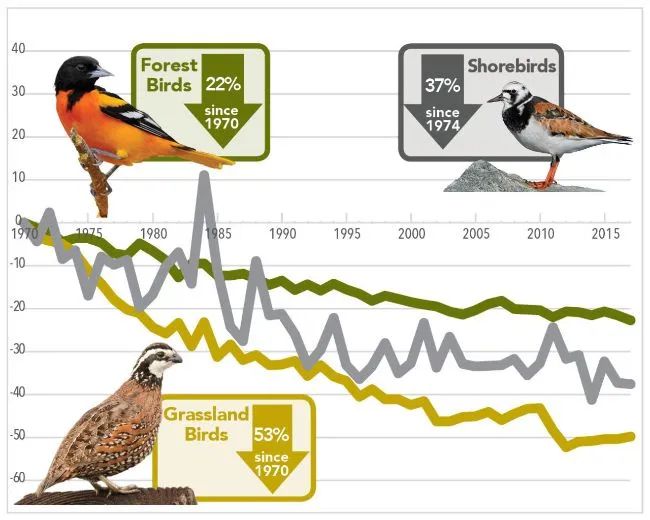
Grasslands are nature’s unsung palimpsests—historical manuscripts overwritten by agricultural expansion, urban sprawl, and industrial encroachment. What makes grasslands uniquely compelling—and precarious—is their vast expanses of herbaceous vegetation, a contrast to the towering arboreal realms. These landscapes harbor a specialized biota, dependent on wide, open, uninterrupted habitats. Yet, in the past century, these ecosystems have suffered dramatic shrinkage worldwide, with estimates suggesting that up to 70% of original North American grasslands have been transformed or degraded. The relentless conversion to cropland, introduction of non-native grasses, and widespread use of pesticides have shattered the delicate balance necessary for grassland owls to thrive. Each blade of grass lost dims the stage where owls perform their nightly ballet.
Ecological Roles: More Than Silent Hunters
Owls do not merely inhabit these landscapes; they sustain them. Their predation on small mammals such as voles, mice, and shrews is akin to nature’s own pest control—a biological bulwark against unchecked herbivore populations that could otherwise decimate grassland vegetation. This predatory relationship is vital in maintaining plant diversity and preventing overgrazing, which can lead to soil erosion and desertification. Furthermore, owls have a role as bioindicators; their population dynamics mirror the health of the grassland habitats. A decline in owl numbers often signals deeper ecological distress. Thus, they are both actors and harbingers—silent yet profound witnesses to environmental degradation.
Threats Encroaching the Quiet Domain
The decline of owls in grassland ecosystems is not solely a tale of habitat loss; it is also a saga of modern perils converging in an intricate web of challenges. Agricultural intensification brings mechanized harvesting, monocultures, and chemical exposure—each posing direct or indirect threats to owl species. Rodenticides, while targeting pests, often cause secondary poisoning of owls that feed on contaminated prey. The fragmentation of grasslands disrupts the continuity of the hunting grounds and increases exposure to predators and human disturbances. Moreover, climate change augments these pressures, altering prey availability in ways that owls struggle to adjust to. Night skies dimmed by light pollution further interfere with their hunting efficiency, transforming their natural rhythms into a dissonant symphony of challenge and survival.
Conservation: Resurrecting the Silent Sentinels
Efforts to safeguard grassland owls must embrace the holistic restoration of their habitats—the very canvas on which their existence is painted. Conservation is not merely about preserving patches of grass; it is about reconnecting landscapes, managing invasive species, and implementing sustainable agricultural practices that foster coexistence. Programs aimed at reducing pesticide use, maintaining native grass cover, and protecting nesting sites offer glimmers of hope. Additionally, public awareness campaigns illuminate the mystical allure of owls, transforming them from misunderstood phantoms into beloved icons of biodiversity. Through targeted research, habitat corridors, and community engagement, the ghostly silhouettes of grassland owls may yet continue to grace the twilight skies for generations to come.
The Unique Appeal of Grassland Owls
To witness a grassland owl is to glimpse a creature finely tuned to an ecosystem shaped by wind, sun, and whispering grasses. Their appeal lies not only in their ethereal beauty but also in their embodiment of wilderness within open spaces often overlooked by conservationists and nature enthusiasts alike. The haunting calls of the Short-eared Owl on a cool autumn night or the fleeting glimpse of a Burrowing Owl perched on a prairie dog mound evoke a profound sense of connection to the earth’s primal rhythms. They are emblematic of the wild heart of grasslands—a fragile yet resilient force that reminds us of nature’s enduring mysteries. Preserving their future is an invocation to honor landscapes that sustain life in subtle, extraordinary ways.
A Call to Embrace the Grassland Legacy
Owls in grassland ecosystems are more than just species struggling for survival—they are symbols of a vanishing world and calls to a deeper environmental consciousness. Their decline signals an ecological unraveling that reverberates beyond their silent wings. It demands attention, action, and a renewed commitment to protecting these vast open spaces where nature’s quiet drama unfolds each night. To preserve the symphony of owls in grasslands is to preserve an ancient dialogue between species and landscape, a story written in shadows and moonlight. It is a call to safeguard not only a habitat but the very soul of the grassland itself.