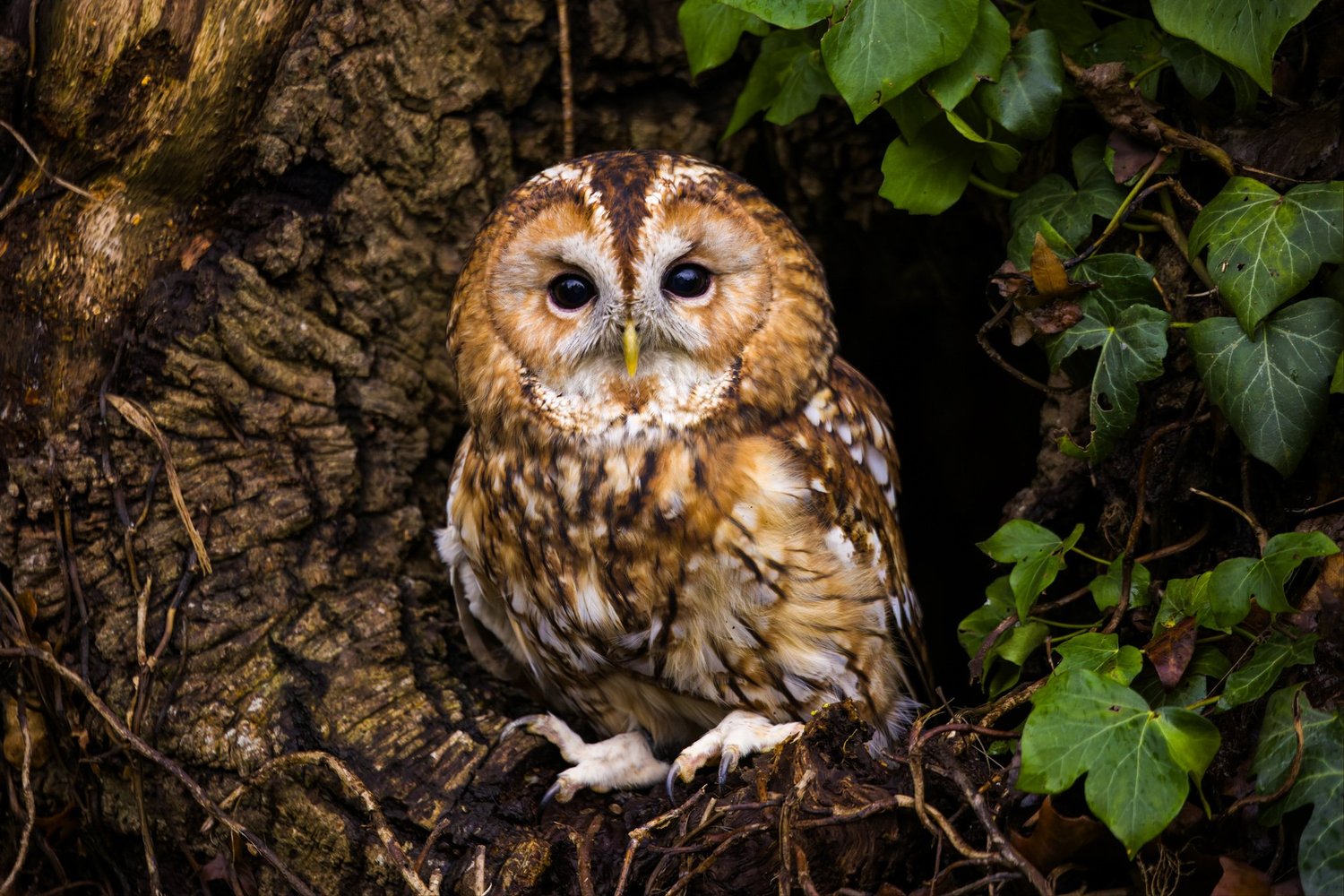
The silent sentinels of the night, owls, are among the most enigmatic and ecologically vital creatures on our planet. With their piercing gaze and feathered grace, they embody the delicate balance of nature. Yet, their existence is increasingly threatened by habitat destruction, climate change, and human encroachment. Advocating for stronger owl conservation laws isn’t just about protecting a species—it’s about preserving the intricate web of life that sustains us all. Whether you’re a nature enthusiast, a policy wonk, or someone who simply marvels at the hoot of an owl on a moonlit night, there are countless ways to champion their cause. From grassroots activism to legislative lobbying, the fight for owl conservation is as diverse as the birds themselves.
The Plight of Owls: Why Their Survival Demands Urgent Action
Owls are not merely charismatic creatures; they are keystone species, meaning their presence—or absence—ripples through entire ecosystems. The loss of a single owl species can trigger a cascade of ecological disruptions, from rodent overpopulation to the decline of plant species that rely on seed dispersal. Habitat fragmentation, driven by deforestation and urban sprawl, has left many owl populations isolated and vulnerable. Climate change further exacerbates their plight, altering prey availability and nesting grounds. The barn owl, for instance, faces declining numbers in regions where agricultural intensification has eradicated hedgerows and old barns—its traditional hunting grounds and roosting sites. Without intervention, these silent hunters could vanish from landscapes they’ve occupied for millennia.
Understanding the Legal Landscape: Where Conservation Laws Fall Short
The current patchwork of wildlife protection laws often lacks the teeth needed to address the complexities of owl conservation. The Migratory Bird Treaty Act, while a cornerstone of avian protection, does not cover all owl species, leaving some critically endangered owls without federal safeguards. State-level regulations vary widely, with some regions offering robust protections while others lag behind. Even where laws exist, enforcement is frequently underfunded, allowing illegal logging, pesticide use, and habitat destruction to proceed unchecked. The absence of standardized protections for owl nesting sites—a critical factor in their survival—leaves many species at the mercy of developers and landowners. To turn the tide, advocates must push for legislation that closes these loopholes, mandates habitat preservation, and imposes stricter penalties for violations.
Grassroots Activism: How Local Efforts Can Spark National Change
Change often begins at the grassroots level, where passionate individuals can mobilize communities to protect owl habitats. Organizing local awareness campaigns, such as owl-watching events or educational workshops in schools, can foster a deeper appreciation for these birds. Citizen science initiatives, like nest monitoring programs, empower volunteers to collect data that informs conservation strategies. Collaborating with land trusts and conservation groups can also amplify efforts to secure protected areas for owls. In rural communities, partnering with farmers to adopt owl-friendly practices—such as maintaining buffer zones around fields or installing nest boxes—can mitigate conflicts between agriculture and wildlife. The key is to make owl conservation a visible, tangible cause that resonates with people’s daily lives.
Lobbying for Policy Reform: Strategies to Influence Legislators
Legislators respond to pressure, and advocates can wield significant influence by engaging with policymakers at every level. Writing to representatives, attending town halls, and testifying at hearings are powerful ways to voice concerns about owl conservation. Joining or forming advocacy coalitions can also strengthen collective bargaining power, as unified voices carry more weight than individual pleas. When lobbying, focus on data-driven arguments, highlighting the economic and ecological benefits of owl conservation—such as reduced pest control costs or enhanced biodiversity. Proposing specific policy changes, such as tax incentives for landowners who preserve owl habitats or stricter penalties for habitat destruction, can provide legislators with clear, actionable steps. Persistence is crucial; change rarely happens overnight, but sustained advocacy can yield lasting results.
Corporate Accountability: Holding Industries Responsible for Habitat Destruction
Industrial activities, from logging to mining, are among the greatest threats to owl habitats. Advocates must hold corporations accountable by demanding sustainable practices and transparent environmental impact assessments. Public pressure can drive companies to adopt owl-friendly policies, such as reforestation initiatives or reduced pesticide use. Investors and consumers also play a role—supporting businesses with strong environmental credentials and divesting from those that contribute to habitat destruction sends a clear message. Additionally, legal challenges can force industries to comply with conservation laws, as seen in cases where courts have halted destructive projects to protect endangered species. The goal is to create a corporate culture where ecological stewardship is not just encouraged but expected.
Educational Outreach: Inspiring the Next Generation of Conservationists
Education is the bedrock of long-term conservation success. Schools, museums, and nature centers can integrate owl conservation into their curricula, teaching students about the ecological roles of owls and the threats they face. Interactive exhibits, such as owl encounters or virtual reality simulations of habitat loss, can make the issue tangible and memorable. Social media campaigns, featuring striking owl photography and compelling storytelling, can reach younger audiences who are more likely to engage with digital content. By fostering a sense of wonder and responsibility toward owls, educators can cultivate a new generation of advocates who will carry the torch for conservation into the future.
International Collaboration: Protecting Owls Across Borders
Owls know no boundaries, and neither should conservation efforts. Many owl species migrate across continents, requiring coordinated international action to ensure their survival. Collaborating with global organizations, such as the International Union for Conservation of Nature (IUCN), can help standardize protections and share best practices. Cross-border initiatives, like the establishment of protected corridors for migratory owls, can address threats that transcend national borders. Additionally, supporting international treaties and agreements, such as the Convention on Biological Diversity, can strengthen legal frameworks for owl conservation worldwide. The fight for owls is a global one, and success depends on unity and shared purpose.
Innovative Solutions: Technology and Science in Owl Conservation
Advancements in technology are revolutionizing owl conservation, offering new tools to monitor populations, track habitats, and combat threats. GPS tracking devices, for example, provide invaluable data on owl movements and nesting habits, informing habitat protection strategies. Drones equipped with thermal imaging can survey remote areas for owl nests, reducing the need for invasive fieldwork. Artificial intelligence is also being used to analyze vast datasets, identifying patterns in owl behavior and predicting areas at risk of habitat loss. Meanwhile, genetic research is helping conservationists understand the diversity of owl populations, ensuring that breeding programs and habitat restoration efforts are as effective as possible. By embracing innovation, advocates can stay one step ahead of the challenges facing owls.
Personal Advocacy: Small Actions with Big Impact
Not everyone has the time or resources to lead a national campaign, but even small actions can contribute to the larger movement. Planting native vegetation in your backyard can create a haven for owls and their prey. Reducing light pollution—especially at night—can help owls navigate their hunting grounds more effectively. Supporting wildlife rehabilitation centers that care for injured owls ensures that these birds have a second chance at survival. Even something as simple as sharing owl conservation content on social media can raise awareness and inspire others to take action. Every gesture, no matter how modest, adds to the collective effort to protect these magnificent birds.
The fight for stronger owl conservation laws is a testament to our commitment to coexisting with the natural world. Owls are not just symbols of wisdom—they are living, breathing threads in the fabric of life, and their survival is intertwined with our own. By advocating for change, whether through policy, education, or personal action, we honor their legacy and secure a future where their haunting calls continue to echo through the night.