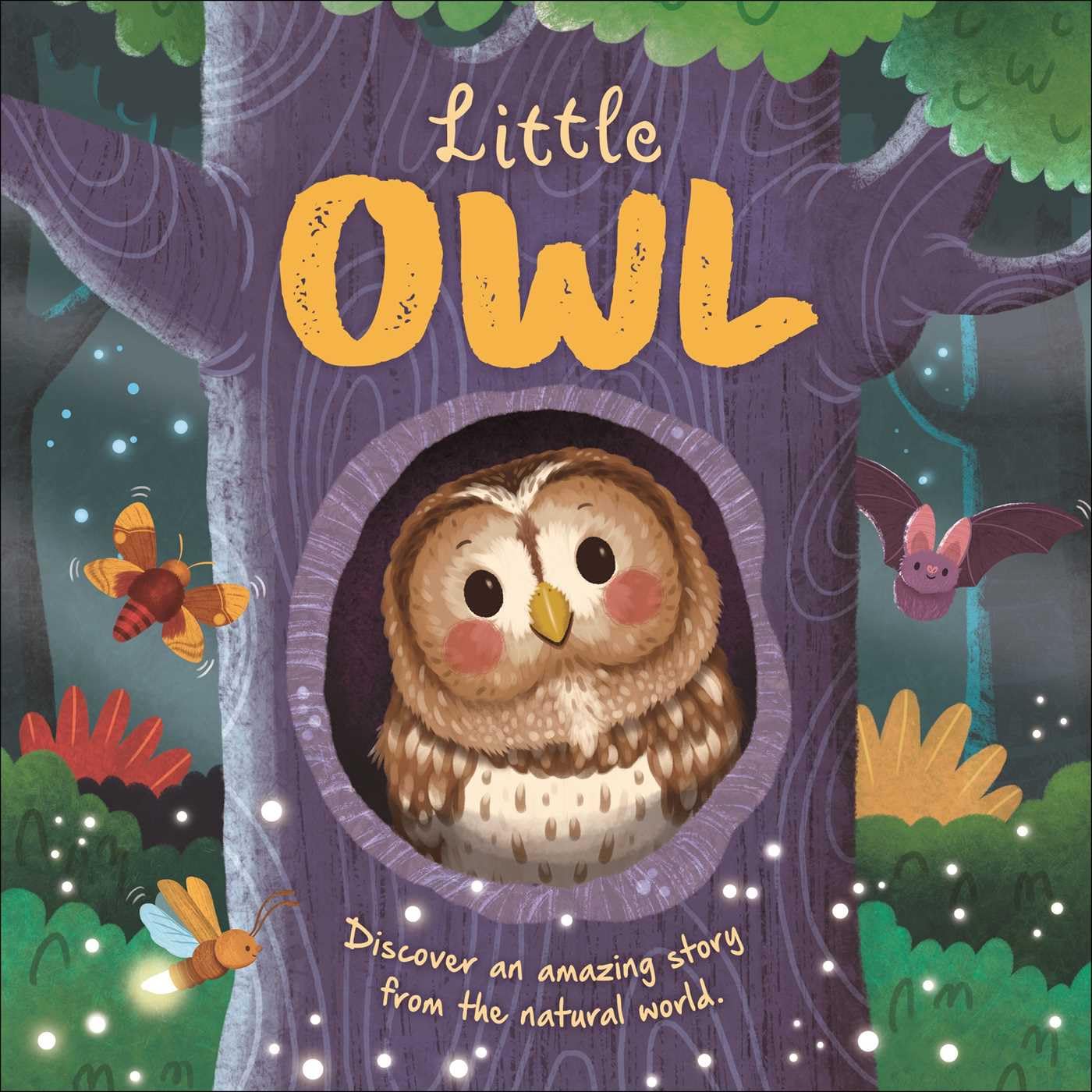
In the hushed embrace of twilight, where the veil between worlds grows thin, the owl takes flight—not merely as a bird, but as a living parable, a whisperer of secrets, a keeper of forgotten tongues. Across continents and centuries, the owl has soared through the annals of human imagination, its silhouette etched into myths, its hoots echoing through legends like a siren’s call to the unknown. These nocturnal sentinels are not mere creatures of the night; they are storytellers, philosophers, and sometimes, ominous harbingers, their presence woven into the very fabric of cultural identity. From the wisdom-laden perches of Athena’s sacred owl in Greek lore to the trickster guffaws of the Native American thunderbird’s kin, the owl’s tale is as diverse as the landscapes it inhabits. To explore owl stories and legends is to embark on a journey through the human psyche, where fear and reverence intertwine like the roots of an ancient tree.
The Owl as Oracle: A Beacon of Foresight and Hidden Knowledge
Few creatures have been as intimately tied to the art of divination as the owl. In the cradle of civilization, the Greeks revered the little owl (*Athene noctua*) as the emblem of Athena, goddess of wisdom, strategy, and warfare. To glimpse an owl was to receive a benediction from the divine, a silent nod from the goddess herself. The Romans, ever pragmatic, adopted this symbolism, embedding the owl into their coins and military standards as a talisman of clairvoyance. Yet, this association was not without its shadows. In medieval Europe, the owl’s nocturnal habits and eerie gaze transformed it into a harbinger of doom, a creature of ill omen that foretold death or misfortune. This duality—wisdom and warning—speaks to the owl’s unique role as a mirror to human fears and aspirations. It is the bird that peers into the abyss, not with terror, but with an unblinking gaze that demands we confront what lies beneath the surface.
The Native American traditions offer a more nuanced portrayal. Among the Lakota, the owl is a messenger between the earthly realm and the spirit world, its hoots carrying the voices of ancestors. The Hopi see it as a guardian of the dead, its presence a reminder of the cyclical nature of existence. Here, the owl is neither wholly benevolent nor malevolent but a neutral conduit, a feathered intermediary in the grand tapestry of life and death. This role as an oracle extends to the Celtic lands, where the owl was linked to the Otherworld, a creature of the *sidhe* (fairies) that could guide or mislead travelers lost in the mist. The owl’s ability to navigate the dark with such precision makes it the perfect metaphor for the human quest for understanding—our desperate need to illuminate the unknown, even when the path is fraught with uncertainty.

The Trickster’s Wing: Owls in Folklore and Subversion
Not all owl legends sing of wisdom or prophecy. In many traditions, the owl is a cunning trickster, a feathered jester who delights in confounding human expectations. The Aesopian fables of ancient Greece cast the owl as a symbol of folly, its solemn demeanor a foil to the cleverness of other animals. Yet, in the oral traditions of Africa, the owl often plays the role of the cunning underdog. Among the Yoruba people of Nigeria, the owl is associated with *Eshu*, the trickster deity who thrives in chaos and ambiguity. Here, the owl’s nocturnal nature becomes a metaphor for the subversive, the unseen forces that upend order when least expected. Its silent flight is not just a physical marvel but a reminder that truth often emerges from the shadows, where it is least anticipated.
In Japanese folklore, the *fukurō* (owl) is both revered and reviled. The *Bake-danuki*, a shape-shifting tanuki (raccoon dog), is said to take the form of an owl to play pranks on unsuspecting humans. Yet, the owl also appears in the *Kojiki*, Japan’s oldest chronicle, as a creature of divine origin, a messenger of the gods. This duality reflects the Japanese concept of *mono no aware*—the pathos of things—where beauty and menace coexist in a delicate balance. The owl, in this context, becomes a symbol of life’s inherent contradictions, a creature that embodies both the joy of discovery and the dread of the unknown. Its trickster role is not merely comedic; it is a philosophical statement on the fluidity of reality, where nothing is as it seems.
The Owl as Guardian: Protector of the Sacred and the Mundane
Beyond its roles as oracle and trickster, the owl is often cast as a guardian, a silent sentinel watching over sacred spaces and hidden truths. In Hindu mythology, the owl is the *vahana* (vehicle) of Lakshmi, the goddess of wealth and prosperity. Yet, it is also linked to *Shani*, the god of misfortune, whose owl companion embodies the duality of fortune’s fleeting nature. This guardianship extends to the natural world, where the owl’s predatory prowess makes it a natural regulator of ecosystems. The barn owl, with its ghostly white plumage, is often seen as a protector of farms, its presence deterring pests and ensuring bountiful harvests. In this light, the owl is not just a creature of myth but a vital thread in the web of life, its survival intertwined with our own.
The owl’s role as a guardian is perhaps most vividly illustrated in the traditions of the Arctic Inuit. Here, the snowy owl is a symbol of resilience, its white feathers blending seamlessly with the endless winter landscape. The Inuit believe that the owl’s keen eyesight allows it to see through the blinding snowstorms, guiding lost travelers to safety. This association with protection and guidance is echoed in the Celtic *druidic* traditions, where the owl was believed to guard sacred groves and hidden knowledge. The owl’s ability to see in the dark—both literally and metaphorically—makes it the perfect guardian of secrets, a creature that watches over the thresholds between worlds, ensuring that only the worthy may pass.
The Owl in Modern Mythmaking: From Literature to Pop Culture
The owl’s mythic resonance has not faded with time; if anything, it has evolved, adapting to the modern world’s hunger for symbolism and storytelling. In J.K. Rowling’s *Harry Potter* series, the snowy owl *Hedwig* becomes a symbol of loyalty and companionship, her hoots a soundtrack to the hero’s journey. Yet, the owl’s role is not without its darker undertones—Rowling also imbues owls with an almost eerie prescience, their presence foreshadowing danger or revelation. This duality reflects the owl’s timeless appeal: it is both a comforting presence and a harbinger of change, a creature that embodies the duality of human experience.
In the realm of art and literature, the owl has been reimagined as a muse for surrealists and symbolists alike. The works of Franz Marc, with their vibrant, almost hallucinatory colors, often feature owls as creatures of spiritual awakening. Meanwhile, the poetry of Edgar Allan Poe’s *The Raven*—though not an owl, its themes of loss and prophecy resonate with owl symbolism—captures the bird’s ability to haunt the human imagination. Even in contemporary media, the owl’s silhouette appears in everything from corporate logos (think of the wise old owl in children’s books) to horror films, where its eerie call signals impending doom. This modern mythmaking underscores the owl’s unique appeal: it is a chameleon, shifting its meaning to reflect the fears, hopes, and curiosities of each era.
The Owl’s Timeless Appeal: Why We Are Drawn to Its Tale
What is it about the owl that captivates us so? Perhaps it is the bird’s paradoxical nature—its ability to embody both wisdom and mystery, protection and peril. The owl is the ultimate liminal creature, existing in the twilight between day and night, life and death, knowledge and ignorance. It is a symbol of the human condition itself, a reminder that we are both seekers and keepers of secrets, navigators of the dark and the light. In a world that often feels fragmented, the owl’s cohesive presence—its silent flight, its unblinking gaze—offers a sense of continuity, a thread that connects us to the ancient stories that have shaped our collective unconscious.
Moreover, the owl’s appeal lies in its mystery. Unlike other animals, which are often reduced to their utility or symbolism, the owl remains elusive, its true nature always just out of reach. This elusiveness is what makes it such a potent metaphor. The owl does not reveal its secrets easily; it demands patience, intuition, and a willingness to embrace the unknown. In an age where information is abundant but meaning is scarce, the owl’s lesson is a timely one: true wisdom is not found in the glare of the spotlight but in the quiet corners where the light does not reach. It is a call to look deeper, to listen harder, and to accept that some truths are best whispered, not shouted.
As the night deepens and the world grows still, the owl takes to the skies once more, its wings cutting through the darkness like a blade through silk. It is a creature of paradox, a storyteller without words, a guardian of thresholds. And in its silent flight, it reminds us that the most profound tales are not those we tell, but those we feel—the ones that resonate in the hollow of our bones, the ones that make us believe, if only for a moment, that the world is far stranger, and far more beautiful, than we ever imagined.