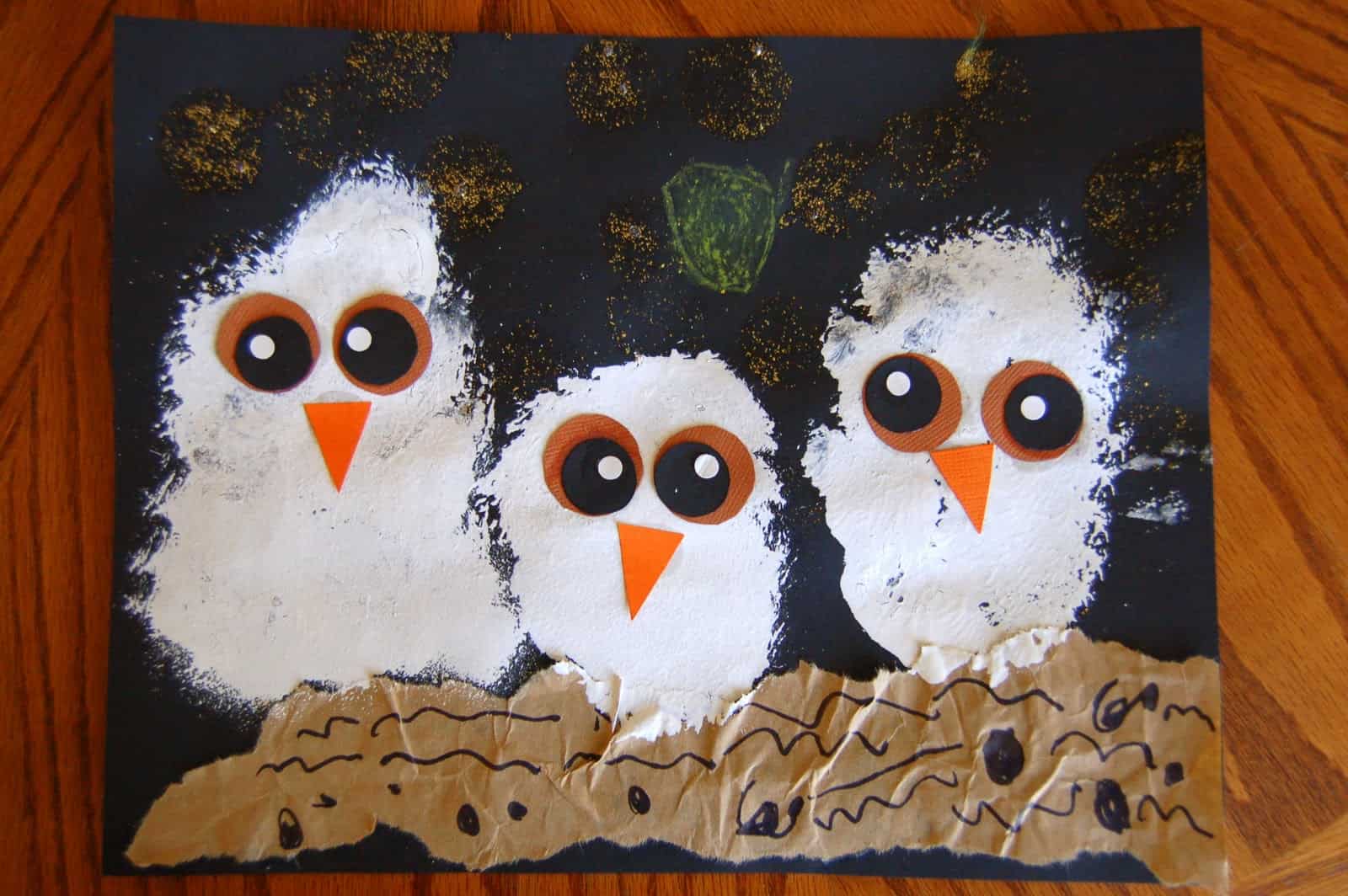
The wise old owl, with its luminous eyes and silent wings, has long captivated the human imagination. Children, in particular, are drawn to these enigmatic creatures, their fascination often rooted in the owl’s nocturnal mystique and the gentle wisdom it seems to embody. Yet beyond the allure of fairy tales and storybooks lies a deeper connection—one that can be nurtured through creativity. Owl crafts for kids are more than just playful activities; they are gateways to understanding the natural world, fostering conservation awareness, and instilling a lifelong reverence for wildlife. These projects blend artistry with education, turning craft time into a lesson on ecology, habitat preservation, and the delicate balance of ecosystems. Whether through upcycled materials or nature-inspired designs, each creation becomes a tangible reminder of our role in protecting the creatures that share our planet.
The Allure of Owls: Why Kids Are So Fascinated by These Nocturnal Birds
There’s something inherently mesmerizing about owls. Their large, reflective eyes seem to hold secrets of the night, while their silent flight evokes a sense of stealth and mystery. For children, owls embody a paradox—both gentle and powerful, familiar yet elusive. This duality sparks curiosity, making them a perfect subject for creative exploration. Psychologists suggest that children’s fascination with owls may stem from an innate attraction to animals that thrive in the shadows, a realm where imagination runs wild. Unlike diurnal creatures, owls operate in a world of twilight, where rules feel different, and possibilities seem endless. By engaging with owl-themed crafts, kids not only indulge their creative impulses but also begin to unravel the deeper ecological roles these birds play—from pest control to seed dispersal. This dual engagement—art and science—creates a holistic learning experience that resonates deeply.
Eco-Conscious Crafting: Using Recycled Materials to Build Owl Habitats
One of the most impactful ways to merge art with conservation is by repurposing discarded materials into owl-inspired creations. A simple cardboard tube can transform into a perching owl, its tufted “ears” crafted from scrap fabric or dried leaves. Empty egg cartons become clusters of baby owls, their tiny beaks painted with care. These projects teach children the value of upcycling, demonstrating how waste can be reimagined into something beautiful and functional. Moreover, parents and educators can use these crafts to discuss the importance of reducing landfill waste and protecting natural habitats where owls nest. By giving old materials new life, kids learn that conservation isn’t just about preserving the wild—it’s also about rethinking our daily habits. Each glued-on feather or painted beak becomes a small but meaningful act of environmental stewardship.
Nature’s Palette: Crafting Owls with Foraged and Organic Elements
For a more immersive experience, children can venture outdoors to gather materials for their owl crafts. Twigs, acorns, and pinecones serve as the perfect foundation for a rustic owl sculpture, while fallen leaves and dried grasses add texture and depth. This approach not only connects kids to the natural world but also highlights the interconnectedness of ecosystems. An owl crafted from twigs, for instance, mirrors the bird’s reliance on trees for shelter and hunting. Educators can expand on this by discussing how deforestation disrupts owl populations, emphasizing the need to protect green spaces. The tactile nature of working with organic materials also enhances fine motor skills and sensory development, making the crafting process as enriching as the final product. Whether assembled on a forest floor or a kitchen table, these nature-based owls become symbols of harmony between art and the environment.
Storytelling Through Craft: Fostering Empathy for Wildlife
Crafts are a powerful medium for storytelling, and owl-themed projects offer a unique opportunity to weave narratives about conservation. A child might create an owl family from clay, each member representing a different species facing habitat threats. As they mold the figures, they can invent backstories—perhaps one owl struggles to find food due to urban sprawl, while another thrives in a protected forest. These imaginative scenarios help kids develop empathy, placing them in the “feathers” of the creatures they’re crafting. Parents and teachers can facilitate discussions about real-world challenges, such as habitat loss or pesticide use, and brainstorm solutions together. By externalizing these concerns through art, children process complex emotions and cultivate a sense of responsibility toward wildlife. The owl, in this context, becomes more than a craft—it’s a storyteller, a teacher, and a silent advocate for the natural world.
Science Meets Art: Educational Extensions for Owl Crafts
The magic of owl crafts lies in their ability to transcend mere decoration. With a few strategic additions, these projects can double as educational tools. A paper owl with movable wings, for example, can be paired with a lesson on aerodynamics, explaining how owls achieve silent flight. A diorama featuring an owl in its habitat might include labels for different ecosystems, from dense forests to open meadows. For older children, crafts can delve into anatomy—constructing an owl skeleton from recycled materials or designing a life-sized owl mask to study facial adaptations. These extensions transform craft time into a multidisciplinary experience, blending art, science, and conservation. By integrating factual elements, kids gain a deeper appreciation for owls as living creatures rather than just mythical symbols. The result is a richer, more nuanced understanding of the natural world.
Community and Conservation: Group Crafts for Collective Impact
Owl crafts take on a new dimension when they become a collaborative effort. Schools, libraries, and community centers can organize group projects where children work together to create a “conservation mural” or a series of owl sculptures representing local wildlife. These initiatives foster teamwork while amplifying the message of habitat protection. For instance, a school might host an “Owl Awareness Week,” where students craft owls from recycled materials and display them in a public space, accompanied by informational posters about owl conservation. The collective effort not only raises awareness but also strengthens community bonds. Children learn that their actions—no matter how small—can contribute to a larger movement. Whether through a classroom display or a neighborhood art installation, these crafts become a visual testament to the power of collective creativity and environmental advocacy.
Beyond the Craft: Turning Awareness into Action
The ultimate goal of owl-themed crafts is to inspire real-world action. Parents and educators can guide children in translating their newfound knowledge into tangible conservation efforts. This might involve creating birdhouses to support local owl populations, planting native trees to restore habitats, or even organizing a neighborhood clean-up to reduce pollution. The crafts themselves can serve as a catalyst for these initiatives—perhaps a child’s painted owl becomes the mascot for a school fundraiser for a wildlife sanctuary. By connecting art to activism, kids learn that creativity isn’t just about self-expression; it’s a tool for change. The owl, once a symbol of mystery, now represents possibility—a reminder that even the smallest hands can make a difference in the fight to protect our planet’s precious wildlife.